
The transition to electric mobility has introduced a new and pivotal metric of vehicle health: battery state. For used electric vehicles (EVs), the high-voltage battery pack is not just a fuel tank; it is the single most valuable and complex component, defining the car's range, performance, and long-term viability. Assessing its condition requires moving beyond traditional used-car evaluation to a specialized understanding of electrochemistry, usage patterns, and thermal management systems, turning battery health into the central pillar of a prudent purchase decision.
The transition to electric mobility has introduced a new and pivotal metric of vehicle health: battery state. For used electric vehicles (EVs), the high-voltage battery pack is not just a fuel tank; it is the single most valuable and complex component, defining the car's range, performance, and long-term viability. Assessing its condition requires moving beyond traditional used-car evaluation to a specialized understanding of electrochemistry, usage patterns, and thermal management systems, turning battery health into the central pillar of a prudent purchase decision.
The Science and Stressors of Battery Degradation
All lithium-ion batteries experience gradual capacity loss over time and use, a process influenced by a confluence of chemical, environmental, and usage factors. Understanding this degradation is key to setting realistic expectations.
Chemical and Usage-Based Capacity Loss
Battery degradation factors are both intrinsic and extrinsic. Intrinsically, lithium-ion cells degrade through two primary mechanisms: the growth of a Solid Electrolyte Interphase (SEI) layer on the anode, which consumes active lithium ions, and the gradual breakdown of the cathode's crystal structure. These processes occur even with ideal care. Extrinsically, three usage factors dramatically accelerate this natural aging. High States of Charge (SoC) maintained for extended periods, especially above 80%, increase chemical stress on the cathode. Frequent Deep Discharge Cycles, regularly draining the battery to very low levels (e.g., below 20%), strain the anode. Most critically, exposure to Elevated Temperatures, whether from ambient climate, fast charging, or high-performance driving, exponentially accelerates all degradation mechanisms. A battery's history with these stressors is a stronger indicator of its future health than its calendar age alone.
The Lasting Legacy of Charging Behavior
The charging history impact on a used EV's battery is profound and often irreversible. The most significant impact comes from consistent use of Direct Current Fast Charging (DCFC). While immensely convenient, DCFC forces high electrical currents into the battery, generating substantial heat and increasing internal resistance over time. A vehicle whose primary charging history is from a Level 2 home charger will typically show slower degradation than an identical model used for frequent long-distance travel reliant on DCFC networks. Furthermore, the previous owner's charging habits matter. Was the car routinely charged to 100% and left plugged in for days? Or was it typically charged to a manufacturer-recommended 80% daily limit? While this data is not always accessible, evidence of conscientious ownership can be a positive indicator. The vehicle's own telematics and onboard diagnostics may store charge cycle data that a specialist can interpret.
Practical Implications for Performance and Cost
The tangible effects of battery degradation directly impact the driving experience and the financial calculus of ownership. Buyers must translate technical metrics into real-world expectations.
Translating Battery Health to Driving Range
Managing range expectation reality is the most important practical consideration. A new EV's advertised range is an EPA-estimated figure under specific test conditions. A used EV's real-world range is determined by its current battery capacity. For example, an EV originally rated for 250 miles with a battery now at 85% of its original capacity will have a realistic maximum range of approximately 212 miles, further reduced by driving style, weather, and use of climate control. When evaluating a used EV, the key metric is the battery's "State of Health" (SoH), often expressed as a percentage. This should be verified during a test drive, either through the vehicle's own display (if available) or by using an OBD-II scanner with EV-specific software. Understanding this SoH in the context of your daily needs is essential; a 70% SoH may be perfectly adequate for a city commuter but untenable for someone requiring regular long trips.
The Financial Specter of Battery Replacement
The most significant replacement cost risk in EV ownership is the potential need for a new high-voltage battery pack. While modern packs are designed to last the life of the vehicle, catastrophic failure or extreme degradation can necessitate replacement, a procedure costing several thousand to over fifteen thousand dollars, often exceeding the residual value of an older used EV. This risk underscores the necessity of a thorough pre-purchase battery health assessment. It also makes understanding the remaining battery warranty absolutely critical. Most manufacturers offer a longer warranty on the battery (e.g., 8 years/100,000 miles with a minimum capacity retention guarantee, often 70%) than on the rest of the vehicle. A used EV with substantial remaining battery warranty coverage offers invaluable financial protection and peace of mind, significantly de-risking the purchase.
Proactive Assessment and Strategic Ownership
Successfully integrating a used EV into your life requires a specialized evaluation strategy and a forward-looking ownership plan tailored to preserving battery health.
Evaluating Thermal Management and System Integrity
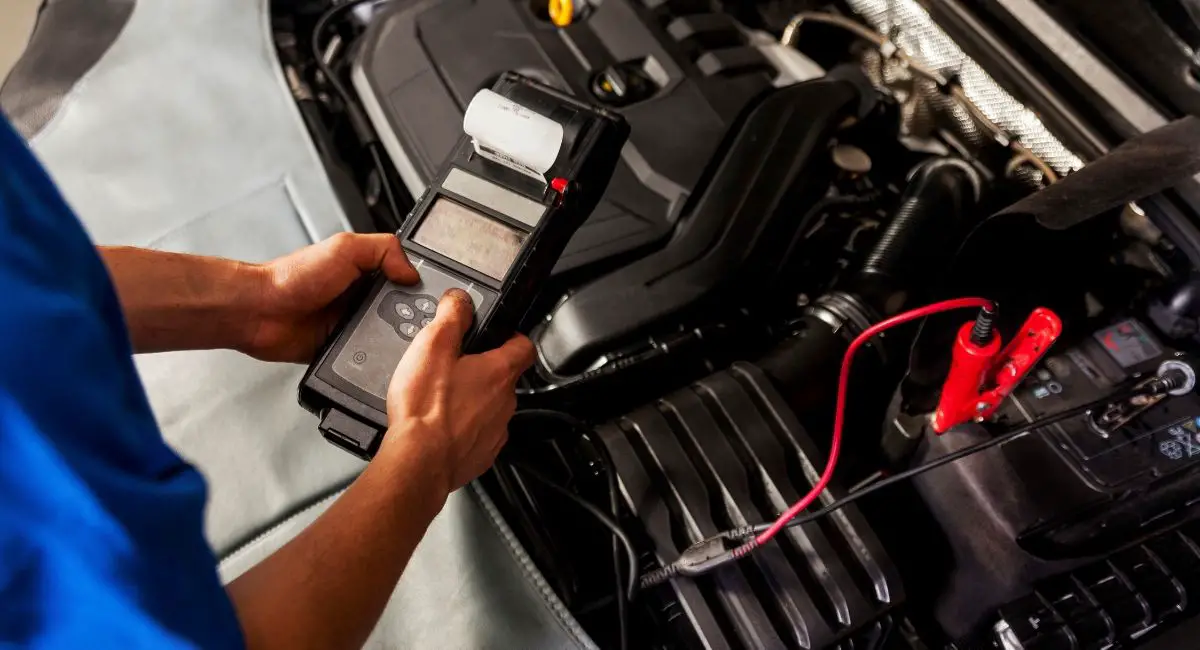
Beyond simple capacity, the integrity of the battery thermal management system (BTMS) is paramount. This system of coolant loops, pumps, and heat exchangers keeps the battery within its optimal temperature window. A compromised BTMS can lead to accelerated degradation or safety issues. During a pre-purchase inspection by an EV-certified technician, this system should be checked for leaks, proper pump operation, and cooling performance. The technician should also scan for any historical or pending diagnostic trouble codes (DTCs) related to the battery management system (BMS), cell voltage imbalances, or insulation faults. These checks can reveal latent issues not apparent in a simple SoH reading. Evidence of poor thermal management issues in the car's past, such as extensive use in very hot climates without adequate cooling, should be a major consideration.
Developing an EV-Specific Ownership Strategy
Informed ownership planning for a used EV involves adopting habits that preserve battery longevity. Plan your charging strategy: use Level 2 charging for daily needs, reserving DCFC for necessary travel. Avoid routinely charging to 100%; set the vehicle's charge limit to 80-90% for daily use. In very hot or cold climates, park in a garage or shade when possible to minimize temperature extremes. Furthermore, plan your financial strategy around the battery's lifecycle. Budget for the possibility of eventual, though not imminent, capacity loss. If the vehicle is nearing the end of its battery warranty, factor the potential cost of degradation into your offer price. Choose a model known for robust battery durability based on long-term reliability data from owner communities and industry studies. This proactive approach transforms you from a passive owner into a steward of the vehicle's most critical and expensive asset.
Q&A
Q: What are the main factors that cause an EV battery to degrade?
A: Key battery degradation factors include time and usage cycles, consistently charging to 100%, frequent deep discharges, extensive use of fast charging, and prolonged exposure to high temperatures. These stressors accelerate the chemical aging process within the lithium-ion cells.
Q: How can I find out about a used EV's charging history?
A: Direct, detailed history is often hard to get. However, you can look for indirect charging history impact clues. Ask the seller about their habits. Check the vehicle's trip computer for average energy consumption, which can hint at driving style. Most importantly, a specialist using an OBD-II scanner can often pull detailed battery data logs, including charge cycle counts and historical state-of-charge ranges, providing a technical snapshot of its past.
Q: What is a realistic range expectation for a 3–5-year-old electric car?
A: Range expectation reality varies by model and use, but a well-cared-for battery may retain 90-95% of its original capacity after 3 years and 85-90% after 5 years. For a car originally rated at 200 miles, expect 180-190 miles after 3 years. Always verify the battery's State of Health (SoH) percentage, which directly translates to your available range, and remember real-world conditions further reduce this number.
Q: How much does it cost to replace an EV battery, and is it a common need?
A: Replacement cost risk is high but the event is uncommon for newer models. A full pack replacement can cost from $5,000 to over $20,000, depending on the vehicle. It is not a common failure for batteries under 8-10 years old, but extreme degradation can necessitate it. This makes a strong remaining manufacturer's battery warranty the most important feature when buying a used EV.
Q: Why is thermal management so important for an EV battery's health?
A: Lithium-ion batteries degrade fastest when too hot or too cold. A robust thermal management system actively cools or heats the pack to keep it in an optimal, narrow temperature range. This prevents damage during fast charging, maintains performance in extreme weather, and most importantly, slows long-term degradation. A faulty thermal system is a serious issue that can rapidly destroy battery health.