
Choosing the perfect vehicle involves weighing different needs and lifestyles, particularly when deciding between two popular options. With distinct advantages in visibility and agility, these vehicles cater to varied preferences. This decision becomes a delicate balancing act for those seeking versatility and function in everyday travels.
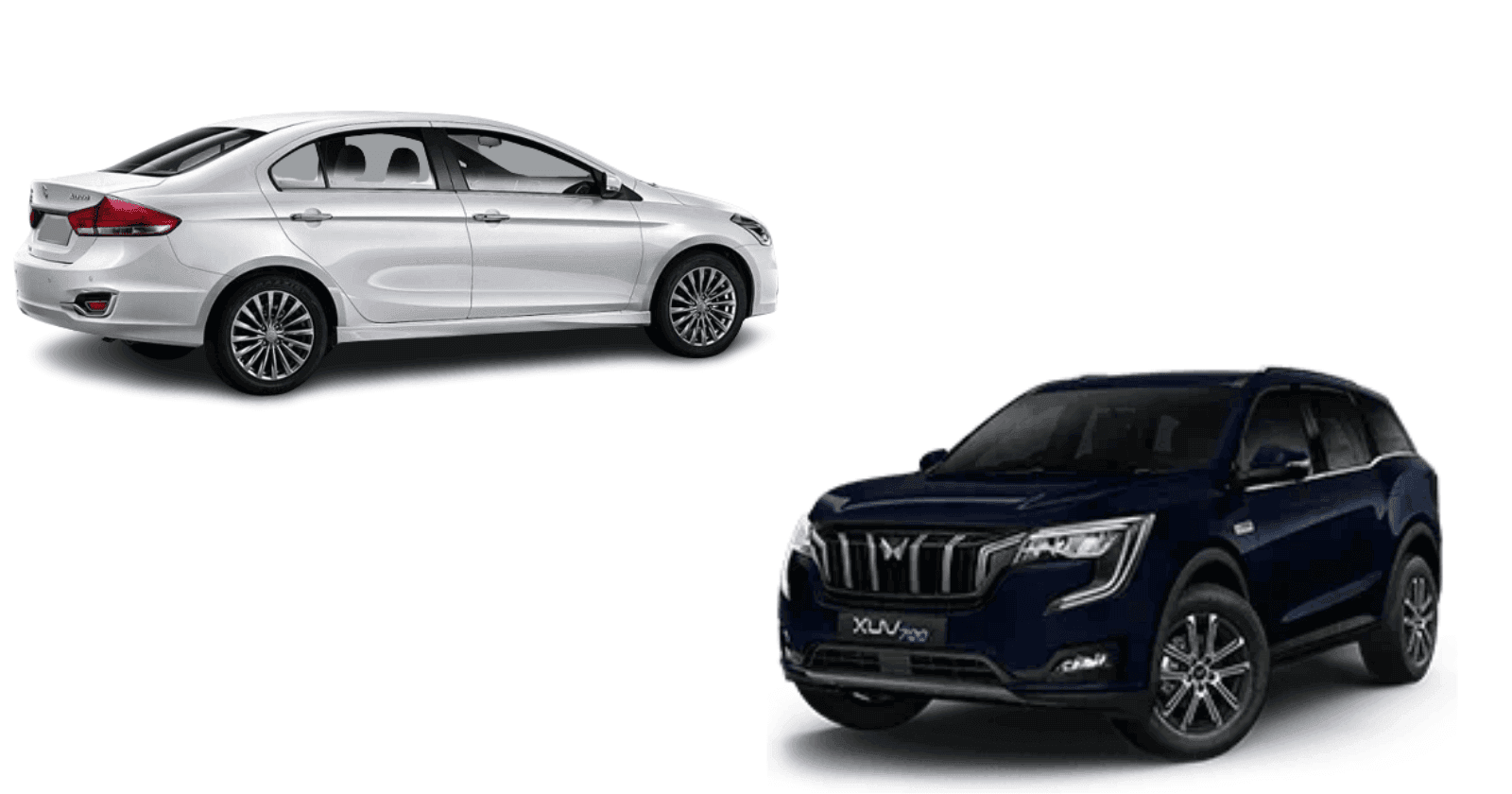
Choosing the perfect vehicle involves weighing different needs and lifestyles, particularly when deciding between two popular options. With distinct advantages in visibility and agility, these vehicles cater to varied preferences. This decision becomes a delicate balancing act for those seeking versatility and function in everyday travels.
The Perspective from the Driver’s Seat
Elevation and Situational Awareness
When you first slide behind the wheel, the most immediate and tangible difference is where your eyes rest relative to the road. High-riding vehicles offer what is often called a "command position." This elevated eye point does more than just make the driver feel taller; it provides a functional advantage in traffic. Being able to see over the roof of the car in front allows a driver to anticipate braking zones, spot road debris, or notice congestion building up blocks away. This ability to scan the horizon rather than staring at a bumper contributes significantly to a feeling of confidence and reduced stress during chaotic city commutes.
Agility and the Connection to the Tarmac
In contrast, the traditional low-profile layout offers a completely different, yet equally compelling, driving experience. By sitting closer to the ground, the driver feels more connected to the road surface. This lower center of gravity is not merely a specification on a technical sheet; it is the defining factor in how the vehicle behaves when physics takes over. When entering a sharp curve or executing a quick lane change on the highway, a lower vehicle naturally resists body roll. It feels planted, stable, and precise, often described as driving "on rails" rather than floating above the road.
For those who view driving as a pleasure rather than a chore, this stability is paramount. The suspension does not need to be as stiff to control a tall heavy body, allowing for a ride that is often smoother over minor road imperfections while remaining responsive to steering inputs. Furthermore, the aerodynamic profile of a lower vehicle cuts through the air more efficiently. This results in less wind noise entering the cabin at high speeds, creating a quieter, more refined environment. While it lacks the "tower" view of its taller counterparts, the trade-off is a driving dynamic that feels safer and more controlled during emergency maneuvers. The sensation of being "cocooned" in the cockpit provides a psychological sense of security and speed that appeals to drivers who prioritize handling dynamics over vertical dominance.
Interior Dynamics and Everyday Utility
Cabin Atmosphere and Passenger Experience
The internal architecture of a vehicle dictates how passengers interact with the space. In taller vehicles, the cabin feels airy and expansive. The vertical space means ample headroom, even for tall passengers, and creates an environment that feels less confining on long trips. This layout is particularly advantageous for families with young children; the height of the rear seats makes installing bulky child safety seats or buckling in a toddler significantly easier, saving parents from constant back strain. The sense of openness is often amplified by panoramic sunroofs and large windows, turning the journey into a scenic tour.
Conversely, the traditional three-box design focuses on a different kind of luxury: isolation and posture. The seating position in these cars allows passengers to stretch their legs out forward rather than sitting upright as if in a dining chair. This ergonomic difference can be less fatiguing for adults on cross-country road trips. Additionally, the separation of the cargo area from the passenger cabin is a critical feature for comfort. Because the trunk is a distinct, enclosed space, road noise from the rear tires is significantly muffled before it reaches the passengers. This separation also allows for better climate control efficiency, as the air conditioning system doesn't have to cool the cargo area, keeping the passenger zone at an optimal temperature with less energy.
| Feature | High-Profile Layout (Vertical) | Low-Profile Layout (Horizontal) |
|---|---|---|
| Primary Seating Posture | Upright, chair-like seating; easier entry/exit for reduced mobility. | Reclined, leg-extended posture; distinct "cockpit" feel. |
| Cargo Accessibility | Large rear gate; ideal for bulky/tall items; flat loading floor. | Secure, separate trunk; hides valuables; isolates odors/noise. |
| Cabin Environment | Open, airy, and maximizes headroom; shared air with cargo. | Quiet, insulated, and private; distinct separation from luggage. |
| Child Seat Utility | Excellent; waist-level access prevents bending. | Moderate; requires bending down to secure belts. |
Cargo Solutions for Different Lives
When discussing utility, raw volume numbers often mislead buyers. The true test of practicality is the shape of the space and how it aligns with your specific lifestyle. The hatchback style of taller vehicles offers superior versatility for uneven or oversized loads. If you need to transport a piece of furniture, camping gear, or a large dog crate, the ability to fold the seats down and utilize the full vertical height of the cabin is unmatched. The wide aperture of the rear gate means you are rarely restricted by the size of the opening, making these vehicles the undisputed champions of weekend adventures and hardware store runs.
Assessing Performance and Financial Value
The Efficiency Equation and Engineering
For years, the general rule was simple: if you wanted to save money on fuel, you bought the lower, lighter car. While technology has blurred these lines, the laws of physics still apply. Modern engineering has gifted taller vehicles with hybrid powertrains and aerodynamic tweaks that were unimaginable a decade ago, narrowing the fuel economy gap significantly. It is now common to find compact utility vehicles that rival their lower counterparts in city driving efficiency. Manufacturers have poured resources into making these popular models as green as possible, realizing that buyers want space without the penalty at the pump.
However, on the highway, the natural advantage returns to the sleeker shape. A vehicle with a smaller frontal area pushes less air, requiring less energy to maintain speed. Over thousands of miles, this aerodynamic efficiency translates into tangible savings. Furthermore, weight plays a crucial role in "stop-and-go" traffic. Even with similar engines, the heavier frame required to support a taller, larger vehicle demands more energy to accelerate from a standstill. For high-mileage commuters, the traditional aerodynamic shape remains the king of efficiency. Yet, for those facing snow, mud, or unpaved driveways, the trade-off is often worth it. The availability of robust all-wheel-drive systems and higher ground clearance in taller models provides a "go-anywhere" capability that purely efficient cars cannot match, offering peace of mind that often outweighs a slight dip in MPG.
Understanding Long-Term Financial Impact
The financial reality of vehicle ownership extends far beyond the sticker price. In the current market, the immense popularity of utility vehicles has created a "popularity tax." These models often command a higher initial purchase price compared to their sedan equivalents, even when sharing the same underlying platform and engine. Because demand is high, dealerships are less likely to offer deep discounts, and inventory moves quickly. Conversely, because the market has shifted away from traditional cars, savvy buyers can often find incredible value in the sedan segment, getting more features, luxury, and performance for every dollar spent.
Maintenance costs also tend to diverge over time. Larger vehicles typically require larger tires, which are more expensive to replace. Insurance premiums can also vary, sometimes favoring the heavier vehicle for safety ratings, but other times penalizing it for potential repair costs. However, resale value is a critical factor where the utility vehicle often wins; they tend to depreciate slower because the demand for used models remains high. When calculating the total cost of ownership, a buyer must calculate the initial premium against the eventual resale return. If the goal is strictly minimizing monthly outflows and maximizing feature content right now, the traditional low-slung car is the pragmatic economic winner. If the goal is asset retention and all-weather capability, the extra upfront cost of the larger vehicle may be justified as a long-term investment.
| Consideration | Utility/Adventure Focus | Commuter/Economy Focus |
|---|---|---|
| Initial Purchase Price | Generally higher; fewer incentives due to high demand. | Often lower; excellent "value for money" proposition. |
| Fuel Economy | Competitive in hybrids, but suffers at highway speeds due to drag. | Superior aerodynamics maximize MPG, especially on highways. |
| Tire & Maintenance | Larger tires and heavier components can increase running costs. | Standard sizes and lighter weight often mean lower upkeep. |
| Resale Value | Typically holds value well; easy to resell. | Depreciates faster, but lower entry price offsets this. |
Q&A
What are the main differences in driving position between SUVs and sedans?
SUVs typically offer a higher driving position compared to sedans, providing drivers with better visibility of the road and surrounding traffic. This elevated position is often preferred by those who value a commanding view and easier access to the vehicle. Sedans, on the other hand, have a lower driving position which may appeal to those who prefer a more car-like feel and closer connection to the road.How do interior space and comfort compare between SUVs and sedans?
SUVs generally provide more interior space, particularly in terms of headroom and legroom, making them a popular choice for families and those who frequently travel with passengers or cargo. The larger cabin space can contribute to a more comfortable ride. Sedans might offer less space but often compensate with a more aerodynamic design and may include features focused on comfort and luxury.In terms of fuel consumption, how do SUVs and sedans differ?
Sedans usually have better fuel efficiency compared to SUVs due to their lighter weight and more aerodynamic shape. This makes them an economical choice for those who prioritize lower fuel costs. Conversely, SUVs, especially those with larger engines, tend to consume more fuel, though advancements in hybrid and electric technologies are helping to narrow this gap.What handling differences can be expected between SUVs and sedans?
Sedans typically offer superior handling due to their lower center of gravity, which allows for more precise and stable maneuvering. This can be particularly noticeable in tight turns or at higher speeds. SUVs, while generally more versatile in various terrains and weather conditions, may exhibit more body roll and less agility compared to sedans.What are the practical tradeoffs and buyer preferences when choosing between an SUV and a sedan?
Buyers often choose SUVs for their versatility, spacious interiors, and higher driving position, which are advantageous for families and outdoor enthusiasts. However, the tradeoff may include higher fuel consumption and potentially higher purchase prices. Sedans are preferred for their fuel efficiency, handling, and typically lower cost, making them ideal for urban commuters or those seeking a traditional driving experience. The choice ultimately depends on individual lifestyle needs and priorities.