
Embarking on the journey of selecting the perfect roof for your open-air vehicle invites a fascinating exploration of various design solutions. Choices in this realm reflect a delicate equilibrium between aesthetics, functionality, and practicality, inviting enthusiasts to weigh innovative configurations and classic allure in the quest for ideal alfresco experiences.
Embarking on the journey of selecting the perfect roof for your open-air vehicle invites a fascinating exploration of various design solutions. Choices in this realm reflect a delicate equilibrium between aesthetics, functionality, and practicality, inviting enthusiasts to weigh innovative configurations and classic allure in the quest for ideal alfresco experiences.
The Aesthetic and Dynamic Divide
The Enduring Charm of Fabric Designs
For many automotive purists, the traditional fabric roof remains the definitive soul of open-top motoring. There is a distinct, classic elegance found in canvas soft tops that rigid materials simply cannot replicate. This design choice offers a unique textural contrast against the metal bodywork, allowing owners to express personal style through color combinations—such as a tan roof on a British racing green body or a deep red top accenting a silver exterior. This visual distinction ensures that even when the roof is raised, the vehicle maintains a sporty, adventurous demeanor that separates it from standard sedans or coupes.
Beyond mere aesthetics, the structural advantages of fabric and vinyl soft tops are significant for driving dynamics. Because these materials are inherently lighter than metal and glass, they contribute to a lower center of gravity. This reduction in top-heavy weight translates to sharper handling and more responsive cornering, a critical factor for sports car enthusiasts who prioritize the driving experience over absolute isolation. Furthermore, the simplicity of the folding mechanism often means that soft tops consume less trunk space when retracted compared to their solid counterparts.
Modern engineering has also addressed many of the historical complaints regarding these roofs. Contemporary "ragtops" often feature multi-layered construction with advanced insulation materials. This evolution means that the wind noise and temperature fluctuations once associated with fabric roofs have been drastically reduced, offering a cabin environment that is surprisingly quiet and climate-controlled, bridging the gap between nostalgic style and modern comfort.
The Engineering Marvel of Automated Rigid Roofs
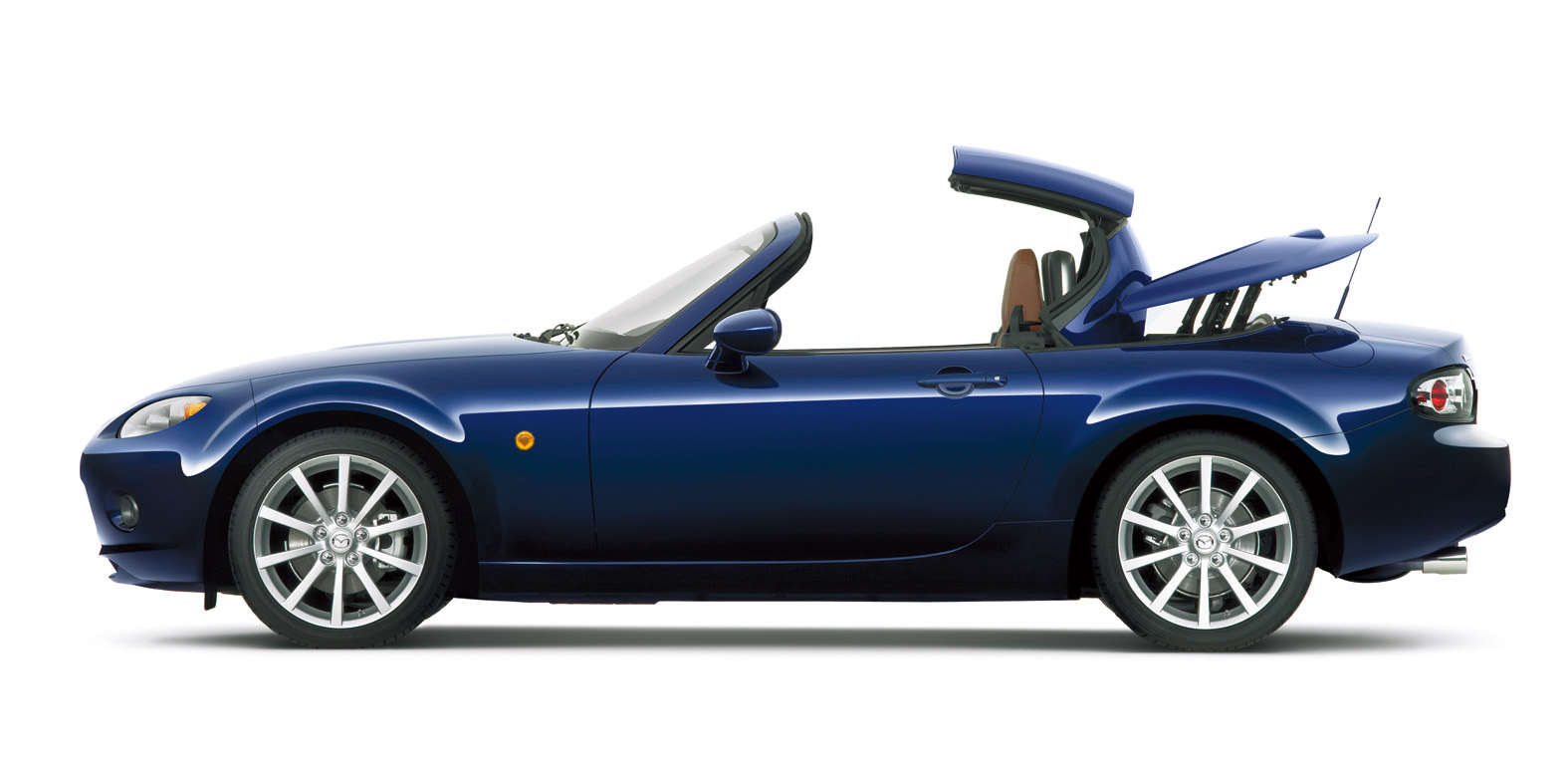
On the other side of the spectrum lies the engineering sophistication of retractable hard tops. This configuration offers a transformative experience, effectively giving the owner two cars in one: a secure, weather-tight coupe for the daily commute and an open-air cruiser for the weekend. The primary appeal here is the seamless integration of the roofline. When closed, these vehicles exhibit the sleek, uninterrupted silhouette of a fixed-roof coupe, often making it difficult for onlookers to distinguish them from standard models. This provides a level of visual solidity and aerodynamic efficiency that appeals to those who value a clean, modern aesthetic.
The benefits of a solid roof extend well beyond looks. In terms of security and urban practicality, the rigid barrier offers superior protection against theft and vandalism compared to fabric options. For drivers in colder climates or those who frequent noisy highways, the acoustic and thermal insulation provided by metal or composite panels is unmatched. The sensation of isolation from the outside world when the roof is up is nearly identical to a standard luxury car, making it an excellent choice for a primary vehicle that must serve in all weather conditions.
However, this sophistication comes with trade-offs. The complex mechanical linkages, hydraulic pumps, and electric motors required to fold a solid roof add significant weight to the vehicle, often raising the center of gravity and slightly dulling agility. Additionally, the folded panels are bulky, frequently occupying a large portion of the trunk space and limiting luggage capacity when the sun is out.
| Feature Category | Fabric & Vinyl Roofs | Automated Rigid Roofs |
|---|---|---|
| Primary Aesthetic | Classic, textured contrast, sporty | Sleek, seamless, coupe-like silhouette |
| Driving Dynamics | Lightweight, lower center of gravity | Heavier, slightly higher center of gravity |
| Cargo Efficiency | Minimal trunk intrusion when folded | Significant reduction in trunk space |
| Cabin Environment | distinct road connection, improved insulation | Near-total isolation, superior quietness |
| Security Perception | Vulnerable to sharp objects | High security, similar to fixed-roof cars |
Practicality, Maintenance, and Lifestyle Fit
Ownership Realities and Long-Term Care
The decision between different roofing systems often comes down to how much effort an owner is willing to invest in maintenance. Fabric roofs, while technologically advanced, require a specific care regimen to maintain their appearance and water resistance. Ultraviolet rays and environmental pollutants can cause fading or degradation over time. Owners of canvas soft tops must regularly apply protectants and waterproofing agents to prevent the material from absorbing water or developing mold. While vinyl soft tops are generally easier to wipe down, they can crack over time if exposed to extreme temperature fluctuations without proper conditioning.
Conversely, the maintenance of retractable hard tops shifts from cosmetic care to mechanical preservation. The roof panels themselves are durable and painted like the rest of the body, requiring no special cleaning. However, the "ballet" of the retraction mechanism involves numerous sensors, hinges, and seals. Rubber weatherstripping must be lubricated to prevent leaks and squeaks, and the hydraulic systems can be costly to repair if they fail. A failure in a complex automated system can leave the roof stuck in a half-open position, a scenario that is less likely with the simpler manual or electric mechanisms of soft tops.
For those considering detachable hard tops—often found on rugged off-roaders—storage becomes a logistical challenge. Unlike retractable systems that stow within the car, completely removing a rigid roof requires a garage or storage space to keep the panels safe while driving. This demands a lifestyle where the transition to open-air driving is a planned event rather than a spontaneous decision made at a stoplight.
Exploring Modular and Partial Openings
Beyond the binary choice of full convertibles, there exists a middle ground that appeals to a specific subset of drivers: the Targa top and other modular configurations. These designs offer a compromise, removing the section of the roof directly above the passengers while leaving a roll bar or rear glass structure intact. This style provides the sensory delight of the wind and sun without the total exposure of a full convertible. It significantly retains the structural rigidity of the chassis, offering a planted and secure driving feel that is often superior to fully open models.
This category also includes the rugged, adventurous designs seen on modern off-road vehicles. Here, the focus shifts from speed and elegance to utility and immersion. Drivers can opt for detachable hard tops that break down into manageable panels, or durable canvas sections that slide back electronically. These designs are less about the "coupe profile" and more about removing barriers between the occupants and the wilderness. The ability to strip a vehicle down—sometimes removing doors and rear windows alongside the roof—creates an unparalleled connection to the environment.
Choosing the right style ultimately serves as a reflection of how the vehicle fits into one’s life. If the priority is a secure, quiet commute with occasional sun seeking, the rigid automated systems are superior. If the goal is a raw, nostalgic connection to the road with minimal weight, fabric is the answer. For the adventurer or the design-conscious driver who values structure, modular panels offer a compelling third path.
| Lifestyle Profile | Recommended Configuration | Why It Fits |
|---|---|---|
| The Daily Commuter | Automated Rigid Roof | Prioritizes security, noise isolation, and weather protection for year-round use. |
| The Track Enthusiast | Lightweight Fabric / Vinyl | Focuses on weight reduction and low center of gravity for optimal handling. |
| The Adventure Seeker | Modular / Detachable Panels | Offers durability and flexibility for off-road environments; parts can be replaced easily. |
| The Design Purist | Targa / Partial Roof | Maintains chassis lines and structural rigidity while offering open-air freedom. |
| The Classic Collector | Traditional Canvas | Values the heritage aesthetic and the tactile quality of premium textile materials. |
The Interior as an Exterior Element
An often-overlooked aspect of choosing an open-top vehicle is the role of the interior design. When the roof is retracted or removed, the cabin becomes an integral part of the vehicle's exterior silhouette. Manufacturers of premium convertibles pay meticulous attention to this, ensuring that the lines of the dashboard flow seamlessly into the door panels and rear deck. The choice of roofing system impacts how much of this interior is exposed and how it is framed.
With retractable hard tops, the bulky mechanism often dictates a higher rear decklid to accommodate the folded panels. This can sometimes create a "hunchback" appearance and limit rearward visibility, but it also creates a cocoon-like cockpit that feels secure and high-tech. In contrast, soft tops usually fold flatter, preserving the classic long-deck profile and offering better over-the-shoulder visibility.
Furthermore, the choice of materials inside must align with the type of roof. Vehicles with manual detachable hard tops or basic soft tops are more exposed to the elements during the transition. Therefore, UV-resistant leathers and waterproof materials are crucial. Advanced features like neck-level heating systems and ventilated seats have become essential in extending the open-air driving season, allowing owners to enjoy their canvas or rigid roof convertibles even when the temperature drops. Ultimately, the harmony between the roof’s operation and the cabin’s presentation defines the luxury and usability of the machine.
Q&A
What are the main advantages of retractable hard tops compared to other convertible tops?
Retractable hard tops offer several advantages, including better insulation and noise reduction compared to soft tops. They provide improved security as the hard material is more resistant to break-ins. Additionally, they offer a sleeker appearance and better aerodynamics, which can enhance the vehicle's performance and fuel efficiency.
How do detachable hard tops differ from retractable hard tops in terms of usability?
Detachable hard tops are typically removed and stored manually, which can be less convenient compared to retractable hard tops that automatically fold into the trunk with the push of a button. While detachable hard tops offer similar benefits in terms of security and insulation, they require more storage space and effort to remove and install.
What are the benefits and drawbacks of canvas soft tops for convertibles?
Canvas soft tops are lightweight and easy to operate, often with manual or simple electronic mechanisms. They are typically more affordable than hard tops and can provide a classic convertible aesthetic. However, they may not offer the same level of insulation or noise reduction, and they can be more susceptible to wear and tear from weather exposure.
In what scenarios might a vinyl soft top be preferable over a canvas soft top?
Vinyl soft tops are known for their durability and resistance to weather conditions, making them a good choice for environments with heavy rainfall or harsh sun. They are generally easier to clean and maintain than canvas tops. However, they might not offer the same aesthetic appeal or flexibility in design that canvas soft tops provide.
What is a Targa top, and how does it compare to other convertible roof options?
A Targa top is a semi-convertible car roof design that features a removable panel between the windshield and the rear window, often accompanied by a roll bar. This design provides a blend of the open-air experience of a convertible with the structural integrity and security of a hardtop. It is especially popular among sports cars for maintaining rigidity while allowing open-air driving. However, the removal and storage of the panel can be less convenient compared to fully retractable systems.