
Convertible and coupe cars deliver distinct ownership experiences shaped by roof design, structural engineering, cabin atmosphere, styling priorities, and practical compromises, influencing how drivers balance enjoyment, usability, and personal preference.
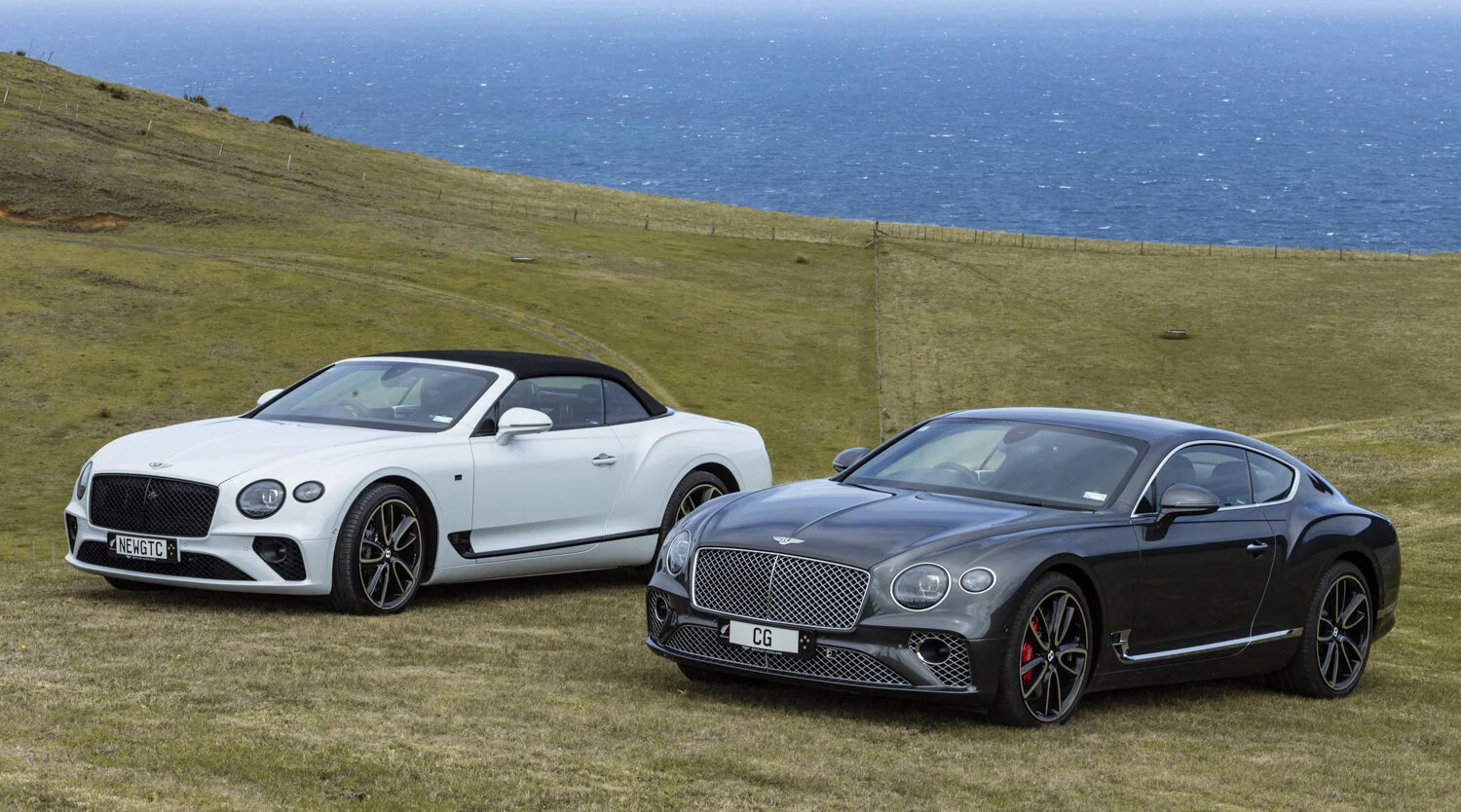
Convertible and coupe cars deliver distinct ownership experiences shaped by roof design, structural engineering, cabin atmosphere, styling priorities, and practical compromises, influencing how drivers balance enjoyment, usability, and personal preference.
Understanding the Core Difference
Roof Design as the Defining Factor
The most fundamental difference between a convertible and a coupe lies in the roof. A coupe features a fixed roof that is permanently integrated into the body structure, creating a sealed cabin environment at all times. A convertible, by contrast, offers a retractable roof that allows drivers to alternate between enclosed and open-top driving.
This single design distinction has wide-ranging effects. It influences vehicle structure, weight distribution, sound insulation, and even how the car feels on the road. While both body styles can share similar platforms, the presence or absence of a fixed roof shapes the entire ownership experience.
Understanding this difference helps buyers evaluate what kind of interaction they want with their vehicle.
Two Interpretations of Personal Driving
Coupes and convertibles reflect two different philosophies of driving enjoyment. Coupes emphasize focus, containment, and a controlled environment. Convertibles emphasize openness, immersion, and sensory connection.
Neither approach is inherently superior. Instead, each caters to different emotional and practical priorities. Some drivers prefer the sense of isolation and refinement a coupe provides, while others value the freedom and atmosphere of open-top driving.
These contrasting interpretations form the basis of the buyer’s decision.
Driving Experience on the Road
Engagement and Sensory Feedback
Driving a convertible often feels more immersive. With the roof open, drivers experience wind flow, ambient sounds, and changing surroundings directly. This heightened sensory feedback can make even routine drives feel engaging and memorable.
A coupe offers a more contained experience. The fixed roof creates a controlled cabin where external influences are filtered. Road noise is dampened, and the driving environment feels more focused and composed.
The choice between these experiences depends on whether a driver prioritizes immersion or isolation.
Perceived Performance and Pace
Convertibles can make driving feel more dynamic, even at moderate speeds, because sensations are amplified. The perception of speed often increases due to open airflow and sound exposure.
Coupes, on the other hand, tend to feel more planted and composed at higher speeds. The rigid structure contributes to a sense of stability, which can encourage confident, sustained driving.
These differences affect how drivers emotionally interpret performance rather than how the vehicle actually performs.
Structural Differences and Engineering Impact
Body Rigidity and Design Solutions
A fixed roof plays a major role in vehicle rigidity. Coupes naturally benefit from a continuous structure that resists twisting forces. This rigidity supports precise handling and predictable behavior.
Convertibles must compensate for the absence of a fixed roof. Engineers reinforce the body through strengthened frames, side structures, and underbody components. These solutions preserve safety and handling but add complexity to the design.
The structural approach directly influences weight, balance, and overall feel.
How Structure Influences Driving Feel
In a coupe, the solid roof contributes to a tight, unified sensation. Steering response and chassis feedback often feel direct and consistent.
Convertibles may feel slightly different due to added reinforcements and roof mechanisms. Some drivers notice a softer or more relaxed character, which aligns well with open-top cruising.
Structural differences do not imply compromise but rather shape the vehicle’s personality.
Cabin Noise and Acoustic Environment
Quiet Isolation in a Coupe
Coupes generally provide superior noise insulation. The fixed roof allows for more effective soundproofing, reducing wind noise and external disturbances.
This quiet environment enhances long-distance comfort and supports focused driving. Conversations, audio systems, and cabin calm are easier to maintain.
For drivers who value tranquility, this controlled acoustic setting is a major advantage.
Variable Soundscape in a Convertible
Convertibles offer a dynamic acoustic experience. With the roof closed, modern designs provide respectable insulation. With the roof open, the cabin becomes part of the surrounding environment.
Wind noise, ambient sounds, and engine tones are more prominent. Many owners view this variability as a benefit rather than a drawback.
The choice comes down to whether a driver prefers consistency or adaptability in cabin atmosphere.
Styling Preferences and Visual Identity
The Clean Lines of a Coupe
Coupes are often admired for their uninterrupted rooflines and cohesive proportions. The fixed roof allows designers to emphasize sleek silhouettes and strong visual flow.
This design approach often conveys sportiness, elegance, or sophistication. For some buyers, the visual purity of a coupe is a decisive factor.
Styling consistency is one of the coupe’s strongest appeals.
The Dual Personality of a Convertible
Convertibles must look appealing in two configurations: roof up and roof down. This dual requirement adds complexity but also creates visual versatility.
With the roof closed, a convertible resembles a coupe. With the roof open, it transforms into a more expressive and lifestyle-oriented vehicle.
This ability to change character is central to the convertible’s appeal.
Practicality Tradeoffs in Daily Use
Weather and Environmental Adaptability
Coupes offer predictable protection from weather at all times. Drivers do not need to consider roof operation or changing conditions during daily use.
Convertibles provide flexibility but require awareness of weather. Modern systems make roof operation simple, yet open-top driving remains situational.
Drivers must decide whether flexibility or predictability better suits their routine.
Cargo Space and Interior Considerations
Roof mechanisms in convertibles often occupy storage space. Trunk capacity and rear-seat access may be affected, depending on design.
Coupes typically offer more consistent cargo and interior packaging. This can be advantageous for drivers who frequently carry items or passengers.
Practicality tradeoffs are an important factor for long-term satisfaction.
Everyday Comfort and Usability
Daily Driving in a Coupe
Coupes excel as daily drivers for those who value comfort and consistency. The sealed cabin supports stable climate control and minimal exposure to external elements.
This makes coupes well suited for routine commuting and extended drives. The experience remains consistent regardless of conditions.
Daily usability is one of the coupe’s strongest attributes.
Living with a Convertible
Convertibles can also function well in daily use, especially with modern refinement. When the roof is closed, comfort levels are comparable to fixed-roof cars.
The added benefit is choice. Drivers can adapt the vehicle to mood and conditions, which adds variety to everyday driving.
This adaptability enhances emotional satisfaction for many owners.
Buyer Decisions and Personal Priorities
Choosing Based on Lifestyle
Buyers who prioritize routine, predictability, and minimal compromise often lean toward coupes. Those who value experience, atmosphere, and emotional engagement often choose convertibles.
Lifestyle factors such as driving patterns, climate preferences, and usage frequency influence this decision.
The right choice aligns with how the vehicle will be used most often.
Emotional Versus Functional Value
Coupes often appeal to functional logic: stability, quietness, and structural simplicity. Convertibles appeal strongly to emotion: freedom, enjoyment, and memorable experiences.
Neither approach is wrong. Buyer satisfaction depends on recognizing which values matter more.
Understanding this balance helps avoid regret and supports long-term enjoyment.
Long-Term Ownership Perspective
Consistency Over Time
Coupes deliver a consistent experience throughout ownership. What drivers enjoy on the first day remains largely unchanged over time.
This consistency supports predictable satisfaction and low adaptation requirements.
For many owners, reliability of experience is comforting.
Rediscovery Through Variety
Convertibles offer variety. Seasonal changes, different routes, and varying moods create opportunities to rediscover the vehicle repeatedly.
This variety can sustain long-term enjoyment and emotional connection.
For drivers who value novelty within familiarity, convertibles offer lasting appeal.
Q&A
Q1: Is a convertible less comfortable than a coupe?
Not necessarily. With the roof closed, modern convertibles can be very comfortable, though coupes usually offer more consistent insulation.
Q2: Do structural differences affect everyday driving?
They influence driving feel, but both body styles are engineered to deliver safe and enjoyable daily performance.
Q3: Which is more practical for regular use?
Coupes generally offer greater predictability and cargo consistency, while convertibles offer flexibility and experience.
Q4: How should buyers decide between a coupe and a convertible?
The decision should reflect whether emotional enjoyment or functional consistency is the higher priority.