
Once synonymous with luxury and leisure, convertibles continue to captivate with their blend of sophisticated design and exhilarating open-air driving. These remarkable vehicles offer a dynamic mix of technology, comfort, and style. Whether it's the thrill of a soft top or the resilience of a hard top, each variant provides a unique driving experience, inviting enthusiasts to explore the subtle nuances that set each apart.
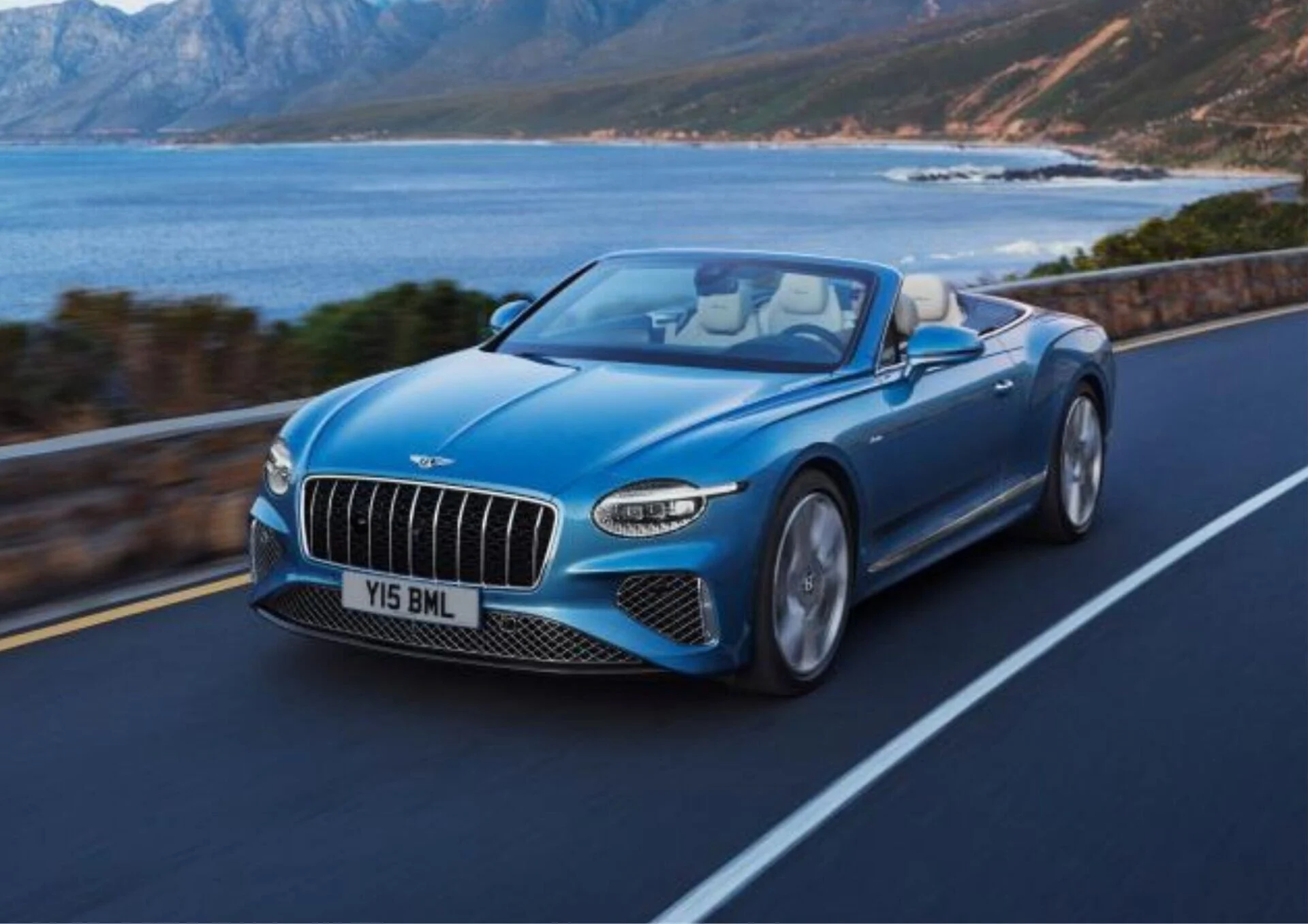
Once synonymous with luxury and leisure, convertibles continue to captivate with their blend of sophisticated design and exhilarating open-air driving. These remarkable vehicles offer a dynamic mix of technology, comfort, and style. Whether it's the thrill of a soft top or the resilience of a hard top, each variant provides a unique driving experience, inviting enthusiasts to explore the subtle nuances that set each apart.
Unveiling the Convertible: Understanding Its Unique Features
1. Engineering Freedom and Comfort
A convertible is more than just a car with a retractable roof; it is a marvel of structural engineering designed to offer an immersive open-air experience. Manufacturers have made great strides in balancing exposure with luxury. Modern designs utilize advanced lightweight materials for the roof mechanisms, ensuring smooth and automated operation at the touch of a button. Furthermore, significant improvements in acoustic and thermal insulation mean that driving with the top up is now just as quiet and comfortable as a standard sedan. This evolution allows drivers to enjoy the sensory freedom of the outdoors while maintaining the option for a refined, climate-controlled cabin environment whenever needed.
Convertible Roof Types: A Comparison
| Roof Type | Benefits | Considerations |
|---|---|---|
| Soft Top | Classic aesthetic, lightweight, often lower cost | May require more maintenance, potential for noise |
| Hard Top | Better insulation and security, sleek appearance | Heavier, generally higher cost |
2. Advanced Safety and Performance
Safety innovations have kept pace with performance upgrades in the convertible segment, addressing concerns about open-top driving. Today's vehicles feature reinforced windshield frames and foldable rollover protection bars that are engineered to deploy instantly if necessary. Curtain airbag systems are also tailored specifically for the unique dynamics of an open cabin. Under the hood, the evolution is just as impressive. We are seeing modern configurations, such as mid-engine V8 layouts, that deliver nearly 500 horsepower and 465 lb-ft of torque via dual-clutch transmissions. These power-retractable hardtops maintain the structural rigidity required for track-ready handling, proving that you no longer have to sacrifice performance for style.
Convertible vs Cabriolet vs Roadster: What's the Difference?
1. The Spirit of the Roadster: Pure Agility
If you are looking for an unadulterated driving experience, the roadster is the traditional choice. These vehicles are historically defined by their lightweight architecture and a strict two-seat configuration. The primary design focus is on agility, fun, and maintaining a low curb weight to enhance performance on winding roads. Unlike heavier tourers, roadsters often feature simpler roof mechanisms—sometimes manual or basic button-operated tops—to minimize complexity. A classic example that continues to dominate this segment is the Mazda MX-5, which embodies the philosophy of simplicity and driver connection. The goal isn't necessarily top-tier luxury, but rather the sheer joy of motion.
2. Cabriolets and the Evolution of Modern Convertibles
When you step into a cabriolet, you are generally entering the world of grand touring. These vehicles, often synonymous with the broader "convertible" term in the US, typically offer seating for four and prioritize passenger comfort alongside open-air freedom. The engineering is far more sophisticated here, featuring retractable roofs with advanced acoustic and thermal insulation to block out road noise. This segment is currently seeing a shift toward electric and hybrid variants, alongside high-tech safety integrations like foldable rollover protection bars and reinforced windshield frames. As current trends highlight, the gap between a raw roadster and a refined cabriolet is significant in terms of features and price points.
Hard Top or Soft Top? Choosing the Right Roof for Your Convertible
1. Engineering and Safety Innovations
The sophisticated nature of today's convertibles goes far beyond simple mechanics. Manufacturers have invested heavily in improving the acoustic and thermal insulation of roof systems, ensuring that driving with the top up provides a quiet and climate-controlled environment comparable to a standard sedan. This focus on engineering sophistication addresses the historical complaints of noise and draftiness, making these cars viable for daily use in various weather conditions. Furthermore, the expansion of the market has introduced electric and hybrid variants, allowing eco-conscious drivers to enjoy the same wind-in-the-hair experience without the emissions.
2. Performance Configurations and Market Value
When exploring the current market, buyers will notice a distinct correlation between powertrain configurations and pricing tiers. The landscape offers everything from accessible sports cars with manual transmissions to high-end luxury tourers equipped with all-wheel drive and advanced automatic gearboxes. As you move up through the trim levels, the cost reflects not just the added amenities, but often a significant jump in engine performance, such as transitioning from a capable six-cylinder engine to a supercharged eight-cylinder powerhouse.
Performance and User Preferences
| User Type | Preferred Configuration | Key Benefit |
|---|---|---|
| Sport Enthusiast | Manual Transmission, Lightweight Design | Enhanced driving engagement |
| Luxury Seeker | Automatic Transmission, High-Tech Features | Comfort and convenience |
Safety First: Evaluating Soft-top Convertibles' Security Measures
1. Structural Integrity and Rollover Protection
Gone are the days when removing the roof meant sacrificing the car's essential strength. Modern soft-top convertibles prioritize safety through advanced engineering and chassis reinforcements that specifically address traditional concerns regarding rollover vulnerability and side impacts. You will find that manufacturers now utilize reinforced windshield frames and specialized high-strength materials to create a rigid protective cell. Furthermore, updated safety standards emphasize stricter testing and injury thresholds, ensuring that contemporary open-top vehicles offer robust protection comparable to hardtops. This evolution means you do not have to accept significant compromises in performance or enjoyment just to stay safe.
2. Intelligent Driver Aids and Handling
Beyond the physical frame, the integration of smart technology plays a pivotal role in accident prevention. Recent analyses highlight that many models now integrate standard driver aids, such as automatic emergency braking and blind-spot warnings, which are crucial for mitigating inherent visibility issues when the top is raised. For instance, some vehicles balance precise handling with advanced braking systems that can achieve impressive braking distances of 100 feet from 60 mph. These features act as an extra pair of eyes, helping you navigate traffic with confidence. Whether it is through electronic intervention or superior mechanical grip, the focus is firmly on keeping the vehicle stable and secure on the road.
Top Convertibles to Consider: Best Models on the Market Today
1. Evolution of Safety and Technology
Modern convertibles have come a long way from the simple cloth tops of the past. Manufacturers now prioritize advanced engineering to ensure that the open-top experience does not compromise comfort or safety. We are seeing a significant shift towards vehicles with retractable roof systems that offer improved acoustic and thermal insulation, allowing for a quieter ride when the top is up. Furthermore, the integration of automated controls makes transitioning between enclosed and open driving seamless.
Safety remains a paramount concern for prospective buyers. Contemporary models are equipped with specialized features such as foldable rollover protection bars and reinforced windshield frames. These structural enhancements are often paired with curtain airbag systems designed specifically for the unique geometry of a convertible. Additionally, the market is expanding to include more diverse powertrains, with electric and hybrid variants joining traditional luxury sedans and premium SUVs in adopting retractable roof concepts.
2. Analyzing Performance and Value
When looking for the right model, balancing performance with price is key. Recent data highlights a diverse range of options, from spirited roadsters to luxurious grand tourers. The Mazda MX-5 continues to stand out as a benchmark for pure driving enjoyment, securing a perfect overall rating thanks to its accessible price point and high-performance score. On the premium end, the Porsche 911 Cabriolet delivers exceptional performance, achieving a top score in that category, though it commands a significantly higher investment.
For those interested in electric mobility, the Fiat 500e Convertible offers a more compact and eco-friendly entry point, while the BMW 4 Series and Mercedes CLE Cabriolet provide strong mid-range options that balance luxury with solid performance ratings. The variety in starting prices and ratings suggests that there is a suitable open-top vehicle for almost every type of driver.
Q&A
Q1: What exactly is a convertible car?
A1: A convertible is more than just a car with a retractable roof. It is a feat of structural engineering designed to provide an open-air driving experience, balancing exposure with luxury. Modern convertibles use advanced materials for smooth operation and offer excellent thermal and acoustic insulation, making them as comfortable and quiet as standard sedans.
Q2: What are the differences between convertibles, cabriolets, and roadsters?
A2: Convertibles and cabriolets are often used interchangeably, generally referring to vehicles with retractable roofs and usually seating four. Roadsters, however, are lightweight, sporty two-seaters focusing on agility and simplicity. Cabriolets lean towards luxury, blending advanced features and comfort suitable for grand touring.
Q3: How do hard tops compare to soft tops in convertibles?
A3: Hard tops offer a coupe-like security with superior noise and thermal insulation, often resembling a traditional car when closed. Soft tops maintain a classic look with modern fabrics providing good insulation. Both are engineered to ensure smooth transitions and maintain vehicle integrity, but hard tops might offer slightly more durability.
Q4: Are soft-top convertibles safe to drive?
A4: Yes, modern soft-top convertibles are designed with safety in mind. They include reinforced windshield frames and roll bars for protection in case of rollover. Advanced materials and structural enhancements make them as safe as hard-top vehicles, with additional features like driver aids to boost safety.
Q5: Can you drive a soft-top convertible in the rain?
A5: Yes, modern soft tops are equipped to handle wet conditions. They use advanced materials to keep the cabin dry and cozy, preventing leaks. Proper maintenance, like clearing drainage channels and ensuring good tire tread, helps ensure safety and comfort during wet weather driving.
Q6: Which convertible models are considered some of the best on the market today?
A6: The market offers diverse choices, from the affordable Mazda MX-5, known for driving enjoyment, to the luxurious Porsche 911 Cabriolet, which excels in performance. For eco-friendly options, the Fiat 500e Convertible is a notable choice, while the BMW 4 Series and Mercedes CLE Cabriolet offer a balance of luxury and performance.