
Hybrid vehicles have established themselves as a cornerstone of efficient transportation, blending internal combustion with electric propulsion. At the heart of this synergy lies the hybrid battery pack, an energy storage unit subject to its own unique aging process. For prospective owners of used hybrid vehicles, understanding the lifespan, influencing factors, and economic implications of this battery is not a secondary concern but the central determinant of the vehicle's remaining useful life and long-term cost-effectiveness.
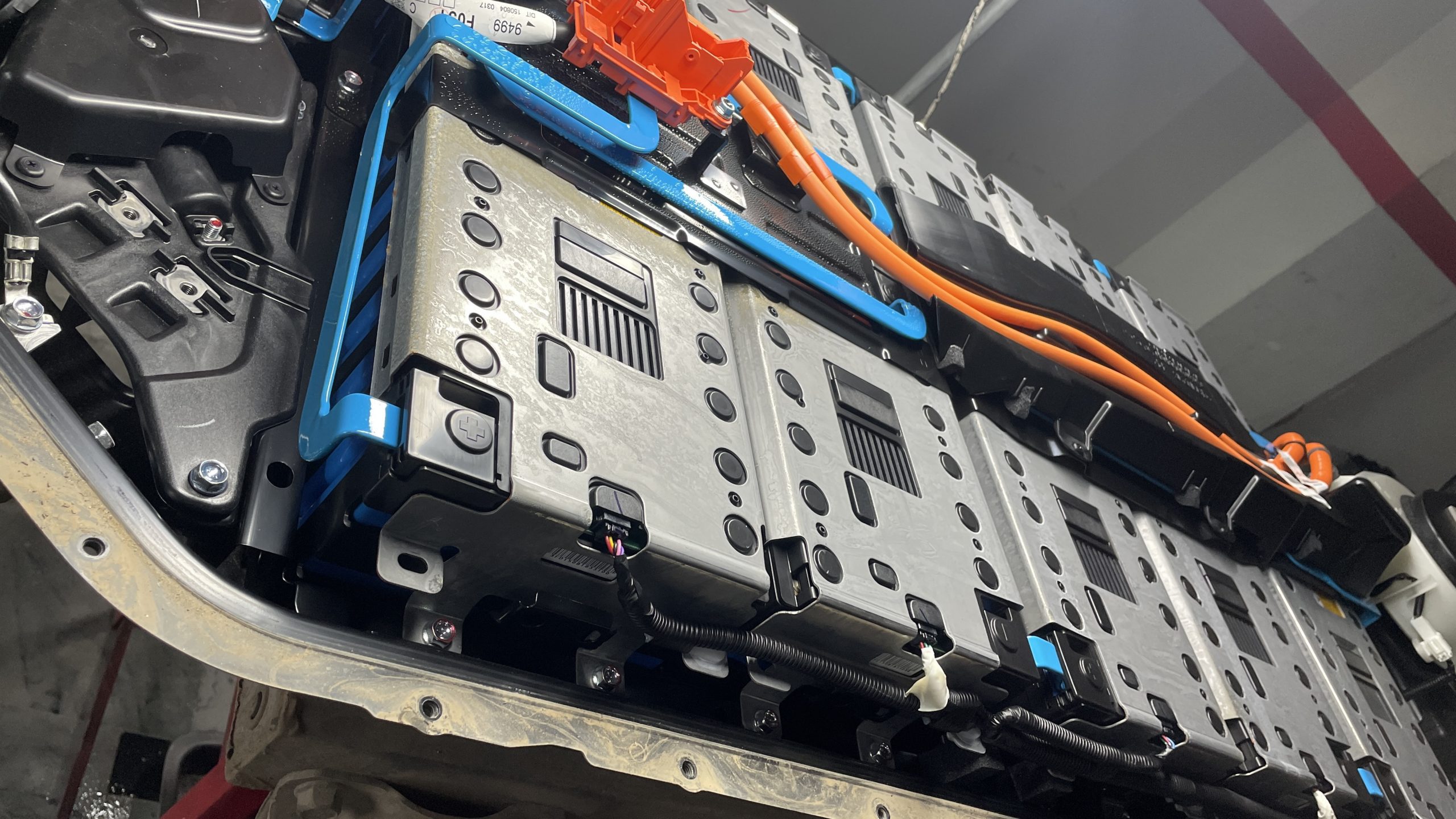
Hybrid vehicles have established themselves as a cornerstone of efficient transportation, blending internal combustion with electric propulsion. At the heart of this synergy lies the hybrid battery pack, an energy storage unit subject to its own unique aging process. For prospective owners of used hybrid vehicles, understanding the lifespan, influencing factors, and economic implications of this battery is not a secondary concern but the central determinant of the vehicle's remaining useful life and long-term cost-effectiveness.
The Inevitable Process of Hybrid Battery Aging
Unlike a conventional 12-volt starter battery, a hybrid's high-voltage nickel-metal hydride (NiMH) or lithium-ion (Li-ion) traction battery is designed for deep, cyclic use. Its degradation is a gradual, predictable process influenced by chemistry, environment, and duty cycle, not a sudden failure.
Chemical and Mechanical Degradation Pathways
Hybrid battery aging is driven by fundamental electrochemical processes. In NiMH batteries, which have powered hybrids for decades, aging often involves the gradual loss of electrolyte, electrode corrosion, and a reduction in charge acceptance over thousands of cycles. Modern Li-ion hybrids face different challenges, primarily the growth of a solid-electrolyte interphase (SEI) layer on the anode and structural degradation of the cathode material. Both chemistries suffer from increased internal resistance over time. This resistance reduces the battery's ability to deliver and accept high power, which is crucial for acceleration and regenerative braking. Importantly, a hybrid battery is rarely a single unit; it comprises many individual cells or modules connected in series. Failure often begins with one or a few weak cells creating an imbalance, which the Battery Management System (BMS) must work harder to compensate for, leading to reduced overall performance and eventual system warnings.
How Driving Habits Accelerate or Delay Decline
The rate of degradation is not fixed; it is heavily modulated by usage pattern effects. A hybrid battery thrives on moderate, consistent use. The most stressful patterns include: Extreme Temperature Operation. Consistently driving in very hot climates without adequate battery cooling, or in very cold climates where the battery operates outside its ideal temperature window, accelerates chemical wear. Aggressive Driving. Frequent hard acceleration demands high power draw from the battery, while aggressive braking can force high regenerative currents back into it, both increasing thermal and electrical stress. Extended Inactivity. Paradoxically, leaving a hybrid unused for weeks or months can be harmful, as the battery can self-discharge to a very low state of charge, which can damage cells. Conversely, regular, mixed-use driving that keeps the battery cycling within its mid-state-of-charge range is ideal for longevity.
Financial and Performance Ramifications of Battery Health
The condition of the hybrid battery directly translates to the owner's wallet and driving experience. Its health dictates ongoing costs, vehicle performance, and eventual resale value.
The Significant Investment in Battery Replacement
When a hybrid battery's performance degrades beyond acceptable limits or fails entirely, owners face a substantial replacement cost overview. For a typical mainstream hybrid, a new OEM battery pack can range from approximately $2,000 to over $8,000, with labor adding several hundred more. However, the market has adapted. Third-party refurbished or remanufactured batteries, which replace only the failed cells or modules, offer a more affordable alternative, often costing 30-50% less than a new OEM pack. Furthermore, a growing industry of independent hybrid specialists can perform individual cell replacement for a fraction of the cost, extending the pack's life significantly. The choice between these options depends on the vehicle's age, value, and the owner's long-term plans. This potential expense is the single largest financial risk in used hybrid ownership.
Observing the Gradual Loss of Hybrid Efficiency
The most noticeable symptom of a declining battery is a reduction in the vehicle's overall efficiency decline factors. As the battery's ability to store and deliver energy diminishes, the gasoline engine must run more frequently and for longer periods to compensate. This leads to a measurable drop in fuel economy. An owner might notice the engine starting immediately upon vehicle start-up, even for a short trip, whereas a healthy hybrid would begin in silent electric mode. The vehicle may also become less adept at sustaining electric-only propulsion at low speeds. The regenerative braking system might feel less effective, as a degraded battery cannot accept as much charge. These are not binary failures but a gradual erosion of the hybrid system's seamless integration, directly increasing fuel costs over time.
Strategic Evaluation and Ownership for Long-Term Value
Purchasing and owning a used hybrid requires a specific strategy focused on verifying battery health, understanding warranty protections, and planning for the vehicle's entire lifecycle.
The Critical Importance of Warranty Verification
A hybrid's warranty coverage limits are arguably its most valuable feature. Most manufacturers provide a separate, longer warranty for the hybrid battery and related components—often 8 years/100,000 miles, or 10 years/150,000 miles in some markets. This warranty typically guarantees the battery against defects and, crucially, often includes a capacity retention clause (e.g., it will not fall below 70% of its original capacity). When evaluating a used hybrid, the first step is to verify the in-service date and remaining mileage on this hybrid system warranty. A vehicle with several years of remaining battery warranty transfers tremendous financial risk back to the manufacturer, providing peace of mind and protecting long-term value. A vehicle outside this warranty period requires a much more rigorous and cautious assessment of current battery health.
Conducting a Proactive Pre-Purchase Battery Assessment
For hybrids outside warranty, a specialized pre-purchase battery evaluation is non-negotiable. This goes beyond a standard mechanic's check. It requires a technician with hybrid system expertise and a compatible diagnostic scan tool. The evaluation should include: reading all historical and current diagnostic trouble codes from the hybrid control module; checking the Battery Management System (BMS) data for individual cell or module voltage variances (a key indicator of imbalance); observing the battery's state of charge and temperature management during a test drive; and using software to estimate the battery's effective capacity. Some independent shops offer battery load testing services that can provide a health percentage. This technical due diligence is the only way to move from guessing about battery life to making an informed decision based on data.
The Calculus of Long-Term Hybrid Ownership
The decision to purchase a used hybrid ultimately rests on a clear-eyed analysis of total cost of ownership against the benefits of efficiency, weighed against the specific battery's proven condition.
Balancing Initial Savings with Future Liabilities
The long-term value proposition of a used hybrid hinges on this balance. A vehicle with a healthy battery, or one under warranty, purchased at a significant discount from a comparable non-hybrid model, can offer exceptional value for years. The fuel savings effectively pay for the vehicle. Conversely, a deeply discounted hybrid with a degraded battery represents a potential money pit; the savings on the purchase price may be quickly erased by a costly battery replacement or chronically high fuel consumption. The savvy buyer calculates the total projected 5-year cost: purchase price + estimated fuel costs (adjusted for potential efficiency decline) + potential battery service cost (weighted by warranty status and current health). This holistic view reveals the true value.
Adopting an Ownership Mindset for Preservation
Once purchased, owners can adopt practices to maximize battery life. These include driving the vehicle regularly, avoiding extreme states of charge (don't leave it at a very high or very low charge for extended periods), and following the manufacturer's recommended maintenance schedule, which often includes specific checks for the hybrid cooling system. Parking in moderate temperatures when possible and addressing any dashboard warnings related to the hybrid system immediately are also key. By understanding and respecting the hybrid system's needs, an owner becomes an active participant in preserving the vehicle's efficiency and value over the long term, ensuring the hybrid continues to deliver on its promise of reduced fuel consumption and lower emissions for many years to come.
Q&A
Q: What is the typical lifespan of a hybrid car battery?
A: There is no single expiration date. With normal use, a well-designed hybrid battery can often last 10 to 15 years or 150,000 to 200,000 miles. Its lifespan is not defined by a sudden "death" but by a gradual efficiency decline to a point where replacement is economically or practically warranted. Many factors influence this timeline.
Q: How much does it cost to replace a failed hybrid battery?
A: The replacement cost overview varies widely. A brand-new OEM battery pack can cost $2,000 to $8,000+ with labor. More affordable options include refurbished packs (replacing failed cells) or individual cell/module replacement by a specialist, which can cost significantly less. The total depends on the vehicle model, battery type (NiMH vs. Li-ion), and the repair strategy chosen.
Q: What driving habits are worst for a hybrid battery's health?
A: Damaging usage pattern effects include consistent short-trip driving that never allows the battery to properly cycle and thermally stabilize, aggressive driving that creates high power demands and heat, and prolonged storage in extreme hot or cold temperatures, or with a very low state of charge. Regular, moderate highway and city driving is ideal.
Q: How does the hybrid battery warranty work, and what does it cover?
A: A hybrid battery warranty is typically longer than the basic vehicle warranty (e.g., 8-10 years). It covers defects and, importantly, often guarantees the battery will not fall below a specified capacity level (e.g., 70%). Warranty coverage limits are based on time and mileage from the original in-service date and are usually transferable to subsequent owners, making it a critical factor when buying used.
Q: Does a weaker hybrid battery only hurt fuel economy, or does it affect driving too?
A: It affects both. The primary symptom is reduced fuel economy as the gasoline engine runs more. However, efficiency decline factors also impact driving: you may notice less electric-only operation at low speeds, a sensation of weaker acceleration as battery assist diminishes, and potentially less effective regenerative braking. The seamless "hybrid feel" degrades as the battery's power capacity declines.