
Hybrid vehicles occupy a unique space in the automotive market. They combine advanced powertrain technology with everyday usability, and this combination influences both upfront cost and long-term ownership value. By looking at purchase cost alongside incentives, long-term savings, and overall value, drivers can approach hybrid buying with clarity and realistic expectations.
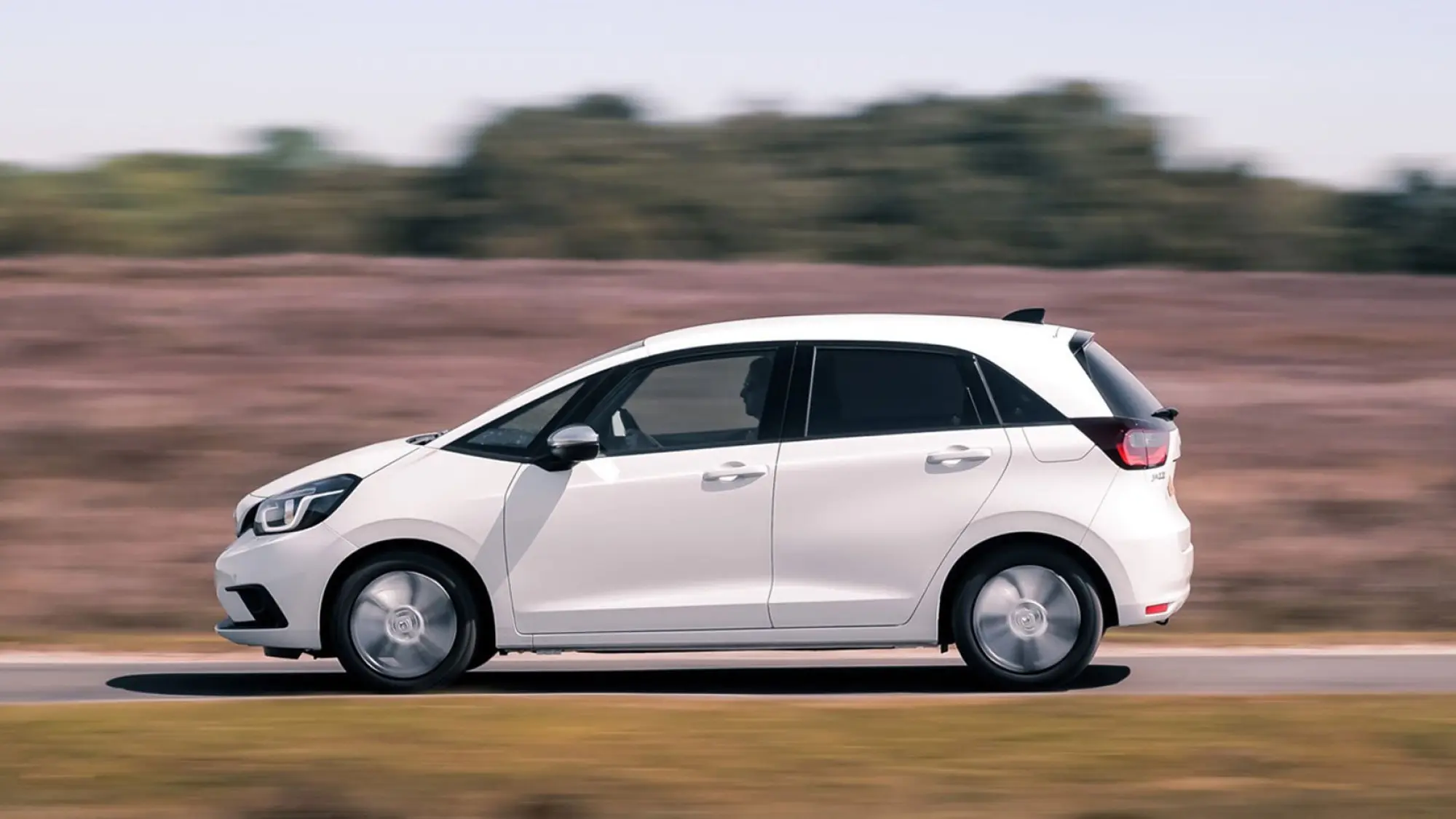
Hybrid vehicles occupy a unique space in the automotive market. They combine advanced powertrain technology with everyday usability, and this combination influences both upfront cost and long-term ownership value. By looking at purchase cost alongside incentives, long-term savings, and overall value, drivers can approach hybrid buying with clarity and realistic expectations.
Purchase Cost and the Hybrid Price Premium
What Determines Purchase Cost
The purchase cost of a hybrid car reflects more than just its size, brand, or features. Hybrid vehicles include additional components—such as electric motors, battery packs, power electronics, and sophisticated control systems—that differentiate them from purely gasoline models. These components add engineering complexity and manufacturing steps that, in many cases, translate into higher manufacturing cost.
This foundational difference is the starting point for understanding hybrid pricing. While every vehicle’s price depends on brand positioning, materials, and market strategy, hybrid cars tend to be positioned above equivalent gasoline variants within a model lineup. Manufacturers set prices based on expected demand, production cost, and competitive context. Buyers considering hybrid options should expect the initial price to reflect both the advanced technology and the perceived value of fuel savings and efficiency.
From a market perspective, this price positioning also reflects how hybrid cars are marketed: as a step above standard models in terms of technology and operating economy.
The Idea of a Price Premium
A price premium simply means that one version of a product costs more than another similar version. In the hybrid car context, the price premium refers to how much more a hybrid model costs compared to its conventional counterpart. This premium varies by vehicle type, brand strategy, and feature content, but it is a consistent part of hybrid pricing.
The premium does not represent a penalty; rather, it signals added technology and capabilities that are not present in base gasoline vehicles. Hybrid systems allow drivers to use fuel more efficiently and often deliver a quieter, smoother driving experience, which many buyers perceive as added value.
Understanding the price premium helps drivers frame cost expectations. Instead of viewing hybrid pricing as simply “more expensive,” it makes sense to see it as an upfront reflection of technology that may deliver ongoing benefits through fuel savings and value retention.
Incentives and Availability
Government and Regional Incentives
Incentives play a significant role in balancing hybrid car pricing for many buyers. Governments and local authorities often offer incentives to encourage adoption of more efficient vehicles. These incentives can take the form of tax credits, rebates, registration discounts, or other financial perks.
In both the United States and the United Kingdom, hybrid buyers may encounter incentives that reduce the effective purchase cost. While these incentives change over time and vary by region, they reflect broader public policy goals such as reducing emissions, improving air quality, and supporting energy diversity. Knowing what incentives are available in a particular area is an important part of budget planning.
For many drivers, incentives can offset a portion of the price premium, making hybrid ownership more accessible. Some incentives are applied at the point of sale, while others are claimed through tax filings or rebate applications after purchase.
Manufacturer and Dealer Offers
In addition to public incentives, manufacturers and dealers sometimes provide their own programs to make hybrids more affordable. These offers can include low-interest financing, lease specials, or dealership discounts that reduce out-ofpocket cost. Such deals often depend on inventory levels, competitive pressure, and sales strategy rather than vehicle technology alone.
Hybrid models that are well established in a lineup may receive different promotional treatment than brand-new introductions. For prospective buyers, exploring current dealer promotions and financing options can be a practical way to improve affordability without compromising choice.
Dealers may also bundle additional benefits—such as maintenance plans or extended warranties—that factor into overall cost considerations.
Budget Planning for Hybrid Purchases
Thinking Beyond Sticker Price
Effective budget planning for a hybrid car requires looking beyond the sticker price. The initial purchase cost is only one part of total ownership expense. Other factors—such as fuel use, maintenance expectations, insurance rates, and residual value at resale—also influence long-term value.
When planning a budget, drivers should consider how they intend to use the vehicle. Daily commuting patterns, typical trip lengths, and local driving conditions all influence how much fuel is consumed and how quickly fuel savings accumulate. A hybrid car that spends most of its time in stop-and-go traffic may deliver stronger relative fuel savings than one driven almost exclusively on open highways.
Budget planning also involves estimating non-fuel costs in ways that reflect personal circumstances. Some drivers factor in parking, tolls, and regional insurance differences, while others focus on depreciation or long-term vehicle retention.
Balancing Features With Cost
Another aspect of budget planning is selecting trim levels and optional features that align with priorities. Hybrid models are often available with different levels of driver assistance, infotainment features, and comfort upgrades. While these options enhance the driving experience, they also influence purchase price.
Balancing feature content against budget constraints is a personal decision. Some buyers prioritize advanced safety systems and interior upgrades, while others focus on base models that deliver core hybrid benefits without additional cost. Aligning technology and comfort choices with daily needs helps ensure that purchase cost matches personal value expectations.
Long-Term Savings and Ownership Value
Fuel Savings Over Time
One of the most visible long-term benefits of a hybrid car is reduced fuel use. Hybrid systems leverage electric power to reduce reliance on gasoline, particularly during low-speed driving and frequent stops. Over months and years, this can translate into meaningful reductions in fuel purchases compared to conventional gasoline vehicles.
Long-term savings emerge through regular use rather than isolated trips. For drivers who travel frequently in urban environments, hybrid systems reduce fuel consumption when gasoline engines are least efficient. These savings become part of the overall ownership calculus, offsetting the initial price premium over time.
While exact savings vary between drivers based on travel habits, regional fuel prices, and vehicle use patterns, the consistent theme is that hybrid efficiency contributes to lower ongoing operating cost.
Maintenance and Resale Considerations
Maintenance costs and resale value also shape long-term ownership value. Hybrid vehicles often benefit from reduced strain on certain mechanical parts. For example, regenerative braking—which recovers energy during deceleration—reduces reliance on traditional brake systems, potentially extending brake component life. While hybrid systems add complexity, they are engineered for durability and many manufacturers provide warranties that reflect confidence in long-term performance.
Resale value is another consideration. Hybrid cars that maintain reputation for reliability and efficiency may attract strong interest in the used vehicle market. A vehicle that holds value well at trade-in or sale time effectively reduces total cost of ownership.
Budget planners should factor in these broader value elements alongside fuel savings. Taken together, they provide a more complete picture of what hybrid ownership means financially over extended periods.
Comparing Value: Hybrid vs Conventional Cars
Evaluating Cost Relative to Benefits
Value comparison between hybrid and conventional gasoline cars is not simply a matter of price. It is a comparison of total costs and benefits over the life of the vehicle. Conventional vehicles may have lower upfront costs, but they typically use more fuel and may require more frequent servicing of certain components. Hybrids, by design, aim to reduce energy use and distribute mechanical load more evenly across powertrain components.
In practical terms, this means hybrid cars may deliver lower operating costs over time that narrow the gap created by purchase price differences. Drivers who travel regularly and experience diverse driving conditions often find that hybrid efficiency delivers value beyond what a conventional vehicle alone can provide.
Furthermore, hybrid value is not limited to fuel savings. Comfort and refinement, smoother power delivery, and thoughtful integration of technology contribute to ownership satisfaction in ways that extend beyond numerical cost comparisons.
Personal Priorities and Value Assessment
Every driver’s priorities influence how value is assessed. For some, minimizing monthly expenses is paramount. For others, comfort, technology, or environmental consideration plays an equal role. Hybrid vehicles appeal to a blend of these motivations.
When comparing value, a useful approach is to list personal priorities—such as fuel economy, comfort features, reliability reputation, and projected use—and weigh them against both purchase cost and long-term considerations. This helps drivers identify which attributes matter most and which vehicles align with their unique mix of needs.
Rather than seeking a single “best” choice, value comparison is ultimately about finding the right fit for individual circumstances.
Practical Approaches to Pricing Decisions
Shop, Compare, and Negotiate
Understanding hybrid car pricing involves active engagement in the market. Comparing multiple models, exploring trim levels, and reviewing dealer offers provides perspective on what constitutes fair market value. Negotiation remains a tool for many buyers, and exploring financing options, trade-in arrangements, or lease alternatives contributes to cost clarity.
Market timing can also affect pricing. Seasonal promotions, model year transitions, and inventory levels influence dealer incentives and available pricing flexibility. Staying informed helps buyers make educated financing and purchasing decisions.
Considering Alternative Ownership Models
Beyond traditional purchases, lease and certified pre-owned options also shape hybrid affordability. Leasing may reduce monthly payments and provide access to newer technology without long-term ownership cost commitments. Certified pre-owned hybrids often come with extended warranty coverage and lower purchase price while still delivering many benefits of new hybrid technology.
Evaluating these alternative ownership models as part of budget planning expands flexibility and helps drivers find the right financial approach for their situation.
Questions and Answers
Q: Why do hybrid cars cost more upfront than conventional cars?
Hybrid cars include additional components and engineering complexity that influence manufacturing cost, leading to a purchase price that reflects this advanced technology.
Q: Do incentives really make a difference in hybrid pricing?
Yes. Government and dealer incentives can reduce effective cost, making hybrid cars more affordable, though availability varies by region and over time.
Q: Can hybrid cars save money over time?
Yes. Lower fuel consumption and steady maintenance expectations often contribute to long-term savings that help offset the initial price premium.
Q: How should I plan my budget when considering a hybrid car?
Budget planning should include purchase cost, expected fuel savings, maintenance outlook, incentives, and personal priorities like comfort or technology features.