
With their allure of open-air freedom and style, these distinctive vehicles have captivated enthusiasts for decades. Their cyclical popularity, influenced by various factors such as craftsmanship and prestige, presents unique challenges for those navigating the complex landscape of market-driven valuation and changing consumer desires.
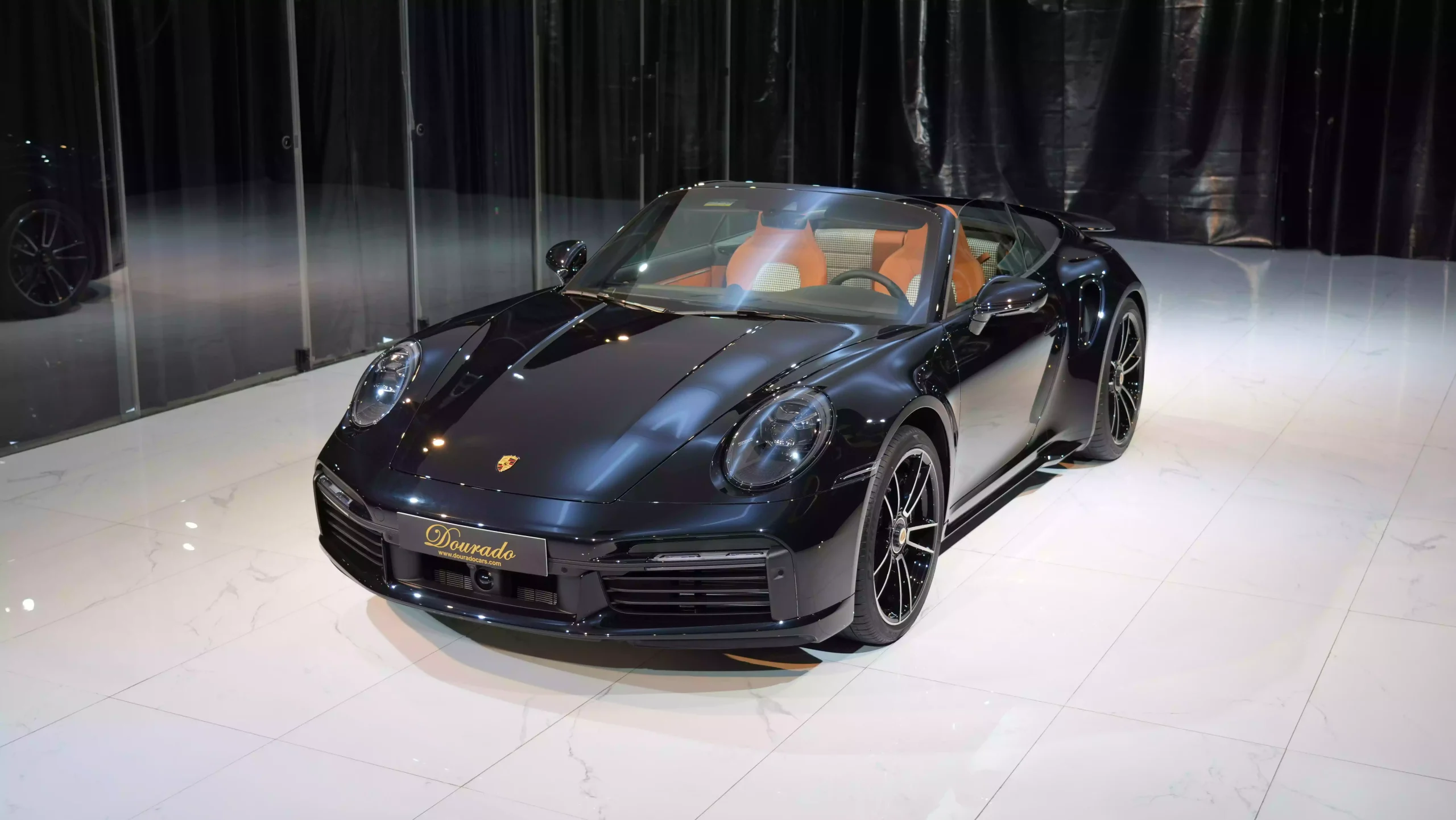
With their allure of open-air freedom and style, these distinctive vehicles have captivated enthusiasts for decades. Their cyclical popularity, influenced by various factors such as craftsmanship and prestige, presents unique challenges for those navigating the complex landscape of market-driven valuation and changing consumer desires.
The Rhythm of Seasonal Market Fluctuations
Understanding the Impact of Weather on Demand
The relationship between weather patterns and vehicle desirability is nowhere more apparent than in the open-top segment. While most automobiles are viewed as year-round necessities, drop-tops are frequently categorized as emotional or lifestyle purchases. This distinction creates a predictable yet powerful tide in valuation. When temperatures rise and the sun shines, the psychological appeal of driving without a roof increases exponentially. Consequently, Seasonal Demand dictates that spring and early summer are the peak windows for sellers. during these months, the emotional pull of the "wind in the hair" experience often overrides strict budgetary constraints, allowing sellers to command a premium.
Conversely, the onset of autumn and winter brings a sharp decline in buyer interest. For those looking to acquire a vehicle, this off-season represents the optimal window for Market Timing. Dealerships and private sellers are often more motivated to offload inventory that is likely to sit stagnant for months, occupying valuable garage or lot space. Smart buyers leverage this period to negotiate better terms, understanding that the functional value of the car remains unchanged even if the immediate weather is unfavorable. The depreciation curve for these vehicles is not linear; it resembles a staircase that flattens in the summer and drops steeply in the winter. Understanding this cycle is crucial for maximizing investment retention.
| Season | Market Activity | Seller Leverage | Buyer Leverage | Strategic Recommendation |
|---|---|---|---|---|
| Spring/Early Summer | Very High | Maximum | Low | Ideal time to list for sale; emphasize lifestyle appeal. |
| Late Summer | Moderate | Moderate | Moderate | Prices begin to stabilize; good balance for trade-ins. |
| Autumn/Winter | Low | Weak | Maximum | Best time to purchase; negotiating power is highest. |
Physical Integrity and Component Condition
The Critical Importance of Roof Maintenance
When assessing Convertible Cars and Resale Value, the condition of the folding mechanism is the single most significant variable separating a premium asset from a financial burden. Unlike fixed-roof coupes, these vehicles possess complex mechanical systems involving motors, hydraulics, latches, and fabric or metal panels. A failure in any of these components can result in repair bills that rival the car's residual value. Therefore, Roof Condition is the primary inspection point for any potential second-hand buyer. A pristine top suggests a garaged, well-cared-for life, whereas a faded, cracked, or leaking top immediately signals neglect, drastically lowering the asking price.
There is also a distinct divergence in how different roof types age. Soft tops (fabric or vinyl) are susceptible to environmental damage, vandalism, and organic growth if not treated regularly. However, they are generally lighter and cheaper to replace than their rigid counterparts. Retractable hardtops, while offering better security and insulation, introduce a higher level of mechanical complexity. If a hardtop sensor fails or a hinge bends, the troubleshooting process is labor-intensive. Used Buyer Preferences have shifted over time; while hardtops were once the gold standard for versatility, the modern enthusiast often prefers the classic aesthetic and simplicity of a high-quality soft top, provided it has been maintained flawlessly.
Managing Wear on Interior Surfaces
Beyond the roof itself, the interior of an open car is subjected to harsh elements that standard vehicles never face. Direct UV exposure, wind-blown dust, and sudden rain showers can accelerate the aging of leather seats, dashboards, and electronics. This accelerated wear contributes significantly to Depreciation Trends. A dashboard that has cracked from sun exposure or leather that has hardened and split will deter buyers faster than high mileage.
Because these vehicles are often used for leisure, buyers expect the interior to be in better condition than a daily commuter. The presence of sun-damaged switchgear or faded upholstery implies that the car was left parked outside with the top down—a cardinal sin in the eyes of a collector or enthusiast. To maintain value, owners must invest in UV-protective treatments and ensure the vehicle is covered when parked. The visual appeal of the cockpit is paramount because, unlike in a sedan, the interior is fully visible from the outside when the roof is retracted. It becomes part of the vehicle's exterior aesthetic, making its preservation essential for holding value.
The Role of Brand Perception and Heritage
How Prestige Influences Long-Term Retention
Not all drop-tops are created equal in the eyes of the market. Brand Reputation plays an outsized role in determining whether a vehicle will hit the bottom of the depreciation curve and bounce back as a classic, or continue to slide into obscurity. Vehicles from manufacturers with a storied history of racing or luxury touring tend to retain a higher percentage of their original MSRP. The badge on the grille serves as a proxy for engineering quality and social status, both of which are key drivers in the secondary market.
For mass-market manufacturers, a convertible variant is often seen as a novelty. While fun, these vehicles may lack the specialized engineering rigidity of a purpose-built roadster. Consequently, they often depreciate faster as they age, becoming "used cars" rather than "enthusiast machines." In contrast, marques that specialize in performance vehicles often see their open-top models stabilize in price. The market perceives these cars not just as transportation, but as collectibles. This "halo effect" protects the owner's investment, provided the vehicle remains in stock condition. Modifications often hurt value in this segment, as purists seek an authentic experience that aligns with the manufacturer's original vision.
| Feature Dimension | Impact on Resale: Positive | Impact on Resale: Negative |
|---|---|---|
| Color Choice | Neutral tones (Silver, Black) or classic Brand colors (e.g., Red for sports cars) | Polarizing custom colors or fad colors (e.g., Neon Green, Matte finishes) |
| Transmission | Manual gearboxes in sports models (high enthusiast demand) | Automatic transmissions in pure sports cars (often less desirable) |
| Service History | Documented dealer service, specialized independent mechanic records | Gaps in history, DIY repairs without receipts, "Lost" logbooks |
| Modifications | Reversible, high-quality upgrades (e.g., branded exhaust) | Permanent body kits, ECU tuning, lowered suspension |
The Niche Appeal and Buyer Demographics
Understanding the target audience is the final piece of the puzzle. The buyer profile for a convertible differs vastly from that of an SUV or sedan. These buyers are rarely looking for utility; they are looking for an experience. This shifts the focus from fuel economy and cargo space to driving dynamics and aesthetic purity. Used Buyer Preferences in this sector favor low-mileage "weekend toys" over high-mileage daily drivers. A convertible with high mileage suffers a steeper penalty than a comparable sedan because the market assumes the chassis has been subjected to more stress and that the specialized roof seals have had more opportunities to degrade.
Furthermore, the "classic" status of a convertible often arrives sooner than for closed-roof cars. As safety regulations make modern cars heavier and more complex, older, analog open-top cars are becoming increasingly desirable for their tactile driving experience. This nostalgia factor is a powerful antidote to depreciation. Sellers who can articulate this narrative—positioning the car as a portal to a pure driving experience rather than just a mode of transport—can effectively tap into the emotional desires of the buyer, insulating the sale price from typical market forces.
Q&A
How do convertible cars and resale value relate to depreciation trends?
Convertible cars often experience unique depreciation trends compared to regular vehicles. While they may initially depreciate faster due to their higher purchase price and niche market appeal, well-maintained convertibles can hold their value better in the long term, especially if they have strong brand reputation and desirable features. The depreciation rate can also be influenced by seasonal demand, with values peaking during spring and summer.
What role does seasonal demand play in the resale value of convertible cars?
Seasonal demand significantly impacts the resale value of convertible cars. These vehicles are more desirable in warmer months, leading to higher prices during spring and summer when buyers are more interested in open-top driving experiences. Conversely, demand and prices may drop in colder seasons, presenting potential buyers with opportunities for better deals.
How does brand reputation affect the resale value of convertible cars?
A strong brand reputation can positively influence the resale value of convertible cars. Brands known for reliability, performance, and luxury tend to retain their value better. Buyers are often willing to pay a premium for convertibles from reputable manufacturers, as they are perceived to offer superior quality and durability, which can lead to lower depreciation rates.
Why is the condition of the roof important when considering the resale value of a convertible car?
The roof condition of a convertible car is crucial in determining its resale value. A well-maintained roof, free from leaks, tears, and mechanical issues, can enhance the car's appeal to potential buyers. A damaged or poorly functioning roof can significantly reduce the vehicle's value, as repairs can be costly and affect the car's usability and appearance.
What market timing strategies can be used to maximize the resale value of a convertible car?
To maximize resale value, sellers should consider market timing strategies such as selling during peak seasons when demand is high. Listing a convertible in late spring or early summer can attract more buyers willing to pay premium prices. Additionally, monitoring market trends and buyer preferences can help sellers choose the optimal time to sell their vehicle, taking advantage of favorable economic conditions or shifts in consumer interest.