
Navigating the open road with the thrill of the wind in your hair and the sun on your face becomes a family affair with modern, sporty vehicles designed for driver enjoyment and shared adventures. These sleek rides masterfully merge sensational handling with the practicalities of accommodating everyone comfortably.
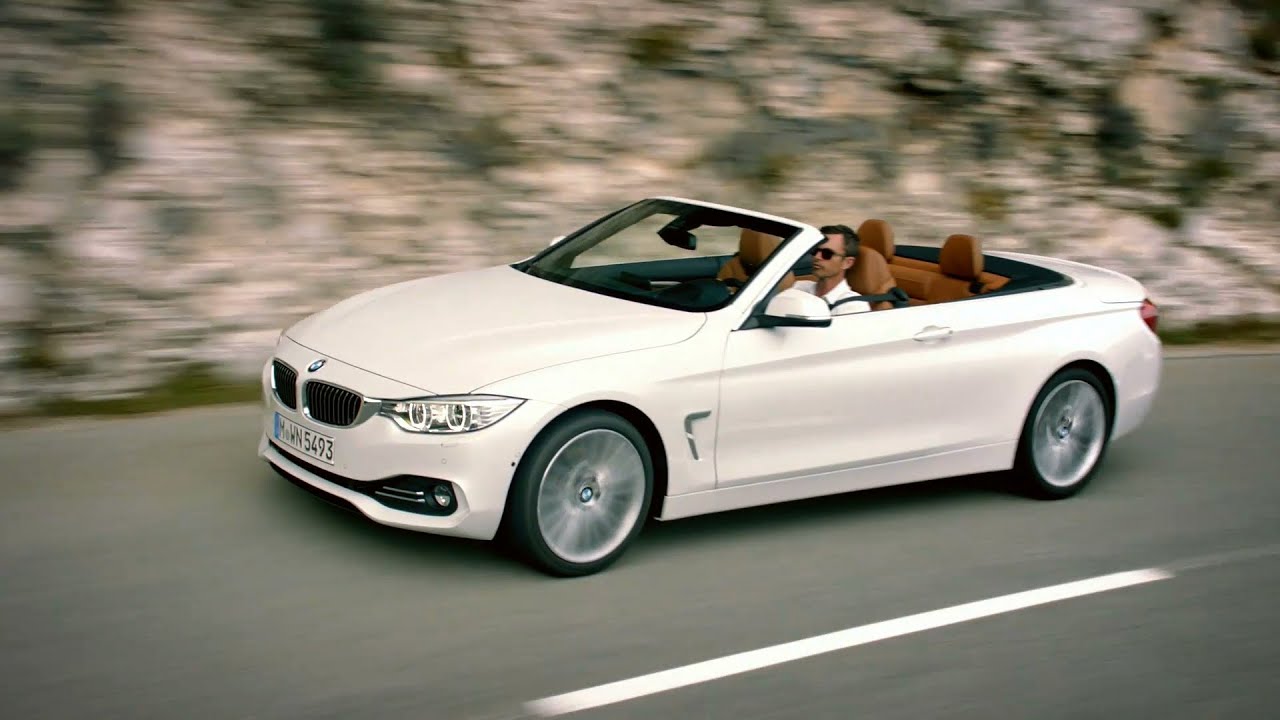
Navigating the open road with the thrill of the wind in your hair and the sun on your face becomes a family affair with modern, sporty vehicles designed for driver enjoyment and shared adventures. These sleek rides masterfully merge sensational handling with the practicalities of accommodating everyone comfortably.
Redefining the Modern Family Tourer
The Evolution of Cabin Space and Usability
Historically, the concept of an open-top vehicle was often synonymous with a selfish pursuit of pleasure—a machine designed purely for the driver and perhaps one lucky passenger, prioritizing style and aerodynamics over anything resembling utility. The rear seats, if they existed at all, were frequently dismissed as upholstered luggage racks or emergency zones suitable only for extremely short trips. However, the automotive landscape has shifted dramatically. Contemporary engineering has successfully challenged the notion that you must choose between the joy of open-air motoring and the necessity of transporting your family. The modern four-seater has evolved into a viable option for those who refuse to compromise on their lifestyle needs.
Managing Cargo Realities with the Roof Down
One of the most critical logistical challenges when integrating a drop-top vehicle into family life is understanding the dynamic nature of storage. The romantic image of a road trip often clashes with the physical reality of where to put the luggage when the mechanical roof folds away. In many configurations, the retracted roof occupies a significant portion of the trunk, potentially halving the available cargo volume. This requires a shift in how one packs; soft duffel bags become preferable to hard-shell suitcases, and strategic layering becomes an essential skill for the driver.
However, manufacturers have responded to these constraints with clever solutions. Many modern iterations feature pass-through hatches between the rear seats, allowing for longer items like ski gear or golf clubs to be transported even with passengers in the back. Furthermore, variable trunk separators help drivers understand exactly how much space is safe to utilize without interfering with the roof mechanism. For daily errands, such as grocery shopping or carrying sports equipment, the boot space in the "roof up" position is often surprisingly generous, rivaling standard coupes. The key is pre-flight planning: checking that the stroller fits through the aperture or ensuring the weekly shop doesn't exceed the height limit of the cargo cover.
| Feature / Aspect | Conventional Fixed-Roof Sedan | Modern Four-Seat Open-Top |
|---|---|---|
| Primary Cargo Shape | Deep, rectangular, consistent volume regardless of weather. | Variable volume; often shallow and wide when the roof is retracted. |
| Loading Accessibility | Wide opening, high vertical clearance. | Narrower slot opening; requires strategic packing of soft bags. |
| Rear Seat Utility | Full adult comfort for long durations. | Best for children or adults on short to medium journeys. |
| Interior Atmosphere | Isolated, quiet, climate-controlled bubble. | Immersive, elemental, variable noise levels based on speed. |
| Security Perception | High isolation from exterior environment. | Requires locking console bins and glovebox when parked open. |
Engineering Performance and Comfort
Balancing Weight, Power, and Handling
A common skepticism surrounding larger open-top cars involves their driving dynamics. Structurally, removing the roof from a vehicle is akin to removing the lid from a shoebox; without reinforcement, the sides lose rigidity, leading to chassis flex and a compromised driving experience. In the past, the heavy bracing required to counteract this issue resulted in sluggish performance. Today, however, advancements in metallurgy and composite materials have allowed engineers to stiffen chassis structures invisibly and efficiently. The result is a platform that feels solid and responsive, absorbing bumps and cornering forces without the "scuttle shake" that plagued older generations.
To cope with the additional weight of structural reinforcements and a full load of passengers, powertrains have also been upscaled. It is common to find high-torque turbocharged engines or large-displacement units paired with these vehicles. This ensures that even with four people and luggage on board, the car retains its ability to merge effortlessly onto highways and climb steep gradients without feeling strained. The integration of mild-hybrid systems in recent models further smoothes out the power delivery, providing torque-fill during acceleration while improving fuel efficiency—a crucial factor for a car intended for long-distance touring. The suspension tuning has also matured; rather than the jarring stiffness of a track-focused sports car, these vehicles often feature adaptive damping that provides a compliant, sophisticated ride quality suitable for sleeping children in the back, yet firms up when the driver wants to engage with a winding road.
Technology for Climate and Wind Control
The viability of an open car as a year-round family vehicle depends heavily on its ability to manage the elements. It is no longer acceptable for passengers to be buffeted by gale-force winds or frozen by autumnal chills. Aerodynamics plays a pivotal role here. Engineers spend countless hours in wind tunnels shaping the windshield headers and side mirrors to direct airflow over the cabin rather than into it. This creates a "bubble of calm" where conversation is possible without shouting, even at highway speeds.
Inside the cockpit, technology actively fights the cold. Beyond standard heated seats, many models now feature neck-level heating systems—often dubbed "air scarves"—which blow warm air around the occupants' shoulders, effectively extending the driving season well into winter. Intelligent climate control systems automatically adjust airflow and temperature based on whether the roof is open or closed, compensating for the loss of heat to the atmosphere. Furthermore, infotainment screens are now designed with high-contrast, anti-glare coatings to remain legible under direct sunlight. This ensures that navigation instructions and media controls are always accessible, reducing driver distraction. When combined with advanced driver-assistance systems like blind-spot monitoring (essential given the often larger pillars of convertibles) and lane-keeping assist, the modern drop-top becomes a safe, high-tech sanctuary that protects its occupants while exposing them to the beauty of the outdoors.
The Passenger Experience and Logistics
The Reality of the Rear Seat Environment
While the driver and front passenger enjoy the protection of the windshield and the primary heating systems, the experience for those in the rear seats can be markedly different. It is crucial for potential buyers to understand that the "wind protection bubble" often degrades the further back you sit. Rear passengers are closer to the turbulence created as air rushes over the car, meaning they experience more wind noise and physical buffeting than those up front. On a highway, this can transform a relaxing drive into a noisy ordeal if not properly managed.
To mitigate this, many owners utilize wind deflectors. However, a traditional deflector often covers the rear seats entirely, rendering them unusable for passengers. Therefore, for family use, the focus must be on the vehicle's inherent aerodynamic design and the use of windows. simply rolling up all four side windows can dramatically reduce turbulence, creating a semi-enclosed environment that retains the open-air feel without the hurricane effect. It is highly recommended that buyers test the car with family members sitting in the back at cruising speeds. Ensuring that children are comfortable and not overwhelmed by the noise is the difference between a car that gets used every weekend and one that stays in the garage. This "livability check" is as important as checking the engine specifications.
| Consideration | Check | Why it Matters |
|---|---|---|
| Turbulence Test | Sit in the back at 60 mph. | Rear passengers experience significantly more wind than the driver. |
| Conversation Clarity | Talk to front passengers without shouting. | If you can't communicate, the "shared experience" is lost. |
| Sun Exposure | Check rear shade/hat clearance. | Rear passengers have no visor protection from direct overhead sun. |
| Ingress/Egress | Test entering with the roof up vs. down. | Daily usability depends on how hard it is to access the back seats. |
| Climate Reach | Check for rear vents or heat flow. | Ensuring warm/cool air actually reaches the back row is vital. |
Access and the Two-Door Dilemma
A defining characteristic of almost all convertibles is the two-door layout. While aesthetically pleasing, this presents specific challenges for daily family logistics. Accessing the rear seats invariably involves folding the front seat forward and maneuvering into the back. For agile children, this is rarely an issue and can even be part of the fun. However, for installing car seats or helping elderly relatives, the restricted aperture can be physically demanding. Doing this in a tight parking spot with long, heavy doors adds another layer of complexity.
Conversely, the open roof offers a unique advantage that fixed-roof coupes lack: vertical access. When the weather permits and the roof is down, placing a child into a car seat becomes exceptionally easy—you simply lower them in from above, bypassing the awkward bending and twisting required in a standard sedan. This "top-down loading" is a hidden benefit that many parents come to appreciate. Ultimately, living with a two-door convertible requires a mindset shift. It asks for a little more patience during loading and unloading in exchange for the unparalleled reward of the drive itself. It is a trade-off between the sterile efficiency of a sliding-door van and the emotional engagement of a machine that turns a mundane commute into an event. For many, that trade-off is worth making every single time the sun comes out.
Q&A
What factors should be considered when choosing a four-seat convertible for family use?
When selecting a four-seat convertible for family use, consider passenger space to ensure comfort for all occupants, especially in the rear seats. Look for models that offer a good balance between practicality and style. Rear comfort, including legroom and seat support, is crucial for longer drives. Additionally, evaluate the trunk space to accommodate family luggage or gear.
How does passenger space in four-seat convertibles impact rear comfort during long drives?
Passenger space directly affects rear comfort, particularly on long drives. Convertibles with ample legroom and ergonomic seating can make a significant difference in preventing fatigue and discomfort for rear passengers. Ensure the convertible offers adjustable seating options and adequate headroom to enhance comfort during extended trips.
What are some popular four-seat convertible models known for balancing practicality and style?
Popular models that strike a balance between practicality and style include the BMW 4 Series Convertible, Audi A5 Cabriolet, and Mercedes-Benz C-Class Cabriolet. These vehicles are known for offering spacious interiors, comfortable seating for four passengers, and adequate trunk space, making them suitable for both daily use and family outings.
How can one optimize the practicality of a four-seat convertible for family use?
To optimize the practicality of a four-seat convertible, choose models with features such as split-folding rear seats for additional cargo space, advanced infotainment systems to entertain passengers during long drives, and safety features that cater to family needs. Additionally, consider models with easy access to the rear seats to facilitate child seat installation and access.