
In the realm of spirited rides, the allure of intimate two-passenger machines captivates enthusiasts. These compact marvels emphasize an effortless connection with the road, offering exhilarating agility and a refreshing simplicity. Ideal companions for those retreating drives, they promise unadulterated excitement that lingers long after the weekend is over.
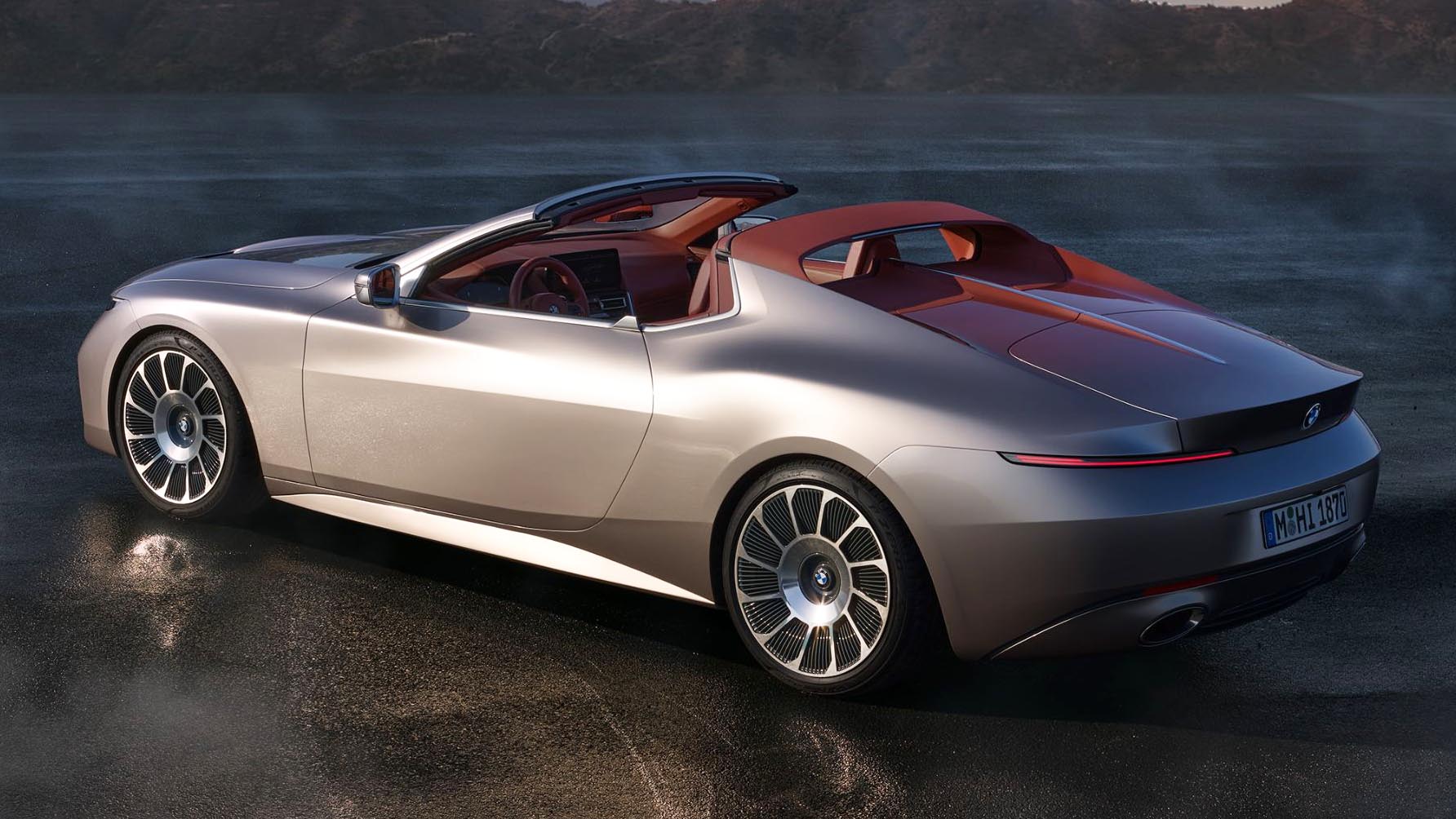
In the realm of spirited rides, the allure of intimate two-passenger machines captivates enthusiasts. These compact marvels emphasize an effortless connection with the road, offering exhilarating agility and a refreshing simplicity. Ideal companions for those retreating drives, they promise unadulterated excitement that lingers long after the weekend is over.
The Aesthetic of Subtraction
Mastering the Art of Simplicity
In contemporary automotive design, there is a growing appreciation for the "aesthetic of subtraction," where stripping away non-essentials reveals a vehicle's true character. This philosophy is most evident in modern open-top vehicles, where bold engineering choices—such as replacing traditional rear visuals with camera technology—allow for smoother exterior lines and optimized spatial efficiency. These innovations are not merely cosmetic; they represent a high-level fusion of practicality and visual harmony. The resulting forms are simple yet profound, changing expressions with the shifting light and offering a deep sense of satisfaction that never grows old.
When you slide into the cockpit, the first sensation is often one of overwhelming tranquility and organized purpose. By reducing physical buttons and adopting intuitive interfaces, manufacturers create an environment where the driver can focus entirely on the act of operating the machine. This minimalist approach extends to hidden storage solutions and the use of premium materials, which convey a sense of luxury far greater than flashy ornamentation ever could. In a space free from visual noise, the passing scenery and the sensation of unity with the car become vivid. This reduction in distraction significantly lowers driver fatigue, allowing for longer, more immersive journeys where the primary focus remains exactly where it should be: on the joy of motion.
| Feature Category | Conventional Interior Approach | Minimalist Cockpit Philosophy |
|---|---|---|
| Control Layout | Multiple physical buttons and complex dashboards | Intuitive interfaces, fewer switches, driver-centric focus |
| Visual Atmosphere | Busy, tech-heavy, potentially distracting | Clean, calm, reducing "visual noise" to aid concentration |
| Spatial Design | Prioritizes maximum gadgets and decoration | Prioritizes ergonomic fit, hidden storage, and open sightlines |
| Driver Connection | Insulated from the driving experience | Direct engagement, enhancing the feeling of unity with the car |
Unlocking True Agility on the Asphalt
A Direct Dialogue Between Hands and Road
The most heart-stirring moment in a compact performance vehicle occurs when the driver's hands and the car’s movements synchronize perfectly. Imagine a runner without a heavy backpack, changing direction effortlessly; this is the sensation of a chassis that has shed all excess weight. The vehicle responds instantly to the driver's intent. A movement of the steering wheel by just a few millimeters results in an immediate, crisp change in direction. This is not the result of complex electronic aids, but rather the natural outcome of physical lightness and superior balance.
Unlike larger, heavier vehicles where there is often a perceptible lag—a moment of hesitation between input and reaction—these lightweight machines eliminate that gap. The result is a sensation of the car becoming an extension of the body. This "dialogue" is continuous and intuitive. You don't just steer the car; you wear it. The feedback loop is instantaneous, providing a level of confidence that encourages precision. It transforms a mundane commute into a tactile experience, reminding us that driving is not just about transportation, but about the physical satisfaction of controlling a responsive machine.
Why the Corners Matter More Than Speed
The agility of these vehicles truly shines when navigating winding backroads or even tight city corners. With a center of gravity engineered to sit as low as possible, these cars offer a unique dual sensation: they are planted firmly to the ground yet feel incredibly light on their feet. Crucially, this enjoyment does not require breaking speed limits. Even at moderate cruising speeds, the suspension geometry and chassis rigidity transmit the texture of the road directly to the driver through the seat and palms.
Turning becomes a form of entertainment in itself. The suspension compresses just enough to communicate grip levels, and the steering weights up to indicate the tire's relationship with the tarmac. This sensory richness means you don't need to drive aggressively to feel the thrill. The magic of a lightweight sports platform lies in its ability to make you look forward to the next curve, wondering how the car will communicate the road's surface. It is a pure, unadulterated joy that prioritizes handling dynamics over sheer horsepower, making every twist in the road an opportunity for engagement.
Functional Beauty and Aerodynamic Purpose
When Silhouette Serves Performance
In the world of open-top motoring, design is never solely about vanity. The sweeping body lines and low-slung silhouettes serve a critical function: managing airflow to enhance stability. The beauty seen from the curb is actually the visual representation of aerodynamic efficiency. For instance, the sculpting of the rear deck is often dictated by engine placement and airflow management, while the contour of the soft top is optimized to reduce drag and lower the center of gravity. When a car looks fast and nimble, it is usually because the physics required to make it handle well dictate that specific shape.
This marriage of form and function extends to the aggressive front-end designs seen in recent iterations. Large grilles are not just stylistic choices; they are necessary intakes to cool high-performance engines and braking systems. Muscular, flared fenders are required to house wider tires that provide the mechanical grip needed for spirited cornering. Consequently, the "look" of power is actually the "function" of performance. Inside, this logic continues with cockpits that place the driver dead center of the action. Every switch, dial, and surface is positioned to enhance focus, proving that true beauty in automotive design is achieved when nothing is superfluous, and every element exists to heighten the driving experience.
The Ultimate Weekend Companion
Transforming the Mundane into the Memorable
Opening the garage door on a Saturday morning to reveal a dedicated weekend machine triggers a psychological switch. It marks the transition from the obligations of the workweek to a realm of freedom. Choosing a vehicle designed specifically for driving pleasure changes the nature of travel. It is no longer about reaching a destination efficiently; it is about the quality of the journey. The improved reliability and fuel efficiency of modern engines mean that these cars are no longer just toys for short jaunts; they are capable grand tourers ready for coastlines and mountain passes.
The practicality of these vehicles has also evolved to support the weekend lifestyle. While they maintain a compact footprint, clever engineering has maximized cargo capacity, allowing for weekend bags or picnic gear to be stowed smartly. The integration of modern connectivity allows for a soundtrack to accompany the drive, blending the raw mechanical noise of the engine with your favorite playlists. Whether it is a solo run to clear the mind or a shared adventure with a passenger, the intimacy of the cabin fosters a shared experience that larger vehicles cannot replicate. It is a reliable partner in adventure, turning a simple drive into a rejuvenating escape.
| Driving Scenario | The Experience | Ideal Mindset |
|---|---|---|
| Coastal Cruising | Relaxed pace, sensory immersion with wind and scents, scenic appreciation | Meditative: seeking relaxation and connection with nature |
| Mountain Passes | Technical driving, focus on braking points and apexes, high engagement | Spirited: seeking thrill, focus, and technical satisfaction |
| City Nights | Enjoying the urban atmosphere, agility in traffic, aesthetic appreciation | Social: enjoying the vibe and the machine's design in an urban setting |
| Long Distance | Testing endurance, bonding with the passenger, discovering new places | Adventurous: exploring the unknown with a reliable companion |
Q&A
What makes two-seat roadsters ideal for drivers seeking pure driving fun?
Two-seat roadsters are designed with a focus on delivering a pure driving experience. Their compact size and minimalist design reduce weight and enhance agility, allowing for more responsive handling. This setup is ideal for those who prioritize the joy of driving over passenger capacity or extra features, making every drive an engaging and enjoyable experience.
How does the compact size of two-seat roadsters contribute to their performance?
The compact size of two-seat roadsters significantly contributes to their performance by enhancing maneuverability and reducing overall weight. This allows for quicker acceleration and more precise handling, making them perfect for winding roads and tight corners. The smaller footprint also aids in parking and navigating urban environments, adding to their versatility as weekend cars.
Why are two-seat roadsters often considered excellent weekend cars?
Two-seat roadsters are considered excellent weekend cars due to their focus on driver enjoyment and their ability to transform ordinary drives into exciting experiences. Their agile handling and driver-focused features make them perfect for leisure drives on scenic routes. Additionally, their minimalist design emphasizes performance and aesthetics, making them appealing for those who want a stylish, fun vehicle for weekend getaways.
In what ways does a minimalist design enhance the driving experience of a roadster?
A minimalist design enhances the driving experience of a roadster by stripping away unnecessary features and focusing on essentials that contribute to driving performance. This design philosophy reduces distractions, allowing drivers to fully engage with the road and the car's dynamics. The simplicity of the cockpit and controls ensures that the driver remains connected to the vehicle, enhancing the sense of pure driving fun.
What are the key characteristics that define the agile handling of two-seat roadsters?
The agile handling of two-seat roadsters is defined by their lightweight construction, balanced weight distribution, and responsive steering. These characteristics allow for quick directional changes and superior control, especially in challenging driving conditions. The suspension systems are typically tuned for performance, providing excellent road feedback and stability, which is crucial for drivers who enjoy spirited driving and tackling twisty roads.