
Acquiring a high-end vehicle is an experience that extends far beyond the transactional exchange of keys for payment. It represents an entry into a curated ecosystem where exceptional engineering meets concierge-level service, and where the purchase process itself is designed to reflect the prestige of the product. Luxury automotive retail operates under a fundamentally different set of principles compared to the mainstream market, focusing on exclusivity, personalization, and a lifelong client relationship rather than mere volume.
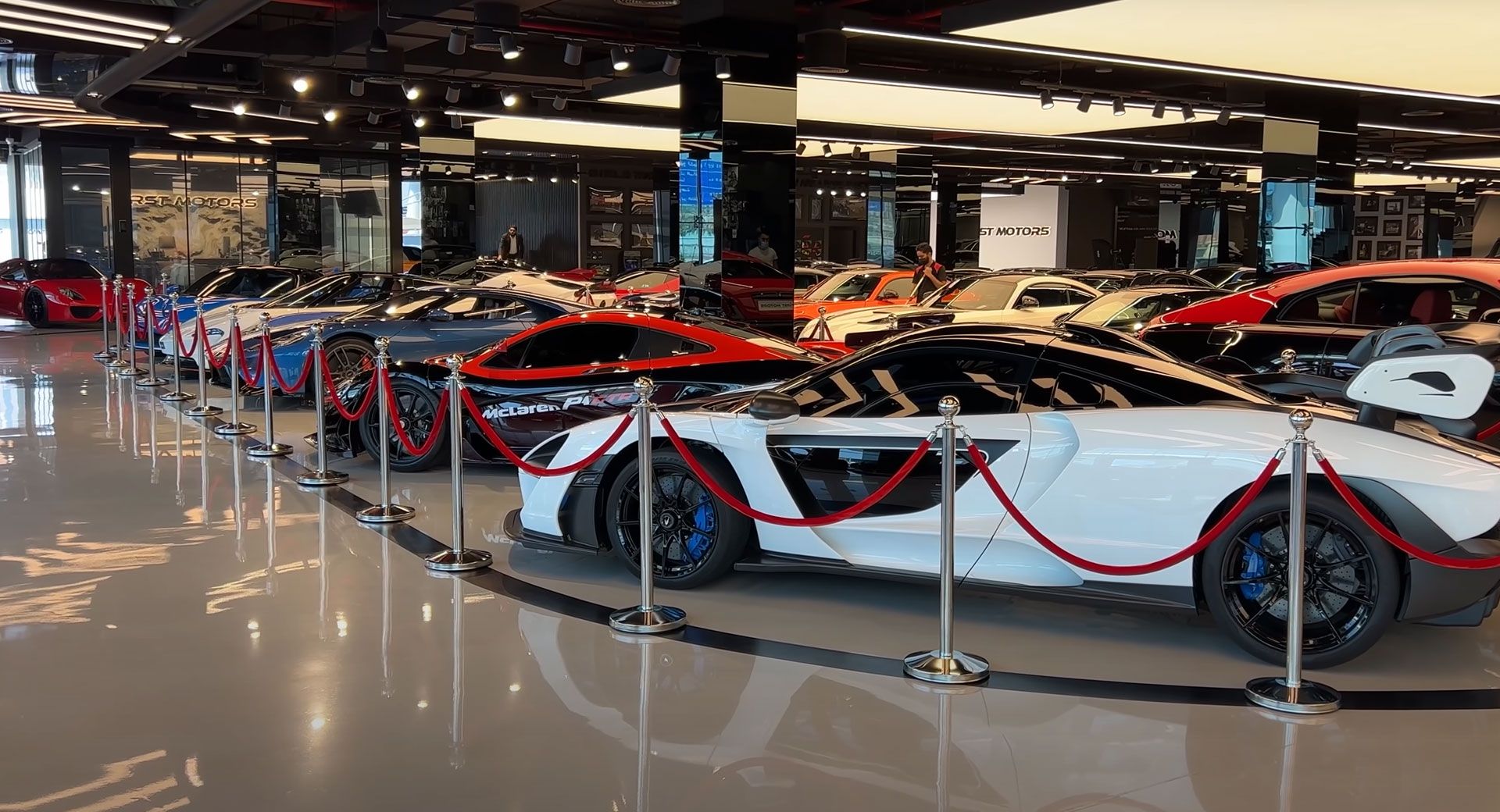
Acquiring a high-end vehicle is an experience that extends far beyond the transactional exchange of keys for payment. It represents an entry into a curated ecosystem where exceptional engineering meets concierge-level service, and where the purchase process itself is designed to reflect the prestige of the product. Luxury automotive retail operates under a fundamentally different set of principles compared to the mainstream market, focusing on exclusivity, personalization, and a lifelong client relationship rather than mere volume.
The Architecture of the Prestige Retail Experience
The environment and process of elite automotive retail are meticulously engineered to reinforce the brand's heritage, technological prowess, and commitment to client care. Every touchpoint is designed to minimize friction and maximize personal significance.
The Sanctuary of the Showroom and the Art of Curation
A luxury auto market showroom transcends the concept of a car lot. It functions as a brand embassy, often featuring architectural design by notable firms, museum-like lighting, and minimalist staging that treats each vehicle as a sculpture. The inventory is deliberately curated, not merely stocked. For high-demand or limited-production models, allocation is often controlled by the manufacturer and offered to a dealer's most loyal clients first. This creates an aura of exclusivity and can mean that simply having the means to purchase is not enough; one must often be an existing member of the brand's ecosystem. The sales process is consultative and discreet. The premium auto retailer employs product specialists—often with deep technical and brand history knowledge—who focus on understanding the client's lifestyle, driving preferences, and aesthetic tastes to guide them toward the ideal configuration, rather than employing high-pressure sales tactics.
Beyond the Sale: Concierge Services and Ownership Support
The relationship is designed to begin, not end, with the sale. Upscale car sales are supported by white-glove ancillary services. This includes personalized vehicle configuration with clients often invited to private viewing rooms to select from swatches of leather, wood veneers, and custom paint colors. At-home or office test drives are standard, bringing the vehicle to the client. The financial process is handled with similar discretion, often in a private office or lounge area. Post-purchase, the service department mirrors the sales experience. Loaner vehicles are typically current-model equivalents or luxury sedans, not economy cars. Maintenance can often be scheduled with pick-up and delivery from the client's home or workplace. This high end vehicle sellers model transforms the dealership from a service center into a mobility concierge, managing the client's time as a valuable asset.
Navigating Acquisition and Ownership Economics
While the experience is paramount, the financial and practical aspects of luxury ownership involve distinct considerations, from depreciation curves to long-term cost of ownership.
Understanding Depreciation and Value Retention Dynamics
The financial profile of a luxury vehicle is unique. While all cars depreciate, the trajectory for prestige vehicle retail products can be steeper initially but varies dramatically by brand and model. Mainstream luxury sedans often experience significant depreciation in the first three years. In contrast, certain iconic models (like the Porsche 911), limited editions, and vehicles from ultra-exclusive marques (Ferrari, Rolls-Royce) can depreciate more slowly or even appreciate if they become collectible. This makes the certified pre-owned (CPO) luxury market particularly compelling. A CPO program from the manufacturer offers a rigorous multi-point inspection, extended factory-backed warranty, and often inclusive maintenance, delivering near-new condition and peace of mind at a substantial discount from the original MSRP. For the savvy buyer, this is often the most intelligent entry point into luxury ownership.
The Real Cost of Luxury: Maintenance, Insurance, and Operational Expenses
The purchase price is merely the entry fee. True cost of ownership includes substantially higher insurance premiums due to repair costs and vehicle value. Maintenance and repair costs are exponentially higher, as parts are specialized and labor requires expert technicians. A routine brake service on a high-performance vehicle can cost several times that of a mainstream car. Fuel and consumables are also a factor; high-performance engines often require premium fuel and may consume tires more rapidly. Savvy buyers and owners must budget for these operational costs or opt for manufacturer-sponsored inclusive maintenance plans, which, while costly upfront, provide predictable budgeting and cover all scheduled services.
| Consideration | Mainstream Dealer Experience | Luxury Retailer Experience |
| Showroom Environment | Functional, high-density display, promotional signage. | Architectural design, low-density curation, museum-like presentation. |
| Sales Interaction | Often transactional, focused on price and monthly payment. | Consultative, focused on lifestyle fit, customization, and brand heritage. |
| Test Drive Process | Standard in-lot process, often with salesperson present. | Often concierge-style: delivered to client's location for private evaluation. |
| Service & Support | Loaner car may be basic; service is facility-based. | Premium loaner fleet, pick-up/delivery, dedicated client advisor. |
| Ownership Economics | Focus on affordability and low TCO (Total Cost of Ownership). | Acknowledgment of higher TCO, offset by exclusivity, performance, and bespoke service. |
The Evolving Landscape of High-End Retail
The luxury automotive sector is not immune to disruption. Changing consumer expectations, digital innovation, and new brand entrants are reshaping how even the most exclusive cars are bought and sold.
Digital Integration and the Omnichannel Client Journey
Modern luxury auto market clients expect a seamless digital-physical journey. They may configure their dream car online using advanced visualizers long before visiting the showroom. Brands are developing sophisticated client relationship management (CRM) systems that allow a client's preferences—from interior trim to communication style—to be known across the global retail network. Virtual reality (VR) tours and augmented reality (AR) apps that overlay vehicle features onto a real-world environment are becoming tools for remote customization. The most progressive retailers are implementing digital retailing tools that allow for transparent, online finance structuring and paperwork initiation, preserving the in-person experience for delivery and relationship-building while streamlining administrative steps.
The Rise of Subscriptions and Experiential Ownership
Beyond outright purchase or lease, premium auto retailers are pioneering new ownership models. Luxury vehicle subscription services (offered by both manufacturers like Porsche and third-party specialists) allow members to swap between different models within a brand's portfolio for a monthly fee that covers insurance, maintenance, and roadside assistance. This appeals to clients who desire variety and ultimate convenience. Furthermore, retailers are increasingly gatekeepers to brand experiences. Purchasing a high-performance model might come with an invitation to an exclusive driving academy at a race track, a members-only rally, or access to brand-sponsored cultural events. The vehicle becomes a key to a community and a set of experiences, deepening emotional loyalty beyond the product itself.
A Strategic Approach to Luxury Acquisition
For the prospective buyer, entering this world successfully requires a shift in mindset from consumer to client, and a focus on long-term value over short-term cost.
Defining Goals and Selecting the Right Retail Partner
Begin by clarifying your objectives: Are you seeking status, performance, bespoke craftsmanship, or technological innovation? This will guide your brand selection. Research is paramount. Investigate the reputation of specific luxury vehicle retailers through owner forums, enthusiast groups, and independent reviews. A dealer's reputation for integrity, service quality, and fair allocation of limited-edition models is as important as the brand they represent. Establish a relationship with a dedicated client advisor. Their expertise and advocacy within the dealership can be invaluable for securing desirable allocations and ensuring exceptional service throughout your ownership.
Emphasizing Due Diligence in the Pre-Owned Market
Whether considering new or CPO, due diligence remains critical. For pre-owned luxury vehicles, a pre-purchase inspection (PPI) by a brand-specific specialist is even more crucial than with mainstream cars. This inspection should include a deep diagnostic scan of all electronic systems, an examination of the undercarriage for signs of track use or impact damage, and verification of all service records. For out-of-warranty vehicles, obtaining a detailed history and budgeting for a potential extended warranty from the manufacturer is a wise risk-management strategy. Remember, the lowest purchase price in the classifieds often carries the highest long-term risk. Acquiring from a reputable high end vehicle seller with a robust CPO program or verifiable history typically offers the best blend of value and security, ensuring your luxury purchase remains a source of pleasure, not financial distress.
Q&A
Q: Is buying a used luxury car a financially foolish decision?
A: Not necessarily. The certified pre-owned (CPO) luxury market is one of the smartest ways to own a high-end vehicle. You avoid the steepest initial depreciation while still getting a factory-inspected car with a comprehensive warranty. The key is to budget responsibly for the higher costs of insurance, maintenance, and repairs that come with any luxury vehicle, regardless of its age.
Q: How important is the dealership relationship when buying a luxury car?
A: It is critically important. A strong relationship with a prestige vehicle retail advisor can provide access to rare allocations, prioritize you for service, and offer valuable advice. They act as your advocate within the brand's network. Choosing a dealer known for excellent client care is as important as choosing the car itself.
Q: What's the biggest hidden cost of luxury car ownership?
A: Beyond expected maintenance, the most surprising cost is often repairs to advanced technology and complex systems. A malfunctioning air suspension, a failing infotainment screen, or repairs to carbon ceramic brakes can result in bills that are orders of magnitude higher than those for mainstream vehicles. This makes a strong warranty or pre-purchase inspection essential.
Q: Are luxury car dealerships negotiable on price?
A: It varies. For high-demand, limited-availability models, there may be little to no negotiation, sometimes even a premium over MSRP. For more common models or inventory that has been on the lot, there is often room for discussion, especially on pre-owned vehicles. However, the negotiation in elite automotive retail is typically more nuanced, focusing on value, trade-in equity, and financing terms rather than adversarial haggling.
Q: Should I consider a luxury car subscription?
A: A subscription can be an excellent option for those who value flexibility and variety and want a simple, all-inclusive monthly cost. It eliminates concerns about long-term depreciation and maintenance hassles. However, it is typically more expensive than a traditional lease over the long term and is best suited for those who plan to switch cars frequently or are unsure which model best suits their lifestyle.