
As the landscape of utility vehicles transforms, new paths emerge that blend advanced technologies and sustainability. The latest advancements are carving a niche for vehicles designed to impress with cutting-edge features and efficiency, all while aligning with global trends toward smarter, more adaptable automotive solutions.
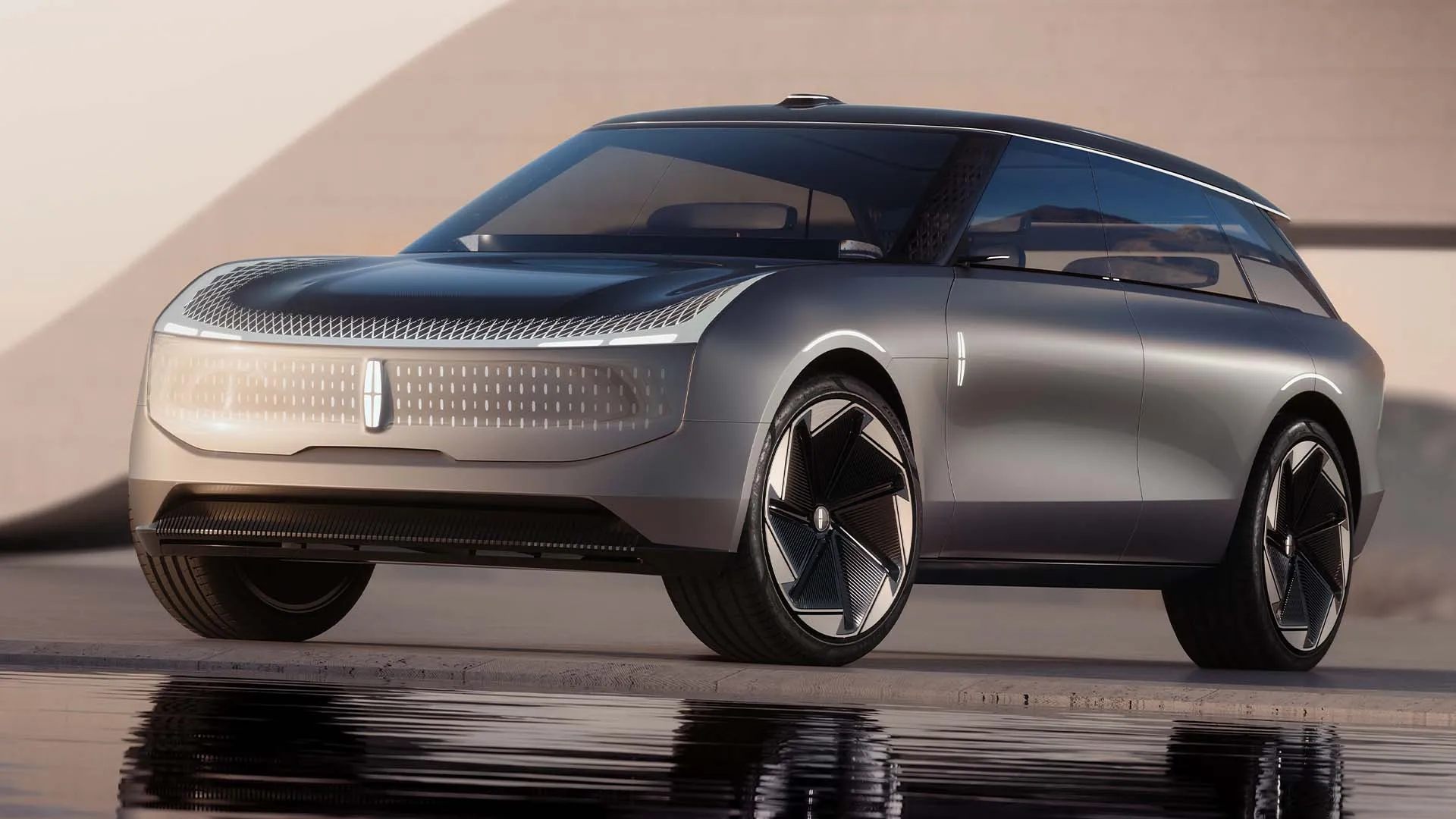
As the landscape of utility vehicles transforms, new paths emerge that blend advanced technologies and sustainability. The latest advancements are carving a niche for vehicles designed to impress with cutting-edge features and efficiency, all while aligning with global trends toward smarter, more adaptable automotive solutions.
Redefining Performance Through Dedicated Architectures
The Shift to Specialized Platforms and Energy Management
One of the most profound shifts in the modern automotive sector is the move away from modifying internal combustion chassis for electric use. Instead, manufacturers are adopting dedicated architectures often described as "skateboard" platforms. This structural revolution places battery packs flat beneath the floor, liberating space that was once monopolized by bulky engines and transmission tunnels. For families in the UK and the US, this translates to significantly more legroom and expanded cargo capacity without increasing the vehicle's exterior footprint. The result is a cabin that feels less like a traditional cockpit and more like an open lounge, redefining expectations for comfort on long road trips or daily school runs.
Beyond mere space, energy management has taken center stage. New high-voltage systems are drastically reducing charging times, addressing range anxiety for cross-country travelers. Furthermore, these vehicles are evolving into "mobile energy hubs." Bi-directional charging capabilities allow owners to power campsites during outdoor adventures or provide emergency electricity to their homes during outages. This feature resonates deeply with the active lifestyles of utility vehicle owners, transforming the car from a simple mode of transport into a versatile power asset.
| Feature Dimension | Traditional Utility Vehicle Architecture | Modern Dedicated Electric Architecture |
|---|---|---|
| Cabin Space | Constrained by transmission tunnels and engine bays | Flat floors with maximized interior volume |
| Center of Gravity | Higher due to engine placement, affecting stability | Low and centered due to floor-mounted battery packs |
| Energy Role | Consumption only (fuel for motion) | Bi-directional (consumes and supplies power) |
| Drivetrain Complexity | High mechanical complexity (gears, shafts) | Simplified electronic motors with instant torque |
The Era of Software-Defined Mobility
Hardware is no longer the sole determinant of a vehicle's value; software has become the new frontier of competition. Just as smartphones evolve through operating system updates, modern utility vehicles are now designed to improve over time. Through over-the-air (OTA) updates, manufacturers can enhance range efficiency, refine charging protocols, or upgrade infotainment interfaces long after the vehicle has left the dealership. This shift fundamentally changes the ownership experience: a car is no longer at its peak only on the day of purchase but can adapt and optimize itself throughout its lifecycle.
Inside the cabin, the digital experience is becoming increasingly seamless. Integrated multi-screen cockpits allow for intuitive control over navigation and entertainment, offering a level of personalization previously unseen. Drivers can customize their digital environments to suit their preferences, while subscription-based models allow users to unlock specific features—such as advanced driver assistance or premium connectivity packages—only when needed. Whether navigating the congested streets of London or cruising American highways, the integration of robust software ensures that the vehicle remains a relevant and connected companion.
Engineering Lightness and Aerodynamic Efficiency
Advanced Materials Revolutionizing Construction
The pursuit of efficiency has triggered a material revolution in vehicle manufacturing. The equation used to be simple: strength equaled weight. However, the industry is now moving toward high-tensile steels that offer superior protection while being significantly thinner and lighter. This is particularly crucial for electrified models, where the battery adds substantial mass. By employing a "hybrid construction" approach—mixing steel, aluminum, and even carbon fiber at strategic points—engineers can reduce overall weight without compromising structural integrity. This weight reduction is vital for extending the driving range and ensuring the vehicle remains agile.
This philosophy of lightweighting extends deep into the internal components. Parts that are rarely seen, such as radiator supports and drivetrain elements, are increasingly being manufactured from resin composites or aluminum alloys. Even small reductions in weight, when accumulated across thousands of parts, result in a noticeable improvement in energy consumption and handling. For the driver, this means a utility vehicle that feels responsive and nimble, shedding the lumbering heavy-feel of the past while maintaining the robust safety standards expected on modern roads.
Streamlined Designs for Maximum Range
To maximize the potential of eco-friendly powertrains, the physical shape of the utility vehicle is undergoing a dramatic transformation. The boxy, upright profiles of the past are gradually softening into wind-cheating, aerodynamic silhouettes. This is not merely a stylistic choice but a functional necessity. By reducing air resistance, vehicles can slice through the air with less energy, which is critical for maintaining efficiency at highway speeds. Innovations such as flush door handles, active grille shutters, and optimized wheel designs are all part of a concerted effort to minimize drag.
Some manufacturers are taking even bolder steps, rethinking rear layouts to improve airflow or using camera-based side mirrors to reduce turbulence. These design changes contribute to a quieter cabin, as wind noise is significantly dampened. For the consumer, the benefits are twofold: lower running costs due to improved efficiency and a more refined, serene driving experience. The aesthetic has shifted from "rugged aggression" to "sophisticated efficiency," proving that practical family haulers can also be sleek and visually striking.
Balancing Luxury, Comfort, and Regulatory Demands
The Evolution of Cabin Wellness and Sustainability
The definition of luxury in the automotive world is shifting from ostentatious displays of wealth to a focus on wellness and ethical consumption. Modern interiors are increasingly becoming sanctuaries of calm, equipped with features designed to reduce the physical toll of driving. Massage seats, once the preserve of ultra-high-end limousines, are finding their way into family-oriented models, alongside air purification systems and ambient lighting that adjusts to enhance mood. This focus on "sensory comfort" turns a stressful commute into a restorative experience.
Parallel to this focus on wellness is a strong commitment to sustainability. The materials used within the cabin are changing; animal-derived leathers are being replaced by high-quality synthetics, and recycled plastics are being repurposed into stylish dashboard accents and upholstery. For many consumers in the UK and US, the knowledge that their vehicle's interior aligns with their environmental values adds a layer of satisfaction to the ownership experience. It is a harmonious blend of indulgence and responsibility, offering a premium feel without the ecological guilt.
| Consumer Priority | Implementation in Modern Vehicles |
|---|---|
| Ethical Consumption | Use of vegan leathers, recycled PET bottles, and plant-based textiles |
| Physical Wellness | Massage functions, ergonomic seating, and advanced climate control with air filtration |
| Acoustic Comfort | Active noise cancellation and sound-insulating glass for a library-quiet cabin |
| Digital Integration | Seamless smartphone connectivity and personalized user profiles |
Navigating the Regulatory Landscape
As the popularity of larger vehicles persists, the regulatory environment surrounding them is becoming increasingly stringent. Governments in both the UK and the US are implementing tougher emissions standards that challenge the traditional engineering of large utility vehicles. It is no longer enough to simply improve fuel economy; manufacturers must now account for the total carbon footprint of the vehicle. In urban centers, low-emission zones are creating a clear divide, incentivizing zero-emission models while penalizing older, polluting combustion engines. This regulatory pressure is a primary driver behind the rapid electrification of the segment.
However, the industry recognizes that a "one size fits all" approach does not work for everyone. While urban drivers may prioritize electric powertrains for their silence and exemption from congestion charges, those in rural areas or with heavy towing needs still require the specific capabilities of internal combustion or plug-in hybrid systems. The market is responding with a diverse array of options, ensuring that whether a driver needs to navigate a tight city center or traverse a muddy country lane, there is a vehicle configuration that meets both their practical needs and regulatory requirements. This adaptability ensures that the utility vehicle remains a viable and essential tool for a wide spectrum of society, balancing ecological goals with functional reality.
Q&A
What is the future of SUVs in terms of environmental impact?
The future of SUVs is likely to be heavily influenced by stricter emissions regulations. Automakers are expected to increasingly adopt hybrid and electric technologies to reduce the carbon footprint of these vehicles. This shift is essential to meet legal requirements and consumer demand for more environmentally friendly options.
How are hybrid SUVs contributing to the market direction?
Hybrid SUVs are playing a crucial role in the transition towards more sustainable automotive solutions. They provide a balance between fuel efficiency and the power that consumers expect from SUVs. As technology advances, hybrid SUVs are becoming more popular, influencing the market direction by encouraging manufacturers to invest in similar technologies.
Why are lightweight materials important for the future of SUVs?
Lightweight materials are critical in the design of future SUVs because they help improve fuel efficiency and reduce emissions. By using materials such as aluminum or carbon fiber, manufacturers can decrease the overall weight of the vehicle, leading to better performance and compliance with emissions regulations. This approach is essential for meeting both regulatory demands and consumer expectations for more efficient vehicles.
How are changing consumer needs shaping the SUV market?
Changing consumer needs are significantly shaping the SUV market. There is a growing demand for vehicles that offer better fuel efficiency, lower emissions, and advanced technological features. Consumers are also looking for SUVs that provide a balance of utility, comfort, and environmental consciousness. This shift is pushing manufacturers to innovate and develop new models that meet these evolving expectations.
What is the impact of emissions regulations on electric SUVs?
Emissions regulations are a major driver in the development and popularity of electric SUVs. These regulations are forcing manufacturers to focus on zero-emission vehicles to comply with legal standards. As a result, electric SUVs are becoming more prevalent in the market, offering consumers an eco-friendly alternative to traditional petrol or diesel-powered vehicles. This trend is expected to continue as regulations become even more stringent.