
Commanding the open roads and urban streets alike, a particular type of automobile captures the hearts of drivers seeking a blend of rugged reliability and refined comfort. At the forefront, models like the Subaru Forester and Lincoln Corsair exemplify this allure, balancing capability with sophistication.
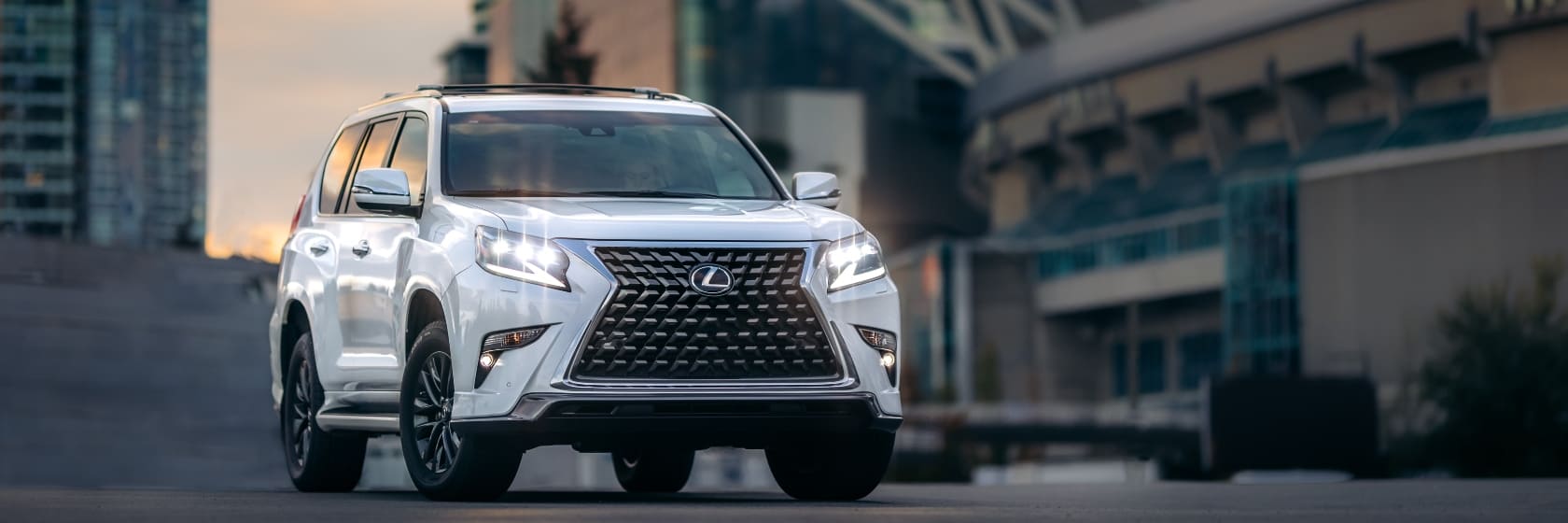
Commanding the open roads and urban streets alike, a particular type of automobile captures the hearts of drivers seeking a blend of rugged reliability and refined comfort. At the forefront, models like the Subaru Forester and Lincoln Corsair exemplify this allure, balancing capability with sophistication.
The Psychology of Safety and Control
Elevated Perspectives and Road Mastery
It is almost impossible to drive through a modern neighborhood without noticing the dominance of high-riding vehicles. The primary driver behind this shift is often the unique balance of utility and psychological assurance these vehicles provide. Unlike sedans or hatchbacks, where the driver sits low to the ground, this category offers a commanding seating position. This height advantage translates directly into better visibility, allowing the driver to see further down the road, spot hazards earlier, and navigate traffic with a greater sense of authority. For many, particularly parents prioritizing family safety, this sensation of being "enveloped" and protected is a decisive factor in their purchase.
The perception of safety is not merely an illusion created by height; it often correlates with the physical presence of the vehicle. Drivers report feeling less vulnerable when surrounded by heavy traffic or large trucks. This confidence is bolstered by the structural robustness that many of these models, such as the Lincoln Corsair, bring to the table. The feeling of driving a fortress, even a compact one, alleviates the stress of highway commuting. Furthermore, the ease of entry and exit—sliding comfortably into a seat rather than dropping down into one—adds a layer of ergonomic safety and convenience that appeals to drivers of all ages. It is this combination of physical ease and mental reassurance that anchors the segment's popularity.
Unpaved Potential and All-Weather Confidence
While many buyers may never leave the tarmac, the potential to do so is a powerful motivator. Modern engineering has allowed vehicles like the Subaru Forester to offer genuine off-road capability without sacrificing pavement manners. We are no longer in an era where you must choose between a comfortable daily driver and a weekend trail warrior. Features like standard All-Wheel Drive (AWD) and generous ground clearance mean that unpaved trails, gravel driveways, or sudden snowstorms are no longer obstacles but invitations for adventure. This capability provides a safety net; you know your vehicle can handle adverse conditions even if you primarily drive for school runs.
The evolution of traction technology has been particularly impressive. Systems are now smart enough to detect wheel slip in milliseconds, redirecting power to the tires with grip. In electrified models, such as the emerging class of rugged hybrids, electric motors provide instant torque that is invaluable for climbing steep grades or navigating mud. This "go-anywhere" spirit allows owners to expand their lifestyle horizons. Whether it is reaching a remote campsite or simply navigating a steep, icy driveway in winter, the assurance that the vehicle will not get stuck is a form of luxury in itself. It transforms the car from a mere appliance into a trusted partner for exploration.
| Feature Category | Sedan / Hatchback Characteristics | Modern High-Rider Characteristics |
|---|---|---|
| Visual Field | Low angle, often blocked by traffic | High vantage point, seeing over obstacles |
| Entry & Exit | Requires bending or crouching down | Hip-level access, natural motion |
| Road Presence | Blends in, can feel dwarfed by trucks | Assertive stance, highly visible to others |
| Bad Weather | Limited clearance, relies on tires mainly | High clearance, advanced AWD systems common |
Redefining Practicality and Interior Life
Space That Adapts to Your Life
The days of struggling to fit a week's worth of groceries or a new piece of furniture into a trunk are largely over for owners of these versatile vehicles. The sheer volume of interior space is a major draw, but it is the usability of that space that seals the deal. Models like the Kia Telluride have revolutionized the concept of the family hauler by offering three rows of seating that can genuinely accommodate adults, not just small children. When passenger capacity isn't the priority, the ability to fold seats flat transforms the vehicle into a cargo van capable of swallowing camping gear, sports equipment, or home improvement supplies.
For those who navigate tighter urban environments, compact options like the Honda CR-V offer a "magic trick" of packaging. They maintain a small footprint easy for parking while maximizing internal volume through clever engineering. The cargo area is often designed with low liftover heights and wide openings, making the loading of heavy items like strollers or pet crates significantly less strenuous. This flexibility means the vehicle grows with you; it is suitable for a single professional with an active outdoor hobby, a growing family with endless gear, or empty nesters who enjoy road tripping. The adaptability of the cabin ensures that the vehicle serves the lifestyle, rather than the lifestyle being constrained by the vehicle.
The Sanctuary of Modern Driving
There was a time when choosing a rugged vehicle meant accepting a noisy cabin and a stiff, truck-like ride. That trade-off is ancient history. Today’s market leaders, such as the Buick Envision or the Acura MDX, treat the cabin as a mobile lounge. High-end trims now frequently feature massage functions in the driver’s seat, turning a stressful traffic jam into a moment of relaxation. Manufacturers are investing heavily in sound-deadening materials and acoustic glass, ensuring that wind and road noise are kept at bay. In models like the BMW X7, the interior becomes a quiet zone where conversation flows easily between the front and third rows without shouting.
Technology plays a pivotal role in this comfort. The design philosophy has shifted towards intuitive, human-centric interfaces. While some models like the Hyundai Tucson embrace sweeping digital displays that present information with crystal clarity, others like the Mitsubishi Outlander recognize the tactile value of physical buttons for climate control, allowing drivers to make adjustments without taking their eyes off the road. This blend of digital innovation and analog practicality creates an environment that feels manageable and welcoming. From ventilated seats to panoramic sunroofs that flood the cabin with light, the focus is on making the journey as enjoyable as the destination.
Performance, Efficiency, and Future Horizons
The Hybrid Revolution and Driving Dynamics
The stigma that fuel efficiency equates to a boring drive has been thoroughly dismantled by the latest generation of powertrains. Hybrid technology, once purely about saving pennies at the pump, is now a source of performance. Vehicles like the Hyundai Tucson Hybrid utilize traditional 6-speed automatic transmissions instead of the rubbery-feeling CVTs of the past, delivering crisp shifts and a linear connection between the gas pedal and acceleration. This makes the driving experience engaging and responsive, eliminating the "drone" often associated with eco-friendly cars.
Similarly, the Kia Sportage Hybrid demonstrates that you can have a stylish, tech-forward vehicle that sips fuel without feeling underpowered. The integration of electric motors fills in the gaps in the torque curve, providing immediate punch when merging onto highways or passing slower traffic. This evolution extends to Plug-in Hybrids (PHEVs) like the Dodge Hornet, where electrification is used to boost total horsepower, offering a spirited performance that rivals traditional sports sedans. For the consumer, this means no longer having to compromise; you can enjoy the robust performance required for a fully loaded family trip while maintaining eco-friendly credentials for the daily commute.
Towing Power Meets Luxury
One often overlooked superpower of this segment is towing capability. For families who own boats, campers, or horse trailers, the ability to tow is non-negotiable. While heavy-duty trucks can handle these tasks, they often lack the refined comfort required for long-distance travel. Enter the large premium haulers like the Lexus LX or Audi Q7. These vehicles combine the plush interior of a limousine with the raw grunt needed to pull substantial weight. Advanced suspension systems often auto-level the ride, ensuring stability even when hitching up a heavy load.
However, you do not always need a massive footprint to get the job done. Mid-sized options like the Audi Q5 or even the Kia Sportage are surprisingly capable, often rated to tow small trailers or jet skis. This democratization of towing power opens up recreational possibilities for a wider range of drivers. Whether it is hauling motorcycles to the track or taking a pop-up camper to the national parks, these vehicles serve as the enablers of adventure. The availability of specialized towing packages—including camera systems that help you line up the hitch—makes the process accessible even for novices, proving that utility and luxury can indeed coexist harmoniously.
| Requirement | Best Suited Configuration | Key Benefit |
|---|---|---|
| Daily City Commute | Compact Hybrid / EV | Maximizes fuel economy, easy to park, quiet operation |
| Large Family / Carpool | Three-Row Mid-Size | Separate zones for passengers, ample cargo with seats up |
| Adventure / Camping | AWD with High Clearance | Traction on loose surfaces, protects undercarriage |
| Boating / RVing | Large Displacement / Turbo | High torque for towing, stable wheelbase for safety |
Q&A
What exactly defines an SUV car?
An SUV, or Sport Utility Vehicle, is a versatile vehicle that combines elements of road-going passenger cars with features from off-road vehicles. They are typically characterized by higher ground clearance, a tall body, and often come with all-wheel-drive capabilities. This design allows SUVs to handle various terrains while providing the comfort and space of a passenger car.
Why do drivers prefer SUVs over other types of vehicles?
Drivers often prefer SUVs for their spacious interiors, which can accommodate more passengers and cargo. The elevated driving position provides better visibility, which many find advantageous in urban and off-road settings. Additionally, SUVs often offer a sense of safety and security, due to their larger size and robust construction, which is appealing to families and adventurers alike.
What are some must-check features for smart SUV shopping?
When shopping for an SUV, it's important to check features like fuel efficiency, seating capacity, and cargo space. Advanced safety features such as adaptive cruise control, lane-keeping assist, and blind-spot monitoring are also crucial. Moreover, consider the vehicle's off-road capabilities if you plan to use it for adventures, as well as its infotainment system and connectivity options for a comfortable driving experience.
What considerations should be made before buying an SUV?
Before purchasing an SUV, consider your primary use case: urban commuting, family transportation, or off-road adventures. Evaluate the total cost of ownership, including fuel consumption, insurance, and maintenance expenses. It's also wise to consider the environmental impact and check for hybrid or electric SUV options if sustainability is a priority.
What does the future hold for SUVs?
The future of SUVs is likely to see advancements in electric and hybrid technologies as manufacturers aim to reduce emissions and increase fuel efficiency. Innovations in autonomous driving features are also expected to enhance the convenience and safety of SUVs. Additionally, we might see more compact models to cater to urban consumers who seek the versatility of an SUV without the bulk.