
The landscape of these versatile vehicles reveals a spectrum of innovative designs and practicalities, where nimble models suit urban dwellers and spacious choices cater to large groups. Recent evolutions merge elegance with advanced power systems, providing options that blend comfort, style, and cutting-edge performance for every occasion.
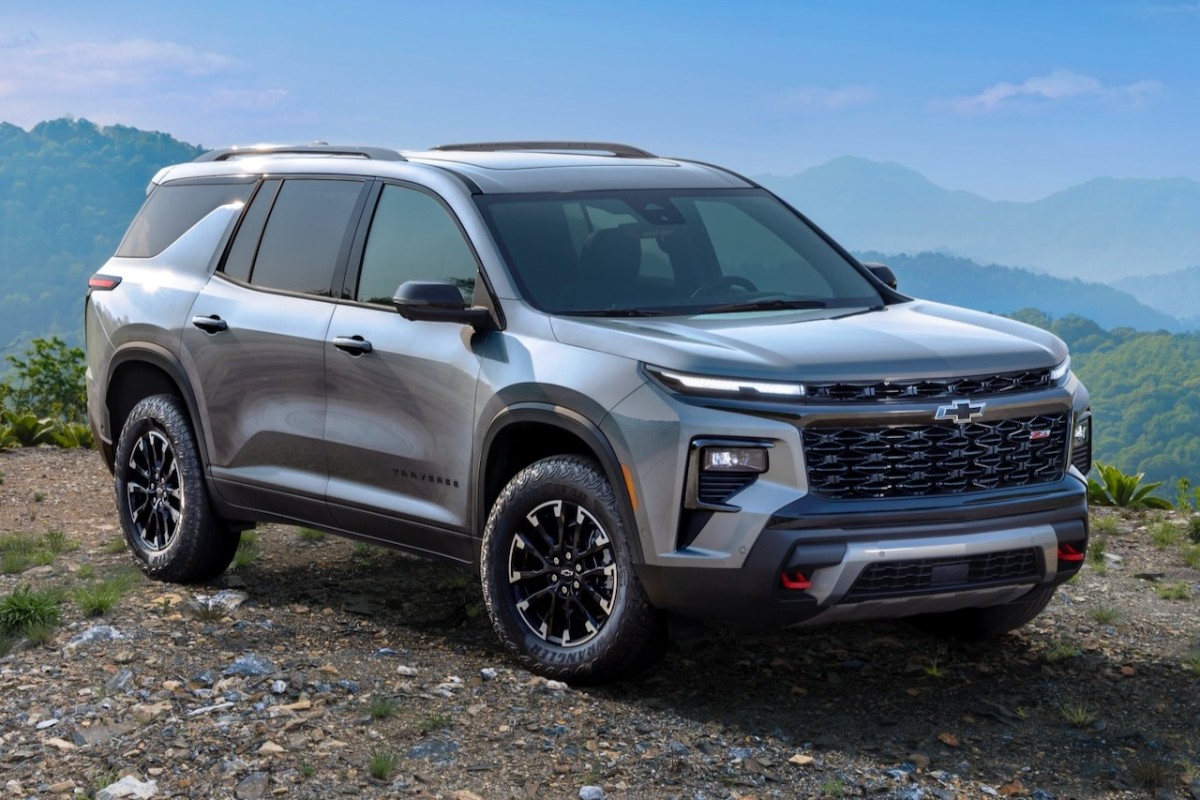
The landscape of these versatile vehicles reveals a spectrum of innovative designs and practicalities, where nimble models suit urban dwellers and spacious choices cater to large groups. Recent evolutions merge elegance with advanced power systems, providing options that blend comfort, style, and cutting-edge performance for every occasion.
Navigating the Urban Jungle with Agility
The Rise of Smaller Utility Vehicles
For those navigating tight city streets and congested parking structures, selecting the right vehicle size is often a balancing act. Drivers increasingly demand the maneuverability of a small car combined with the cargo capacity necessary for weekend getaways and social activities. This specific consumer need has driven the explosive popularity of the Compact SUV and the versatile Crossover. These vehicles prioritize ease of driving without compromising the utility that defines the segment. While the exterior dimensions are kept modest to ensure the car fits into compact spaces, modern platform design allows for surprisingly spacious interiors. Engineers have mastered the art of packaging, ensuring that rear-seat comfort and luggage space remain generous despite the smaller footprint.
One of the primary advantages of these smaller utility vehicles is the elevated driving position. This feature provides superior visibility, allowing drivers to spot hazards in heavy traffic more easily, thereby reducing the stress associated with daily commutes. Furthermore, the handling dynamics of a Crossover often mirror those of a standard sedan rather than a truck. This is largely due to their unibody construction, which offers a smoother, more connected ride compared to older, heavier utility vehicles. The result is a driving experience that feels agile and responsive, turning mundane errands into enjoyable drives.
| Feature Category | Urban-Oriented Models | Adventure-Oriented Models |
|---|---|---|
| Handling Dynamics | Sharp, car-like turning radius for city corners | Robust suspension tuning for uneven terrain |
| Exterior Profile | Sleek, aerodynamic lines for efficiency | Boxier shape with protective body cladding |
| Tire Selection | Low-rolling-resistance tires for fuel economy | All-terrain tires for grip on loose surfaces |
| Ride Height | Moderate clearance for easy entry/exit | Higher clearance to overcome obstacles |
Efficiency Meets Modern Performance
The evolution of the Compact SUV segment is not limited to physical size; there has been a significant leap in environmental performance and economic efficiency. Manufacturers have largely moved away from fuel-thirsty engines in this class, replacing them with sophisticated hybrid and plug-in hybrid powertrains. For the urban driver, this means exceptional fuel economy during stop-and-go traffic, significantly lowering the total cost of ownership. The integration of electric motors assists gasoline engines during high-load situations, such as accelerating from a traffic light, ensuring that efficiency does not come at the cost of performance.
Beyond mere practicality, the driving character of these vehicles has matured. The stigma that a practical family car must be boring to drive is fading. Many modern variants offer sporty handling and quick acceleration, thanks to the instant torque provided by electrification. This "zippy" performance makes merging onto highways or navigating roundabouts effortless. Additionally, the level of technology found in these approachable models now rivals that of premium luxury cars. Advanced noise cancellation, high-definition infotainment screens, and driver-assist systems are becoming standard, proving that choosing a smaller vehicle no longer means sacrificing premium features or a quiet, refined cabin.
Scaling Up for Family and Adventure
Maximizing Interior Real Estate
When the priority shifts from city agility to maximum passenger capacity, the Midsize SUV and Full-Size SUV segments become the gold standard. The primary allure of these larger vessels is their undeniable habitability. Designed to serve as a mobile living room, these vehicles often feature three rows of seating, comfortably accommodating seven to eight passengers. Unlike smaller counterparts where the back row is strictly for children, full-size models often ensure that adults can travel in the third row without fatigue, thanks to generous legroom and dedicated climate controls.
Storage versatility is another hallmark of this class. With the simple pull of a lever, the third and second rows can often fold completely flat, creating a cavernous cargo area capable of swallowing everything from strollers and camping gear to home improvement supplies. This flexibility is essential for active families. Furthermore, the interior appointments in this segment often lean heavily into luxury. It is common to find panoramic sunroofs that bathe the cabin in natural light, premium leather upholstery with diamond stitching, and ventilated seats that ensure comfort regardless of the season. These features transform long road trips from a chore into a first-class travel experience.
Power and Capability for the Long Haul
Moving a vehicle of such magnitude requires substantial power, and modern engineering delivers this in spades. While the industry is trending toward smaller displacement engines, the Full-Size SUV segment still retains high-output options necessary for heavy lifting. This is where the distinction in chassis design becomes important. Many robust models utilize a Body-on-Frame construction, similar to pickup trucks. This design provides the structural rigidity required for towing heavy loads, such as boats, horse trailers, or large campers. For families with an adventurous lifestyle, this towing capability is a non-negotiable factor in their purchasing decision.
However, power is not solely about brute force; it is also about confidence. Advanced four-wheel-drive systems distribute power intelligently to wheels with the most traction, ensuring stability in rain, snow, or mud. Even when fully loaded with passengers and cargo, these powertrains are calibrated to provide smooth, linear acceleration, ensuring the vehicle never feels sluggish. The suspension systems in these larger models are also tuned to absorb significant road imperfections, isolating passengers from bumps and potholes. This combination of power, stability, and ride quality makes them the ultimate choice for cross-country touring.
| Usage Scenario | Recommended Powertrain Type | Primary Benefit |
|---|---|---|
| Daily Commuting & School Runs | Self-Charging Hybrid (HEV) | seamless efficiency without plug-in anxiety |
| Short Commutes + Weekend Trips | Plug-in Hybrid (PHEV) | EV-mode for daily tasks, gas engine for range |
| Heavy Towing & Off-Roading | Turbocharged Gasoline / Diesel | High torque and sustained power delivery |
| Strictly City & Suburbs | Battery Electric (BEV) | Zero emissions and silent operation |
The Intersection of Luxury and Technology
Redefining Comfort in Every Segment
The concept of luxury in utility vehicles has shifted from being purely about size to focusing on the sensory experience. Whether in a compact crossover or a massive hauler, the quality of materials has seen a dramatic improvement. Soft-touch surfaces, open-pore wood trim, and brushed metal accents are now found across various price points, elevating the perception of quality. Interior design has become a major battleground for manufacturers, with a focus on creating a sanctuary-like atmosphere that detaches occupants from the chaos of the outside world.
A critical component of this luxury is silence. Engineers are going to great lengths to reduce Noise, Vibration, and Harshness (NVH). This involves the use of acoustic glass, additional sound-deadening materials in the wheel wells, and active noise control technology that uses the audio system to cancel out road drone. When combined with ambient lighting that can be customized to suit the driver's mood, the modern SUV cabin becomes a place of relaxation. Advanced seating with massage functions and multi-zone climate control further ensures that every passenger, regardless of where they are seated, enjoys a premium experience.
The Electrified Future of Transport
The transition toward electrification is perhaps the most significant trend reshaping the SUV market. Electric motors are inherently superior when it comes to luxury attributes; they operate silently and provide power without the vibration associated with internal combustion engines. This characteristic aligns perfectly with the goal of creating a serene cabin environment. For the daily driver, an electric crossover offers a smoothness that traditional transmissions simply cannot match. The lack of gear shifts results in uninterrupted acceleration, making the vehicle feel effortless and refined.
While range anxiety remains a consideration for some, the benefits of electric platform design are hard to ignore. By placing the heavy battery pack low in the chassis floor, these vehicles achieve a lower center of gravity, which drastically improves handling and stability—a traditional weak point for tall vehicles. This design architecture not only enhances safety but also frees up interior space, as there is no need for a bulky transmission tunnel. As charging infrastructure improves and battery ranges extend, the electrified SUV is rapidly becoming the logical choice for families seeking a blend of environmental responsibility, cutting-edge technology, and superior driving dynamics.
Q&A
What are the key differences between a compact SUV and a midsize SUV?
Compact SUVs are generally smaller and more fuel-efficient compared to midsize SUVs. They offer easier maneuverability in urban settings and are often more affordable. Midsize SUVs, on the other hand, provide more interior space, better towing capacity, and usually come with more powerful engine options, making them suitable for families and long-distance travel.How does a full-size SUV differ from a crossover?
Full-size SUVs are typically built on a truck platform using a body-on-frame design, which provides superior towing capabilities and off-road performance. They are larger and offer more interior space. Crossovers, however, are built on a car platform with a unibody design, offering better fuel efficiency, a smoother ride, and easier handling, making them ideal for city driving.What is the significance of a body-on-frame design in SUVs?
The body-on-frame design is crucial for SUVs that are intended for heavy-duty tasks such as towing and off-road driving. This design provides greater durability and strength, allowing the vehicle to withstand rough terrains and heavy loads. It is commonly used in full-size SUVs and some midsize SUVs that are aimed at providing superior off-road capabilities.Why might someone choose a crossover over other types of SUVs?
A crossover might be preferred for its car-like handling and superior fuel efficiency, which are advantageous for daily commuting and city driving. Its unibody platform design results in a lighter vehicle with improved ride comfort and interior space utilization, making it a popular choice for those who prioritize comfort and efficiency over rugged performance.What role does platform design play in determining the type of SUV?
Platform design is fundamental in defining the vehicle's capabilities and characteristics. SUVs built on a body-on-frame platform tend to offer better off-road performance and towing capacity, typical of full-size and some midsize SUVs. Meanwhile, a unibody platform, commonly used in crossovers and compact SUVs, provides a lighter structure with improved fuel efficiency and ride comfort, catering to urban and suburban drivers.