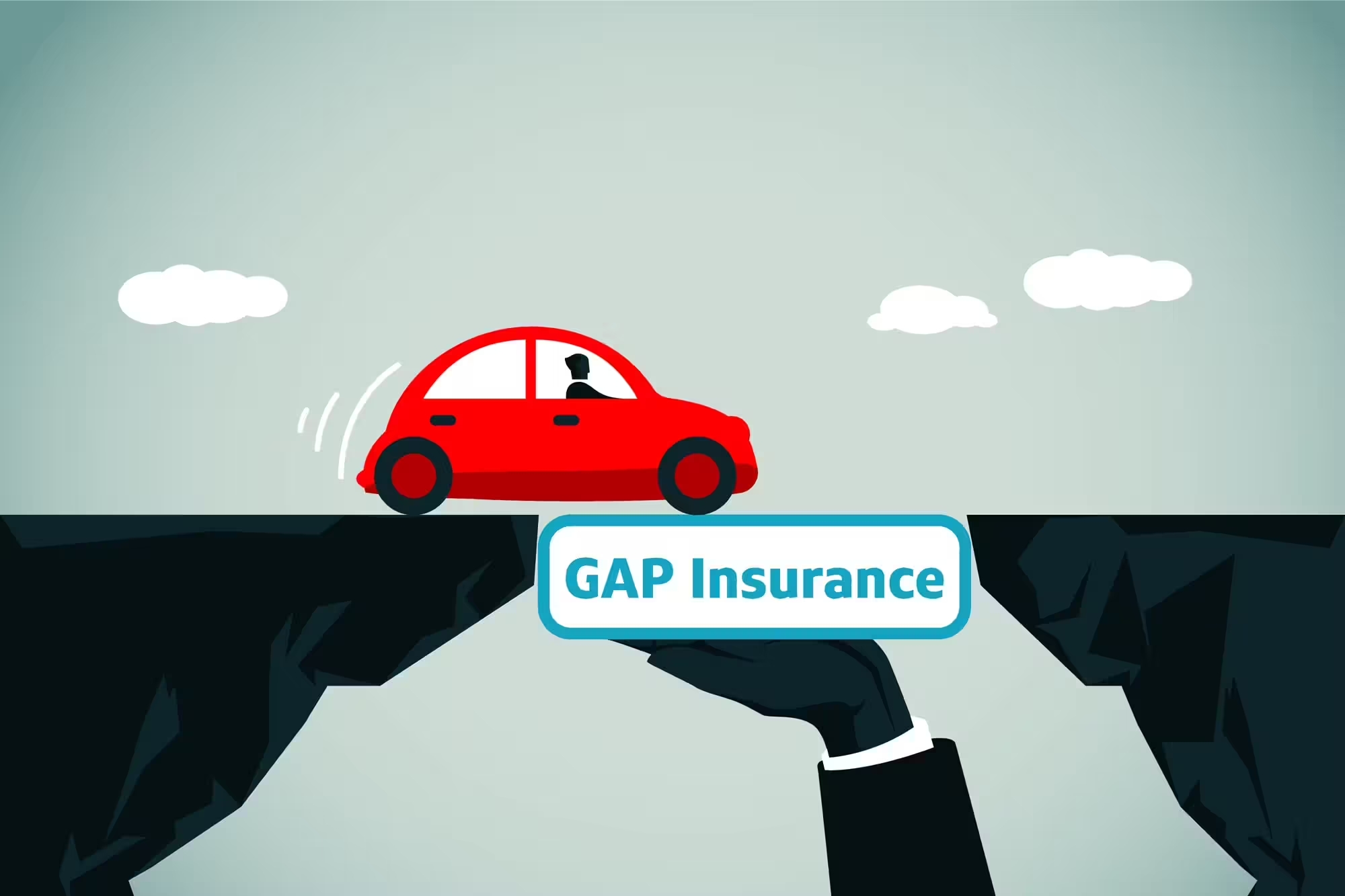
As vehicles depreciate faster and loan terms grow longer, a gap can quietly form between what a car is worth and what is still owed. This coverage emerged to address that mismatch, shaping how borrowers, lenders, and insurers manage financial risk after severe, unexpected losses.
Understanding the Purpose of GAP Insurance
GAP insurance exists to address a specific imbalance in auto financing. To appreciate its role, it helps to first understand how vehicle value and loan balances move in opposite directions over time.
The Gap Between Market Value and Loan Balance
From the moment a vehicle is driven off the lot, its market value typically begins to decline, while the loan balance decreases more slowly during the early repayment period. This creates a scenario where the outstanding loan can exceed the vehicle’s actual cash value.
When a severe incident renders the vehicle unusable, standard auto insurance usually pays only the current market value. GAP Coverage for Totaled Car is designed to address the remaining difference so the borrower is not left repaying a loan for a car they no longer have.
Why Traditional Auto Insurance Falls Short
Conventional auto policies focus on repairing or replacing the vehicle itself, not the financing attached to it. They are structured around asset replacement rather than debt settlement.
GAP insurance complements this structure by covering the financial shortfall tied to the loan or lease. It does not replace comprehensive or collision insurance, but instead fills a narrow yet critical coverage gap.
How GAP Coverage Works in Real Scenarios
The mechanics of GAP insurance become clearer when viewed through practical outcomes rather than abstract definitions. Its value lies in how claims are resolved after major losses.
Coverage Following a Total Loss Determination
When an insurer declares a vehicle a total loss, it issues a settlement based on market valuation methodologies. GAP Coverage for Totaled Car activates after this payout is applied to the loan balance.
The coverage typically pays the remaining eligible balance directly to the lender. This process helps prevent borrowers from carrying unsecured debt tied to a destroyed or stolen vehicle.
Limitations and Common Exclusions
GAP insurance does not cover every possible expense. Items such as overdue payments, extended warranties, or add-on products are often excluded. Coverage is generally limited to the loan balance difference at the time of loss.
Understanding these boundaries is essential, as unrealistic expectations can lead to confusion during claims. Policy language defines precisely what qualifies as an eligible gap.
Cost Considerations and Value Assessment
While GAP insurance can offer peace of mind, it also represents an additional cost layered onto vehicle financing. Evaluating its value requires understanding how costs are structured and what factors influence them.
What Influences Car Loan GAP Insurance Cost
Car Loan GAP Insurance Cost is shaped by factors such as loan structure, vehicle type, and how the coverage is purchased. Coverage offered through a lender may be bundled into financing, while independent policies may be paid separately.
The cost is also influenced by how long the loan is expected to remain upside down, meaning the balance exceeds the vehicle’s value. Longer terms and smaller down payments generally increase this risk window.
Balancing Cost Against Financial Exposure
The value of GAP insurance lies in risk mitigation rather than everyday use. Borrowers who anticipate limited equity for an extended period may find the tradeoff reasonable.
Others with rapid equity buildup or additional financial reserves may view the cost as unnecessary. The decision often hinges on personal risk tolerance rather than a single financial formula.
Lender Perspectives and GAP Requirements
Not all decisions about GAP insurance are left entirely to borrowers. Lenders also have a vested interest in how their collateral is protected.
Why Some Lenders Encourage or Require Coverage
Lender GAP Requirements may arise when financing structures expose lenders to higher loss risk. In such cases, GAP insurance ensures that the outstanding balance can be recovered even if the collateral is lost.
These requirements are more common with longer loan terms or low initial equity. From the lender’s standpoint, GAP coverage stabilizes recovery expectations without altering loan pricing.
Borrower Rights and Policy Flexibility
Even when lenders require GAP insurance, borrowers often retain flexibility in how they obtain it. In many cases, coverage from alternative providers may satisfy lender conditions.
Borrowers should carefully review loan agreements to understand whether coverage is optional, required, or subject to specific standards.
Alternatives and Situations Where GAP May Not Be Necessary
GAP insurance is not the only way to manage depreciation risk. Depending on circumstances, other strategies may offer similar or better protection.
Exploring Alternatives to GAP Insurance
Alternatives to GAP Insurance include making a larger down payment, choosing shorter loan terms, or selecting vehicles with slower depreciation patterns. Some borrowers rely on savings or supplemental coverage to offset potential losses.
These approaches reduce or eliminate the negative equity window rather than insuring against it. The effectiveness depends on disciplined financial planning.
Knowing When to Waive GAP Insurance
When to Waive GAP Insurance often becomes clear once the loan balance aligns more closely with market value. Borrowers with significant equity or near loan payoff may no longer benefit from continued coverage.
In such cases, maintaining GAP insurance may provide little practical value. Periodic reassessment helps ensure coverage decisions remain aligned with financial reality.
Policy Cancellation and Refund Considerations
Because financial circumstances evolve, many borrowers eventually reconsider their GAP coverage. Understanding refund mechanics is an important part of that evaluation.
How GAP Insurance Refund Policy Typically Works
A GAP Insurance Refund Policy generally applies when coverage is canceled early or the loan is paid off ahead of schedule. Refunds are often calculated on a prorated basis, reflecting unused coverage time.
The exact process depends on the policy issuer and how the coverage was purchased. Some refunds are automatic, while others require a formal request.
Timing and Documentation Requirements
Refund eligibility often hinges on timely notification and supporting documentation, such as proof of loan payoff. Delays can reduce or eliminate refund amounts.
Borrowers who proactively monitor their loan status are better positioned to recover unused premiums and avoid paying for unnecessary coverage.
Evaluating GAP Insurance as Part of a Broader Strategy
GAP insurance should not be viewed in isolation. Its relevance is best assessed as part of an overall vehicle financing and risk management strategy.
Integrating Coverage With Loan Planning
When considered early, GAP insurance can align with broader decisions about loan length, vehicle choice, and payment structure. Thoughtful integration reduces reliance on reactive solutions later.
Rather than defaulting to inclusion or exclusion, borrowers benefit from viewing GAP insurance as a conditional tool tied to specific risk periods.
Reassessing Coverage Over Time
As loan balances decline and equity builds, the need for GAP coverage often diminishes. Periodic review ensures that coverage decisions reflect current financial exposure rather than past assumptions.
This dynamic approach prevents over-insurance while preserving protection when it is most meaningful.
| Coverage Stage | Recommended Action | Financial Logic |
|---|
| Early loan period | Consider maintaining coverage | Highest equity gap risk |
| Mid-loan period | Review balance vs value | Risk may be declining |
| Late loan period | Evaluate cancellation | Limited remaining exposure |
Q&A
Q: What exactly is GAP Coverage for Totaled Car situations?
A: GAP Coverage for Totaled Car applies when a vehicle is declared a total loss and the insurance payout does not cover the remaining loan balance. The coverage pays the eligible difference so the borrower is not left with unpaid auto loan debt.
Q: How is Car Loan GAP Insurance Cost usually structured?
A: Car Loan GAP Insurance Cost is typically structured as either a bundled financing add-on or a standalone policy. The cost reflects factors like loan duration, vehicle depreciation patterns, and how long negative equity is expected to last.
Q: Are Lender GAP Requirements mandatory for all auto loans?
A: Lender GAP Requirements are not universal. Some lenders require coverage for higher-risk loan structures, while others merely recommend it. The obligation depends on loan terms and lender policies.
Q: What are practical Alternatives to GAP Insurance?
A: Alternatives to GAP Insurance include larger down payments, shorter loan terms, and maintaining savings to cover potential shortfalls. These approaches aim to reduce or eliminate negative equity rather than insure against it.
Q: How does a GAP Insurance Refund Policy affect early loan payoff?
A: A GAP Insurance Refund Policy may allow borrowers to recover unused premiums if the loan is paid off early or coverage is canceled. Refunds are often prorated and may require documentation to process.