
Used Car

The Pre-Owned Vehicle as a Long-Distance Companion

12/23/2025

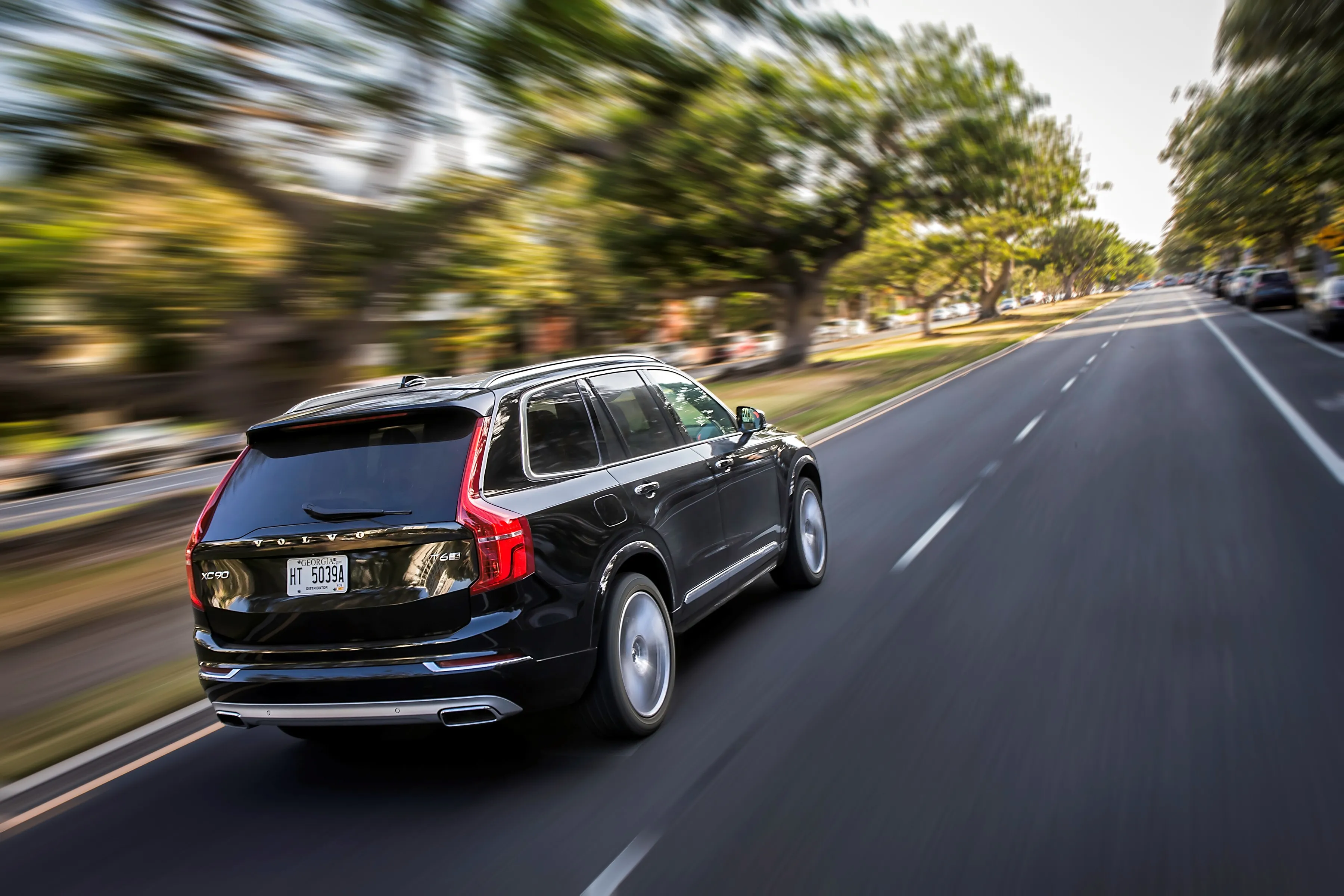
Choosing a vehicle for extensive travel involves a unique set of priorities that differ from those for routine commuting. While any car can cover miles, a true distance-eater blends efficiency, durability, and driver well-being into a single, reliable package. The used car market offers compelling options for this role, provided selection is guided by specific mechanical and experiential criteria.
The Pre-Owned Vehicle as a Long-Distance Companion

Prioritizing Selection for Extended Travel

The foundation of a positive long-distance ownership experience is laid during the selection process. Vehicles suited for this purpose must excel in areas that directly impact cost per mile, occupant fatigue, and overall journey satisfaction. Focusing on these attributes from the outset filters out unsuitable candidates and highlights those engineered for the open road.

The Critical Role of Sustained Comfort

On a multi-hour drive, a vehicle's comfort features importance transitions from a luxury to a fundamental necessity. Ergonomic support is paramount. Look for seats with ample, adjustable lumbar support and side bolstering that are comfortable after a sixty-minute sit. Adjustable armrests and a steering wheel with both tilt and telescopic adjustment allow for a personalized, relaxed driving position. Effective cabin insulation from road, wind, and engine noise dramatically reduces auditory fatigue, making conversations easier and the journey less taxing. Dual-zone or robust climate control ensures all occupants remain content. Features like adaptive cruise control, which maintains a set distance from traffic ahead, and lane-keeping assist can significantly reduce the cognitive load on the driver during monotonous highway stretches, directly enhancing safety and reducing stress.

The Economics of Highway Fuel Efficiency

When planning for consistent long-distance travel, highway fuel efficiency becomes a central financial and logistical consideration. A vehicle's EPA highway rating provides a baseline, but real-world efficiency at sustained speeds is key. Generally, vehicles with smaller-displacement turbocharged engines, modern multi-speed automatic transmissions (8-speed or more), or hybrid powertrains tend to excel in steady-state cruising. Aerodynamic design also plays a major role; sleek sedans and wagons often achieve better highway mileage than boxy SUVs with the same engine. The cumulative savings from even a few extra miles per gallon translate directly into lower fuel costs over thousands of miles, impacting the total cost of ownership far more than for a city-only vehicle. Prioritizing efficiency means more distance between fuel stops and more money retained in your budget.

Assessing Mechanical Suitability for the Long Haul

A comfortable and efficient vehicle is of little use if it is not mechanically robust. The sustained loads of highway driving place specific demands on a car's major systems. A pre-purchase evaluation must therefore focus on the health and history of components critical to sustained, reliable performance.

Factors Influencing Engine and Drivetrain Longevity

Engine longevity factors for a long-distance vehicle are heavily influenced by its maintenance history and design. Proven, naturally aspirated engine architectures with timing chains (as opposed to interference belts that require periodic replacement) often have reputations for high-mileage durability. A comprehensive service history showing regular oil changes with the correct specification of synthetic oil is a strong positive indicator. During a test drive, the engine should start promptly, idle smoothly, and deliver power linearly without hesitation or excessive smoke from the exhaust. The cooling system is equally vital; it must maintain optimal temperature under sustained load. Check for signs of coolant leaks, inspect the radiator fins for debris, and ensure the coolant reservoir shows fluid at the proper level and color. The transmission should shift smoothly and decisively, without slipping, harsh engagements, or whining noises during acceleration.

The Impact of Suspension and Tire Health

Often overlooked, the state of the suspension system has a profound suspension wear impact on both safety and comfort during long trips. Worn shocks and struts compromise vehicle stability, leading to excessive body roll, longer stopping distances, and poor control during evasive maneuvers or in crosswinds. They also fail to keep tires firmly planted on the road, reducing grip. Listen for clunks or rattles from the chassis over bumps, which indicate worn bushings or ball joints. A professional inspection should measure brake pad and rotor thickness, as highway driving often involves sustained braking from high speeds when exiting freeways. Equally important are the tires. They should have substantial, even tread wear, be free of cracks or bulges, and all be of the same type, size, and approximate wear level to ensure predictable handling. A proper wheel alignment is essential to prevent premature tire wear and steering pull, which becomes fatiguing over hundreds of miles.

Ensuring Reliability and Planning for the Future

Acquiring the right vehicle is only the first step. Ensuring its ongoing road trip reliability and integrating it into a practical long-term usage plan are what transform a purchase into a trustworthy travel partner. This phase involves proactive preparation and a forward-looking maintenance strategy.

Building a Foundation of Trustworthiness

Reliability for long-distance travel is built on verification and prevention. Before purchase, a vehicle history report is essential to rule out prior severe accidents or flood damage that could compromise structural integrity. Following purchase, immediate preventative maintenance is the wisest course. This "baselining" should include replacing all fluids (engine oil, coolant, transmission, brake, and differential), even if the seller claimed recent service. Install a new set of high-quality tires suited for highway travel, and replace the cabin air filter. Carry a basic emergency kit tailored for long trips, including a first-aid kit, warning triangles, a flashlight, jumper cables, basic tools, and extra water. This proactive approach addresses potential failure points before they can strand you far from home.

Strategic Planning for Sustained Use

Long-term usage planning for a distance-focused vehicle requires a different mindset than for casual use. Your maintenance schedule should be dictated more by mileage than by time. Keep a detailed log of all services. Budget for larger, mileage-based interventions that are critical for highway health, such as changing differential fluid, replacing spark plugs, and inspecting the serpentine belt and tensioner. Periodically check for fluid leaks and listen for new noises. Consider investing in a high-quality roadside assistance plan that offers substantial towing distances. Furthermore, plan your financial strategy around higher annual mileage, which will accelerate depreciation and consumable wear items like tires and brakes. A dedicated fund for vehicle upkeep ensures you can address issues promptly, preserving the vehicle's reliability and safety for the long term.

Q&A

  1. How important are comfort features like adaptive cruise control for long-distance driving?

    While not strictly necessary, advanced comfort features like adaptive cruise control (ACC) have a transformative impact on long-distance driving fatigue. Conventional cruise control requires constant driver adjustment in traffic, leading to cognitive load. ACC automatically adjusts your speed to maintain a safe distance from the vehicle ahead, allowing you to focus more on overall traffic flow and steering. This reduces mental fatigue, stress in congested areas, and the physical fatigue from constantly moving your foot between the accelerator and brake. For drivers who regularly encounter variable traffic on major highways, it is a significant investment in both comfort and sustained alertness, directly contributing to safer journeys.

  2. What is the most reliable way to gauge a used car's true highway fuel efficiency before buying?

    The EPA rating is a starting point, but to gauge true highway fuel efficiency, combine research with real-world data. First, research owner forums and dedicated fuel economy websites for your specific model and engine combination; users often share their real-world highway numbers. During your test drive, if possible, include a sustained 15-20 minute stretch on a highway. Reset one of the trip computers and observe the instant and average fuel economy readout while cruising at a steady 65-70 mph. This will give you a direct, albeit brief, snapshot. Additionally, vehicles equipped with larger fuel tanks and better efficiency logically offer longer range, which is a practical benefit for reducing stops on long trips.

  3. What are the key engine longevity factors I should check in a used car meant for highway miles?

    Key engine longevity factors to verify include service history, evidence of proper cooling, and the absence of excessive wear. A consistent record of oil changes using the correct specification (often full synthetic for modern engines) is the single best indicator. Physically check the oil on the dipstick; it should be clean and at the proper level. Inspect the coolant in the overflow reservoir; it should be clear and vibrant (green, orange, pink) not rusty or murky. Look for any signs of oil or coolant leaks around the engine block, radiator, and hoses. On the test drive, ensure the engine reaches its normal operating temperature quickly and the temperature gauge remains perfectly stable, even after extended idling or a burst of acceleration. Listen for any persistent ticking, knocking, or rattling noises.

  4. Can worn suspension really impact safety on a long highway trip?

    Absolutely. The suspension wear impact on safety is direct and significant. Worn shock absorbers and struts drastically reduce the tire's contact with the road, especially over bumps or during lane changes. This leads to longer braking distances, increased risk of skidding in wet conditions, and poor stability during emergency maneuvers. A car with worn suspension may "float" or bounce excessively, making it difficult to control in crosswinds or when passing large trucks. It also increases driver fatigue as more mental effort is required to keep the vehicle precisely in its lane. Ensuring the suspension is in good condition is not just about comfort; it is a critical safety prerequisite for high-speed, long-duration driving.

  5. What should be included in a long-term usage plan for a used car driven primarily on long trips?

    A robust long-term usage plan should be mileage-centric and preventative. First, adhere strictly to the severe service maintenance schedule in the owner's manual, which is designed for sustained operation. Keep a detailed log. Second, budget proactively for high-mileage consumables: plan for tire replacements every 3-5 years, more frequent brake service, and earlier intervals for fluid changes (transmission, coolant, brake fluid). Third, before any major trip, conduct a pre-trip inspection checking tire pressure, tread, fluid levels, and lights. Finally, establish a relationship with a trusted mechanic for annual or bi-annual thorough inspections to catch worn components (like suspension bushings or belt drives) before they fail. This plan views maintenance as a scheduled, non-negotiable cost of reliable travel.