
Navigating the market for affordable transportation requires a shift in perspective from seeking the perfect car to identifying a fundamentally sound vehicle that meets core needs. This segment is defined by value retention, mechanical simplicity, and low total cost of ownership, where a well-chosen purchase can provide years of reliable service with minimal financial strain. Success here is not about finding the lowest possible price, but the optimal balance of purchase cost, reliability, and future expenses.
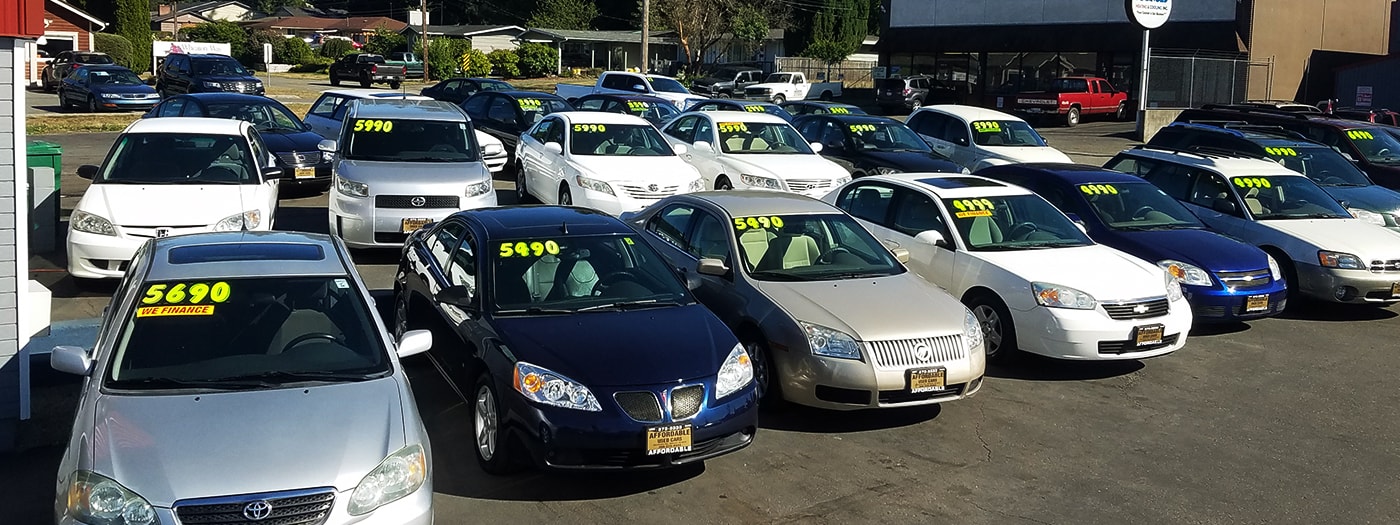
Navigating the market for affordable transportation requires a shift in perspective from seeking the perfect car to identifying a fundamentally sound vehicle that meets core needs. This segment is defined by value retention, mechanical simplicity, and low total cost of ownership, where a well-chosen purchase can provide years of reliable service with minimal financial strain. Success here is not about finding the lowest possible price, but the optimal balance of purchase cost, reliability, and future expenses.
Core Principles for Identifying Value and Reliability
The foundation of a successful purchase in the affordable segment rests on prioritizing proven engineering and comprehensive ownership costs over cosmetic appeal. Vehicles that have stood the test of time in high-volume markets often provide the most predictable performance.
Evaluating Models with Proven Durability and Simplicity
The most reliable path to value is selecting from a cohort of best budget used cars known for their durable architecture and straightforward mechanics. These are typically high-volume sedans and compact cars from manufacturers with a longstanding reputation for engineering resilience, such as Toyota and Honda. Models like the Toyota Corolla and Camry, Honda Civic and Accord, along with the Mazda3, have earned their status through decades of consistent performance. Their value lies not in advanced features but in their use of time-tested components, widespread parts availability, and design philosophies that prioritize longevity over novelty. The mechanical simplicity of these platforms often translates to lower repair costs and easier diagnostics, a critical advantage when working with independent mechanics. When evaluating a specific vehicle, a complete service history is more valuable than a low odometer reading, as it demonstrates proactive care that directly correlates to extended service life.
Conducting a Holistic Analysis of Ownership Economics
True affordability is measured by the total cost of ownership, not the sticker price. A disciplined financial assessment must account for several layered expenses beyond the sale price. Immediate post-purchase costs are almost guaranteed and should be budgeted for; these include sales tax, registration fees, and a baseline service to replace fluids, filters, and worn items like tires or brake pads. Insurance premiums can vary dramatically between models, making it essential to obtain quotes before purchase. Projected maintenance and repair costs should be researched based on the model's common failure points and the availability and price of replacement parts. A vehicle with a slightly higher initial cost but a stellar reputation for reliability and cheap parts will almost always have a lower five-year ownership cost than a deeply discounted model with known expensive or frequent repair needs. This analytical approach prevents the common pitfall of a "cheap" car becoming a financial sinkhole.
Navigating Acquisition Channels and Transaction Safeguards
Finding and securing a quality vehicle in this price range requires knowing where to look and implementing rigorous verification steps to mitigate the higher risk associated with older, high-mileage cars.
Exploring Diverse Sourcing Avenues
Where to find cheap used cars involves looking beyond a single platform. While online marketplaces offer the widest selection, they also require the highest degree of buyer diligence. Private party sales can yield better prices but transfer all risk to the buyer. Franchised dealerships may offer certified pre-owned (CPO) cars just entering this price bracket, providing valuable warranty coverage. Independent "buy-here-pay-here" lots should be approached with extreme caution, as their business model often relies on high-interest financing for vehicles with hidden issues. A frequently overlooked but valuable source is owner communities and enthusiast forums for specific models. Cars sold within these networks often have detailed maintenance records and have been cared for by knowledgeable owners, potentially offering better long-term value than a similar car from an anonymous source. Patience and daily monitoring of multiple channels are key to spotting a well-maintained example.
Implementing Non-Negotiable Pre-Purchase Verification
Given the financial constraints, skipping due diligence to save a few hundred dollars is a catastrophic error. Two checks are absolutely mandatory. First, a vehicle history report from a reputable source is essential to uncover severe accidents, flood damage, odometer fraud, or a branded (salvage) title. Second, and most importantly, an independent pre-purchase inspection by a trusted mechanic is the single best investment you can make. For a modest fee, a professional can identify thousands of dollars worth of imminent repairs—such as failing suspension components, leaking engine seals, or transmission issues—that are not apparent during a test drive. This inspection provides objective leverage for price negotiation or a clear, data-backed reason to walk away. Never allow a seller to dissuade you from this step; refusal is a major red flag.
Building a Shortlist of High-Value Candidates
Focusing your search on specific models that excel in durability, cost of operation, and value retention narrows the field to proven contenders. These vehicles represent known quantities in the used market.
Prioritizing Sedans and Hatchbacks for Maximum Efficiency
The most consistent top affordable used cars are found in the compact and midsize sedan categories. The Toyota Corolla and Honda Civic are perennial leaders, offering unparalleled reliability, excellent fuel economy, and low insurance costs. The Mazda3 (from the 2014+ Skyactiv generation onward) adds engaging driving dynamics to this formula. For those needing more space, the Toyota Camry and Honda Accord are slightly larger but maintain similar virtues of reliability and low operating costs. These models are not exciting, but they are profoundly competent and economical. Their high production volumes mean parts are inexpensive and nearly every mechanic is familiar with them. As they age, their depreciation curves flatten, meaning you can extract years of service with minimal loss of capital.
Considering Durable Alternatives with Specific Advantages
Beyond the mainstream staples, other models offer compelling value. The Honda Fit is a standout for its incredible interior space versatility, fuel efficiency, and reliability in a subcompact package. For buyers in regions with harsh winters, Subaru models like the Impreza and Legacy with their standard all-wheel drive offer unique capability, though potential buyers should research head gasket issues on specific older engine types. Some domestic models, such as the Ford Focus and Fusion (with manual transmissions or carefully vetted automatic models), can also offer significant value due to steeper initial depreciation, but require more diligent research into known powertrain issues. The goal is to match the vehicle's inherent strengths to your geographic and practical needs.
Ensuring Long-Term Value and Satisfaction
The final step is transitioning from a savvy buyer to a responsible owner, with practices that protect your investment and extend the vehicle's service life.
Adopting a Proactive Maintenance Philosophy
Immediately after purchase, perform a full "baselining" service. Replace all fluids (engine oil, coolant, transmission, brake, and power steering), filters (air, cabin, fuel), and inspect/worn items like spark plugs, belts, and hoses. This establishes a known starting point for your maintenance records and prevents failures caused by deferred upkeep. Adhere strictly to the manufacturer's maintenance schedule, keeping a detailed log of all services. Addressing minor issues promptly—a small oil leak, a worn wheel bearing noise—prevents them from escalating into major, costly repairs. This disciplined approach is the most effective way to ensure reliability and preserve the car's high resale value when you eventually decide to sell.
Viewing Ownership as a Financial Partnership
Your first affordable used car should be viewed as a tool and a financial lesson. It teaches the real costs of mobility: depreciation, insurance, maintenance, and fuel. By choosing wisely and maintaining diligently, you demonstrate that transportation need not be a burdensome expense. When the time comes to upgrade, the knowledge gained—how to inspect a car, negotiate, and maintain it—will make you a far more empowered consumer. The vehicle that reliably served your needs while retaining a respectable portion of its value is the ultimate testament to a successful purchase in the affordable used car market.
Q&A
Q: What are the most reliable used cars I can buy for under $10,000?
A: For used cars under $10,000, focus on high-volume, durable models like the Toyota Corolla, Honda Civic, Mazda3, and Toyota Camry. Aim for examples with complete service records, even if mileage is higher. A well-maintained 120,000-mile Corolla is often a better bet than a neglected 80,000-mile luxury car at the same price.
Q: Where is the safest place to find a cheap used car?
A: There is no single "safest" place, but risk can be managed. Reputable franchised dealerships selling CPO cars offer warranties. For private party sales, look for sellers with long-term ownership and meticulous records. Always, regardless of source, invest in an independent pre-purchase inspection to uncover hidden problems before you buy.
Q: Do cheap used cars hold their value well?
A: The used cars with the highest resale value are typically the same models known for reliability: Toyotas and Hondas. Because they are in constant demand for their durability, their depreciation slows significantly after the initial steep drop. This means you can often sell them for a respectable percentage of your purchase price after several years of use, reducing your net ownership cost.
Q: How can I avoid buying a cheap used car that needs expensive repairs immediately?
A: The only surefire method is the pre-purchase inspection. A mechanic will put the car on a lift, check for leaks, worn suspension and brake components, and test major systems. They can identify $2,000 in needed repairs that you'd never see on a test drive. Consider this fee essential insurance against buying a project disguised as transportation.
Q: Is it worth paying more for a used car from a known reliable brand?
A: Almost always, yes. The slightly higher upfront cost for a Toyota or Honda is an investment in predictability and lower total cost of ownership. You are paying for proven engineering, cheaper and easier repairs, and better fuel economy. This premium is usually recouped through lower repair costs, better fuel efficiency, and stronger resale value over just a few years of ownership.