
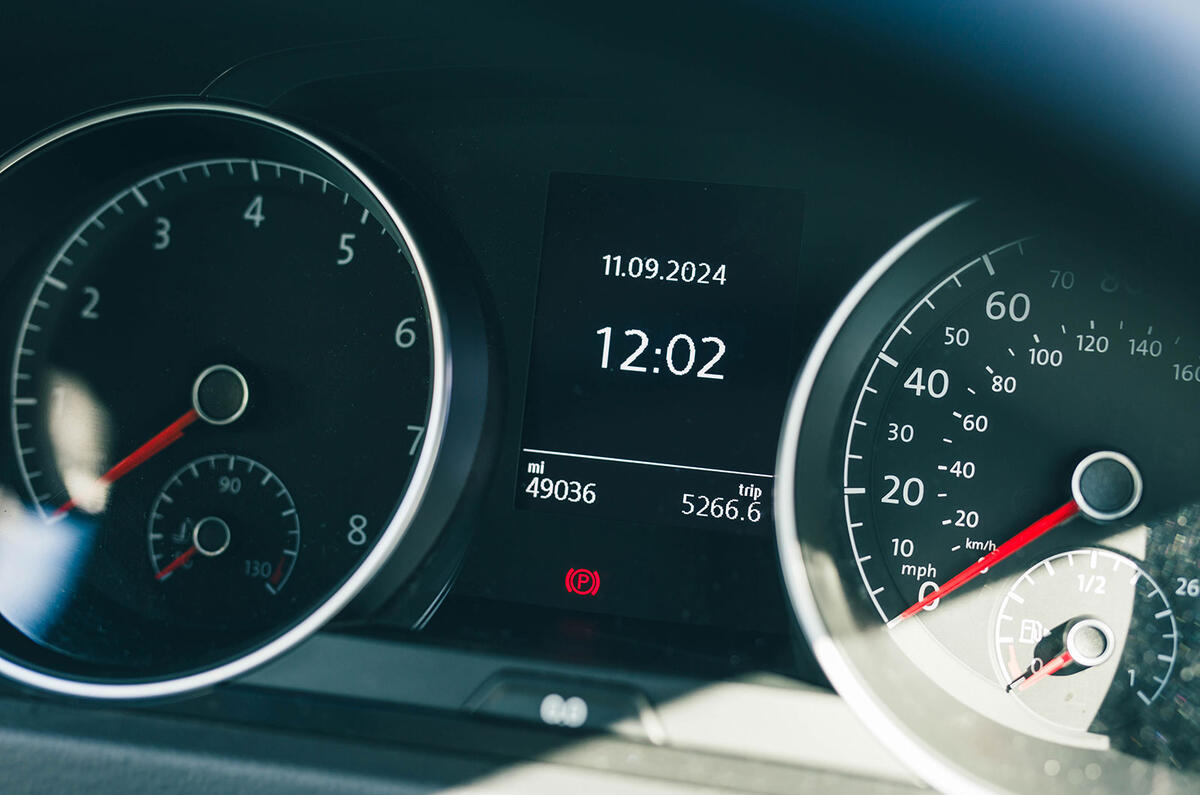
The odometer reading on a used car can evoke apprehension, often serving as a primary filter in the search process. However, a high figure on the dial does not inherently signal the end of a vehicle's useful life. Instead, it invites a more nuanced evaluation, where documented care, mechanical condition, and design intent become far more significant than the total distance traveled. Understanding this distinction is key to unlocking exceptional value and long-term reliability.
Rethinking the Odometer: A Broader Perspective
The initial fear associated with a high mileage vehicle often stems from generalizations. A more productive approach involves shifting focus from the mileage number itself to the story behind it and the tangible condition it has produced. This perspective separates well-maintained highway cruisers from neglected low-mileage examples.
Moving Beyond the Number: The Mileage vs. Condition Paradigm
The core principle for evaluating any used vehicle, especially one with elevated mileage, is that mileage vs condition is the true debate. A vehicle with 150,000 miles of primarily relaxed highway driving, accompanied by fastidious maintenance, can be in objectively superior mechanical shape to one with 70,000 miles of aggressive stop-and-go city driving and neglected services. Highway miles place relatively low stress on components like brakes, clutches, and suspension, while consistent operation at optimal temperature is kinder to the engine and drivetrain. The assessment, therefore, must be physical and historical, not numerical. The wear on the driver's seat, pedals, and steering wheel often tells a more honest story about use than the odometer.
Debunking Common High Mileage Myths
Several persistent high mileage myths can cloud judgment. One major myth is that a vehicle's value or life is directly and linearly tied to its mileage, leading to automatic disqualification beyond an arbitrary threshold. Another is the assumption that all high-mileage cars are on the verge of catastrophic, expensive failure. In reality, modern vehicles are engineered for durability, and major components that survive the early part of their lifespan often settle into a long period of reliable service if properly maintained. The idea that "everything will wear out at once" is also false; while maintenance needs may become more frequent, they are typically predictable and manageable. Dispelling these myths is the first step toward making a rational, value-driven decision.
The Critical Evaluation of Mechanical Integrity
Once a mindset focused on condition is established, the inspection process must zero in on specific, verifiable indicators of mechanical health. These checks provide concrete evidence of how the vehicle has weathered its miles and what its future may hold.
Interpreting Physical Signs of Powertrain Health
Evaluating engine wear indicators requires a multi-sensory approach. A compression or leak-down test, performed by a mechanic, provides quantitative data on the internal seal of the cylinders. However, observable signs are also telling. Check the oil on the dipstick; it should be at the proper level and not appear excessively thin, gritty, or have a milky consistency. Upon a cold start, listen for any pronounced knocking or rattling that diminishes as the engine warms—a potential sign of bearing wear. Observe the exhaust at startup and under acceleration; persistent blue smoke indicates oil burning, while white smoke could signal coolant intrusion. The transmission should shift smoothly and decisively; slipping, harsh engagements, or fluid that is dark and smells burnt are serious concerns. These are the direct testimonials of the powertrain's life.
The Non-Negotiable Value of Documented Care
For a high-mileage vehicle, the maintenance history importance cannot be overstated. A comprehensive, verifiable service record is more valuable than any extra feature. It provides a chronological map of the vehicle's care, showing regular oil changes with the correct specifications, timely replacement of critical wear items like timing belts, water pumps, and coolant, and attention to drivetrain fluids. It demonstrates a pattern of proactive, rather than reactive, ownership. A car with a thick folder of receipts from a trusted shop or dealership inspires infinitely more confidence than a low-mileage car with no history. This documentation is the single best predictor of long-term reliability, as it shows the foundational maintenance that prevents premature wear has been performed.
Strategic Considerations for Ownership and Value
Choosing a high-mileage vehicle is a calculated decision that extends beyond the initial purchase. It involves a clear-eyed analysis of total cost, a plan for future upkeep, and an understanding of the vehicle's realistic remaining lifecycle.
Conducting a Comprehensive Cost-Benefit Analysis
A thorough cost benefit evaluation is essential. The primary benefit is a significantly lower purchase price compared to a lower-mileage equivalent. This upfront saving must be weighed against probable near-term costs. Budget immediately for a thorough baseline service: replacing all fluids (engine, transmission, brake, coolant, differential), filters, and potentially wear items like spark plugs and the serpentine belt. Consider the remaining life of high-cost components like the clutch, suspension shocks/struts, and the original exhaust system. The evaluation is not just about repair costs, but also about depreciation; a high-mileage car has already experienced its steepest depreciation, so its value may stabilize, whereas a newer car will lose value rapidly. This makes it a potentially excellent choice for those who plan to drive the vehicle for many additional miles.
Planning for Sustained Reliability and Final Ownership Phase
To ensure long-term reliability, adopt a mindset of preventative, mileage-based maintenance. Adhere strictly to the "severe service" schedule in the owner's manual. Build a relationship with a trusted mechanic for regular inspections to catch issues like worn bushings, minor leaks, or aging rubber components before they strand you. Embrace the philosophy that you are maintaining a proven, durable asset rather than preserving a pristine low-mileage specimen. Understand that you are likely entering the final third of the vehicle's mechanical life, where the goal is to maximize safe and reliable service for the money invested. With diligent care, a well-chosen high-mileage vehicle can provide many thousands of miles of dependable transportation, representing one of the most cost-effective forms of personal mobility available.
Q&A
Q: At what mileage should I be concerned about buying a used car?
A: There is no universal "danger" mileage. Concern should be based on condition, maintenance history, and the specific model's reputation, not the odometer alone. A 200,000-mile Toyota Avalon with full records can be a better bet than an 80,000-mile luxury car with no history. Let the vehicle's proven state guide you, not an arbitrary number.
Q: What are the most important engine wear indicators to check?
A: Key indicators include: oil condition and consumption (check dipstick, look for leaks or blue exhaust smoke), compression/leak-down test results, unusual noises (knocking, ticking), and coolant integrity (no oil mixing, no overheating). A professional pre-purchase inspection is crucial to properly assess these.
Q: Is a full service history really that important for a high-mileage car?
A: Yes, it is paramount. For a high-mileage vehicle, a complete maintenance history is the strongest possible indicator of its past care and future reliability. It proves critical preventative work was done on time. A car without a history is a gamble, as you have no way of knowing if essential services were performed.
Q: Is it true that highway miles are "easier" on a car than city miles?
A: Generally, yes. Sustained highway driving allows the engine to operate at efficient, stable temperatures with minimal thermal cycling. It involves far fewer stressful events like cold starts, hard acceleration from stops, and frequent braking. This typically results in less wear on the engine, transmission, brakes, and clutch compared to an equivalent number of stop-and-go city miles.
Q: How do I evaluate if a high-mileage car is a good financial deal?
A: Conduct a total cost evaluation. Add the purchase price to the estimated cost of an immediate full baseline service and any imminent repairs (like tires or brakes). Compare this total to the cost of a lower-mileage alternative. If the high-mileage option saves you significant money upfront, even after budgeting for maintenance, and the vehicle has a strong reliability record, it often represents a superior financial value, especially if you plan to drive it for several more years.