
Navigating life's journeys becomes more reassuring when surrounded by cutting-edge innovations that prioritize protection on the road. Today's versatile family cars offer a harmonious blend of technological advancements, enhancing visibility and offering secure environments with remarkable adaptability to various driving conditions, ensuring peace of mind throughout every adventure.
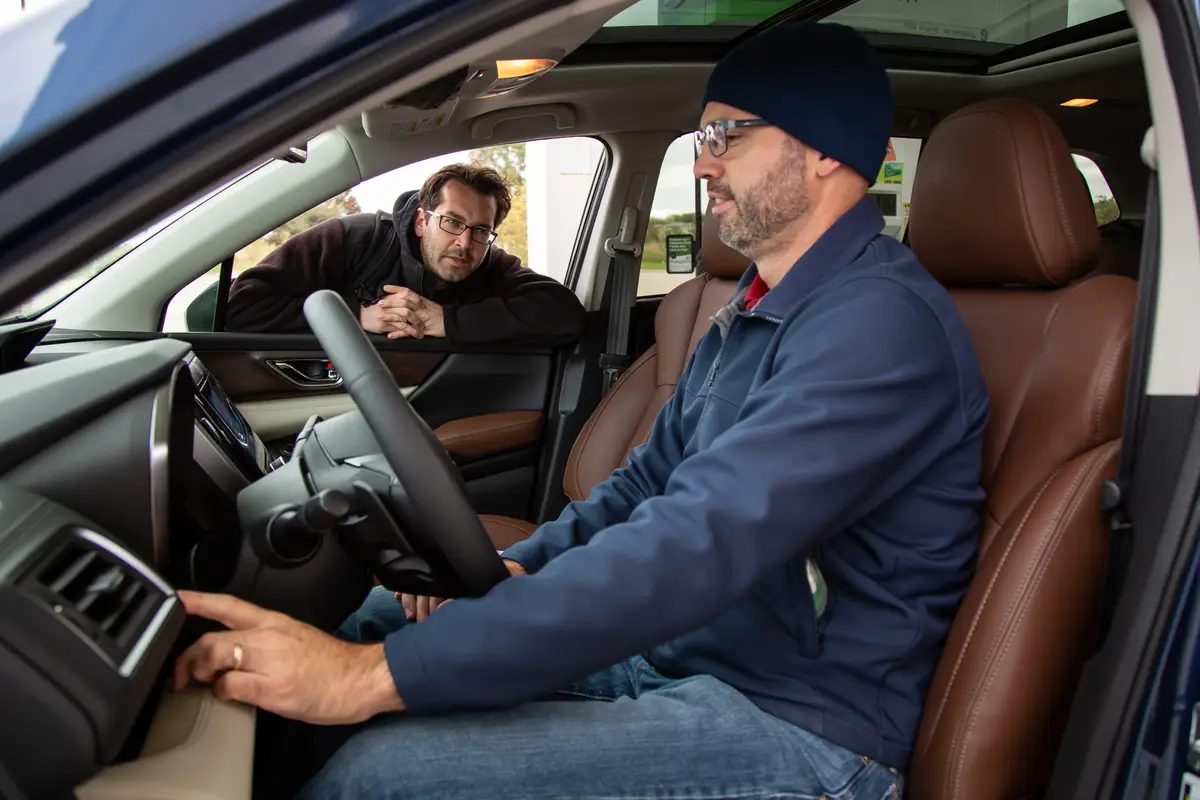
Navigating life's journeys becomes more reassuring when surrounded by cutting-edge innovations that prioritize protection on the road. Today's versatile family cars offer a harmonious blend of technological advancements, enhancing visibility and offering secure environments with remarkable adaptability to various driving conditions, ensuring peace of mind throughout every adventure.
The Evolution of Intelligent Intervention
From Surviving Impacts to Avoiding Them
The philosophy behind protecting passengers has undergone a radical transformation in recent years. Historically, the benchmark for a secure vehicle was its physical ruggedness—essentially, how well the steel frame could withstand a collision. While structural integrity remains fundamental, the modern approach has shifted decisively toward prevention. The goal is no longer just to survive an accident but to ensure it never happens in the first place. This paradigm shift is powered by a sophisticated fusion of sensing technologies. Contemporary family haulers are equipped with an array of cameras, radar systems, and increasingly, LiDAR sensors. These act as a digital second pair of eyes, constantly scanning the environment for hazards that might escape human detection.
This network of sensors works in unison to monitor dynamic variables such as the speed of surrounding traffic, the trajectory of pedestrians at crosswords, and the sudden appearance of cyclists. When the system detects an imminent threat—such as a vehicle in a blind zone or a child darting into the street—it can instantaneously calculate the risk and intervene. This intervention ranges from audible warnings to autonomous emergency braking, where the car physically stops itself to mitigate or avoid a collision. In current assessment programs, these crash-avoidance capabilities are weighted just as heavily as physical crashworthiness. For parents distracted by the chaos of family life, knowing that the vehicle’s reflexes can compensate for a split-second lapse in concentration provides an invaluable layer of reassurance.
Monitoring the Human Element
Technological vigilance is no longer limited to the road ahead; it has turned its gaze inward to the driver. Long road trips, holiday traffic, and the daily school run can lead to fatigue, which is a leading cause of accidents. To combat this, manufacturers are integrating advanced driver monitoring systems designed to track the person behind the wheel. Using infrared cameras and biometric algorithms, these systems analyze subtle cues such as eye movement, blink rate, head orientation, and even heart rate variability. The objective is to identify early signs of drowsiness or distraction before they result in unsafe driving behavior.
If the system determines that the driver's attention is wandering or that they are falling asleep, it issues a multi-stage alert involving visual warnings, sounds, or seat vibrations to prompt a break. Furthermore, the longevity of these systems is being extended through over-the-air (OTA) software updates. Much like a smartphone, the vehicle’s safety software can be upgraded remotely, ensuring that the detection algorithms and response protocols remain state-of-the-art years after the vehicle was purchased. This evolution means that the car grows smarter over time, maintaining a high level of vigilance that protects the family long-term.
Prioritizing the Most Vulnerable Passengers
The Renaissance of Rear-Seat Protection
For a long time, automotive design focused disproportionately on front-seat occupants. However, regarding family transport, the rear seats are often where the most precious cargo resides. Recent engineering trends have placed a renewed spotlight on the second and third rows, ensuring that children receive a level of protection commensurate with adults. This goes beyond airbags; it encompasses the entire user experience of securing a child. Engineers are now designing door apertures that are wider and steps that are lower, reducing the physical strain on parents when loading infants or helping toddlers climb in.
A critical aspect of this evolution is the standardization and accessibility of child seat anchors, such as the LATCH or ISOFIX systems. In older models, locating these metal loops could be a frustrating exercise in digging between cushions. Modern designs prioritize visibility and ease of access, acknowledging that a car seat is only safe if it is installed correctly. Furthermore, "rear seat reminder" technology has become a vital feature. By monitoring rear door usage or detecting weight on the seats, the vehicle reminds drivers to check the back before walking away, acting as a safeguard against the tragic oversight of leaving a sleeping child or pet behind in a parked car.
| Feature Category | Traditional Approach | Modern Family-Focused Approach |
|---|---|---|
| Child Seat Installation | Hidden anchors deep in seat cushions; difficult to access. | Exposed or guided anchors; designed for quick, error-free attachment. |
| Rear Occupant Safety | Basic seatbelts; limited airbag coverage. | Pretensioners, load limiters, rear-specific airbags, and reminder alerts. |
| Door Design | Standard opening angles; high step-in height. | 90-degree opening capability; lower sills for easy loading of carriers. |
| Climate Control | Dependent on front airflow; single zone. | Dedicated rear zones and vents to prevent overheating and fussiness. |
Deciphering the Details of Crash Assessments
When selecting a vehicle for family duty, parents often rely on the overall "star rating" provided by testing agencies. However, a single aggregate score can sometimes obscure vital details regarding specific crash scenarios. It is crucial to look beyond the headline number and investigate the sub-scores, particularly those distinguishing between adult and child occupant protection. It is entirely possible for a vehicle to offer excellent protection for the driver while performing mediocrely for rear-seat passengers.
Sophisticated shoppers now analyze how vehicles perform in varied impact scenarios, such as the "offset" frontal crash, which simulates a collision with an oncoming vehicle on a narrow road, or side-impact tests that mimic an intersection crash. Modern assessment criteria have become far more stringent regarding rear-seat kinematics—specifically, how well the seatbelts prevent a child's head from striking the interior or sliding under the belt (submarining). High scores in these specific granular categories indicate that the manufacturer has invested in advanced restraint systems, such as rear seatbelt pretensioners and load limiters, which were once exclusive to front seats. Understanding these nuances is the first step in choosing a vehicle that truly safeguards the entire family.
Mastering Visibility and Dynamics
Erasing the Invisible Zones
Larger vehicles naturally come with larger blind spots, a reality that can induce anxiety during highway lane changes or tight maneuvering. The traditional "shoulder check" is essential, but it is fallible, especially when the cabin is full of passengers or luggage blocking the view. To address this, the "Blind Spot Monitoring" (BSM) system acts as an indispensable ally. Using radar sensors mounted on the rear corners of the vehicle, BSM detects traffic approaching from behind in adjacent lanes. It alerts the driver via illuminated icons in the side mirrors or audible chimes, preventing ill-advised lane changes.
The technology has evolved from simple proximity warnings to visual augmentation. Some modern systems now project a live camera feed of the blind spot onto the driver's instrument cluster whenever the turn signal is activated. This provides an unobstructed view of areas that mirrors simply cannot reflect, such as low-riding sports cars or motorcycles. Additionally, this technology extends to parking situations through Rear Cross Traffic Alert. When backing out of a driveway or a grocery store parking stall, the system looks sideways to detect approaching vehicles or pedestrians that the reversing camera might miss, applying the brakes if necessary. This 360-degree awareness transforms the vehicle from a cumbersome machine into a responsive partner.
The Invisible Hand of Stability Control
SUVs offer a commanding view of the road, but their increased height results in a higher center of gravity compared to sedans. This physical characteristic makes stability control systems absolute necessities rather than luxury add-ons. Electronic Stability Control (ESC) serves as an "invisible hand" that keeps the vehicle on its intended path during emergency maneuvers or adverse weather conditions. The system continuously monitors steering input against the vehicle's actual movement. If it detects that the car is beginning to slide (understeer) or spin out (oversteer), it selectively applies brakes to individual wheels and modulates engine power to rectify the vehicle's attitude.
For families who enjoy outdoor adventures, this technology is paramount. Whether navigating a rain-slicked highway, a snowy mountain pass, or a gravel campsite road, stability control works in tandem with traction control to maintain grip. Advanced iterations of this technology now include "Roll Stability Control," which specifically anticipates and counteracts forces that could lead to a rollover event. By smoothing out jerky inputs and neutralizing the vehicle's tendency to sway, these systems not only prevent accidents but also contribute to a smoother ride, reducing motion sickness for children in the back and reducing fatigue for the driver.
| Driving Scenario | Potential Hazard | Technological Intervention |
|---|---|---|
| Highway Merging | A vehicle lingering in the rear quarter blind spot. | Blind Spot Monitor: Flashes visual alert on mirror; resists steering if turn signal is on. |
| Reversing in Parking Lot | Cross-traffic blocked by large adjacent SUVs. | Rear Cross Traffic Alert: Radar scans sideways; audible warning and auto-brake activation. |
| Rainy Curve / Slip | Loss of traction causing the vehicle to drift wide. | Electronic Stability Control: Brakes inner wheels individually to pull the car back on line. |
| School Zone / Residential | Small child hidden below the hood line or behind the car. | Surround View Camera & AEB: 360-degree view and sensor-based auto-braking for obstacles. |
Q&A
What are the most important SUV safety features for family use?
When considering an SUV for family use, important safety features include Advanced Driver Assistance Systems (ADAS), which encompass technologies like Blind Spot Monitoring and Stability Control. These systems help prevent accidents by alerting the driver to potential hazards and maintaining vehicle stability under challenging conditions. Additionally, SUVs with high crash ratings and child safety features, such as LATCH systems for car seats, are crucial for protecting younger passengers.
How does Blind Spot Monitoring enhance driving safety in SUVs?
Blind Spot Monitoring (BSM) is an advanced safety feature that uses sensors to detect vehicles in the driver's blind spots. When a vehicle is detected, the system alerts the driver through visual or auditory signals, reducing the risk of collisions during lane changes. This feature is particularly beneficial in larger vehicles like SUVs, where blind spots can be more pronounced due to their size and shape.
Why are crash ratings important when selecting an SUV for family use?
Crash ratings, typically provided by organizations like the National Highway Traffic Safety Administration (NHTSA) or Insurance Institute for Highway Safety (IIHS), assess a vehicle's performance in various crash scenarios. High crash ratings indicate that an SUV provides better protection to occupants in the event of an accident. For families, choosing an SUV with excellent crash ratings ensures a higher level of safety for all passengers, particularly in frontal and side-impact crashes.
What role does Stability Control play in SUV safety, and how does it work?
Stability Control is a vital safety feature that helps prevent skidding and loss of control by automatically applying brakes to individual wheels and reducing engine power when necessary. It works by constantly monitoring the vehicle's movement and comparing it to the driver's intended direction. If a discrepancy is detected, the system intervenes to help the driver maintain control, especially during sharp turns or slippery conditions. This feature is essential in SUVs due to their higher center of gravity, which can increase the risk of rollover accidents.
How can child safety be ensured in SUVs equipped with advanced features?
Ensuring child safety in SUVs involves using advanced features such as child locks, rear-seat reminder systems, and proper use of the LATCH system for securing car seats. Additionally, selecting SUVs with rear-seat airbags and reinforced cabin structures can provide extra protection. Parents should also be educated on the correct installation of car seats and the importance of keeping children in the appropriate restraint systems for their age and size.