
Plug-in hybrid vehicles are designed to fit into real-world lifestyles where charging access, driving distance, and convenience all matter. Concepts such as home charging, electric-only range, gas backup, and charging time are central to understanding how these vehicles function in everyday use. Rather than requiring a full commitment to electric driving, plug-in hybrids provide a gradual and flexible transition.
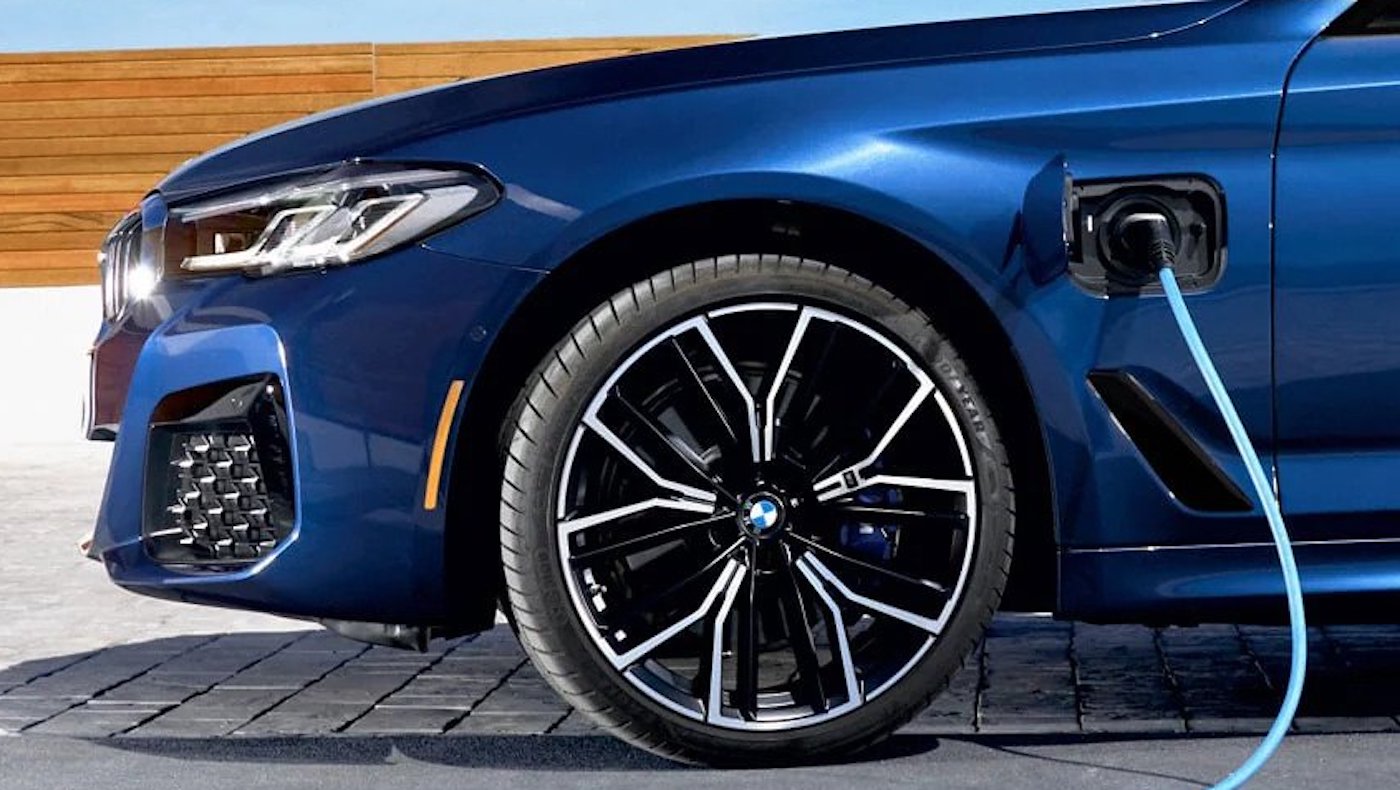
Plug-in hybrid vehicles are designed to fit into real-world lifestyles where charging access, driving distance, and convenience all matter. Concepts such as home charging, electric-only range, gas backup, and charging time are central to understanding how these vehicles function in everyday use. Rather than requiring a full commitment to electric driving, plug-in hybrids provide a gradual and flexible transition.
What Defines a Plug-In Hybrid Car
Core Characteristics of Plug-In Hybrids
A plug-in hybrid car uses both an electric motor powered by a rechargeable battery and a conventional gasoline engine. What distinguishes it from a standard hybrid is the ability to recharge the battery from an external power source, such as a home outlet or public charging station.
This design allows the vehicle to operate in electric-only mode for a portion of daily driving. When electric energy is depleted or additional power is required, the gasoline engine automatically takes over or works alongside the motor.
The driver does not need to manually manage this transition. The vehicle’s control system determines the most appropriate power source based on speed, load, and available energy.
How Plug-In Hybrids Differ From Other Vehicles
Compared to conventional hybrids, plug-in hybrids place greater emphasis on electric driving. Compared to fully electric vehicles, they maintain the flexibility of gasoline fueling. This middle-ground approach appeals to drivers who want electric benefits without full dependence on charging infrastructure.
Plug-in hybrids are especially relevant in regions where charging access is improving but not yet universal. They offer a way to experience electric driving while maintaining confidence for longer or less predictable trips.
Home Charging and Daily Convenience
Charging at Home
Home charging is one of the most practical advantages of owning a plug-in hybrid car. Most drivers recharge their vehicles overnight using standard household electricity or a dedicated home charging unit. This routine fits naturally into daily life, allowing the car to start each day with a replenished battery.
Because plug-in hybrid batteries are smaller than those in fully electric vehicles, charging at home is generally straightforward. Many drivers find that overnight charging easily supports typical daily travel needs without requiring additional planning.
Home charging also reduces reliance on public charging stations. For urban commuters, this can simplify ownership by eliminating the need to search for available chargers during busy schedules.
Charging Time Considerations
Charging time varies depending on the power source and vehicle design, but plug-in hybrids are designed with convenience in mind. Their batteries are optimized for daily recharging rather than extended downtime.
For most owners, charging becomes a passive habit rather than an active task. Plugging in the vehicle at home feels similar to charging a mobile device, requiring minimal effort and no changes to daily routines.
This manageable charging time is one reason plug-in hybrids are often considered more approachable than fully electric vehicles for first-time buyers.
Electric-Only Range and Urban Driving
Electric Driving in the City
Plug-in hybrids are particularly well suited to urban driving. City environments involve lower speeds, frequent stops, and short trips, all of which favor electric propulsion. In electric-only mode, the vehicle can operate quietly and smoothly without using gasoline.
This makes plug-in hybrids attractive for daily commuting, errands, and school runs. Many urban drivers find that a large portion of their routine driving can be completed using electric power alone.
Electric-only operation also improves efficiency in stop and go traffic, where gasoline engines tend to be less effective. Regenerative braking further supports electric driving by recovering energy during deceleration.
Understanding Electric-Only Range
Electric-only range refers to how far a plug-in hybrid can travel using battery power before the gasoline engine is needed. This range is designed to cover typical daily trips rather than long-distance travel.
For most commuters, electric-only range aligns well with everyday needs. Short commutes and local driving can often be completed without engaging the gasoline engine, reducing fuel use and emissions during routine travel.
When the electric range is exceeded, the vehicle transitions seamlessly to hybrid operation. This ensures that drivers are not constrained by battery limitations in their daily lives.
Gas Backup and Long-Distance Flexibility
The Role of the Gasoline Engine
The gasoline engine in a plug-in hybrid serves as a reliable backup. Once the electric energy is depleted, the engine allows the vehicle to continue driving without interruption. This eliminates the concern of being stranded due to a lack of charging options.
For longer trips, the gasoline engine provides familiar refueling convenience. Drivers can use existing fuel stations without altering travel plans or routes.
This gas backup is a key differentiator between plug-in hybrids and fully electric vehicles. It offers reassurance for drivers who frequently travel beyond urban areas or encounter unpredictable driving conditions.
Seamless Transition Between Power Sources
The transition between electric and gasoline power is managed automatically by the vehicle’s control system. Drivers do not need to switch modes manually or monitor battery levels closely.
This seamless integration ensures a consistent driving experience. Whether operating on electric power or gasoline, the vehicle maintains smooth acceleration and predictable response.
The ability to combine electric efficiency with gasoline flexibility makes plug-in hybrids adaptable to a wide range of lifestyles.
Commuter Benefits and Everyday Use
Advantages for Daily Commuters
Plug-in hybrids offer clear benefits for commuters with regular travel patterns. Daily routes that fall within electric-only range allow drivers to complete most trips without using gasoline.
This reduces fuel consumption and minimizes exposure to fuel price fluctuations. For commuters, the savings accumulate gradually through everyday use rather than relying on occasional long trips.
Electric driving also enhances comfort during commutes. Quiet operation and smooth power delivery reduce stress in traffic-heavy environments.
Reduced Planning Compared to Electric Vehicles
While fully electric vehicles require careful planning for charging during longer journeys, plug-in hybrids reduce this burden. Commuters can rely on home charging for daily needs and gasoline for unexpected trips.
This flexibility simplifies ownership for drivers who may not have consistent access to workplace charging or who share charging facilities with others.
As a result, plug-in hybrids often feel like a natural extension of conventional vehicles rather than a complete shift in driving habits.
Charging Infrastructure and Urban Living
Public Charging as a Supplement
Public charging stations can support plug-in hybrid ownership but are not always essential. Many drivers rely primarily on home charging and use public chargers only occasionally.
In urban areas, charging infrastructure continues to expand, providing additional options for topping up during the day. This can extend electric driving opportunities without becoming a necessity.
Because plug-in hybrids do not depend entirely on charging networks, infrastructure availability is less critical than it is for fully electric vehicles.
Urban Accessibility and Practicality
Urban living often involves limited parking options and shared residential spaces. Plug-in hybrids offer a practical solution for drivers who may not have exclusive access to charging points.
Even without daily charging, the vehicle can operate as a conventional hybrid. This adaptability makes plug-in hybrids suitable for apartment dwellers and city residents with varying access to charging.
Urban driving demands flexibility, and plug-in hybrids are designed to meet those demands without sacrificing convenience.
Ownership Considerations and Decision Factors
Evaluating Cost and Value
Plug-in hybrid cars typically cost more upfront than conventional hybrids due to their larger batteries and charging hardware. However, reduced fuel use during daily driving can offset this over time.
Electric driving lowers gasoline consumption, while maintenance needs remain similar to other hybrid vehicles. The combination of electric efficiency and gasoline reliability contributes to long-term value.
Government incentives and local policies may also influence purchase decisions, making plug-in hybrids more accessible for some buyers.
Choosing Based on Lifestyle Fit
The decision to choose a plug-in hybrid often comes down to lifestyle alignment. Drivers with predictable daily travel, access to home charging, and occasional long trips may find plug-in hybrids especially appealing.
Those who value flexibility, convenience, and gradual adoption of electric driving tend to appreciate the balanced nature of plug-in hybrids. They offer many of the benefits of electric vehicles without requiring a complete shift in habits.
Understanding personal driving patterns is key to determining whether a plug-in hybrid is the right choice.
Questions and Answers
Q: Do plug-in hybrid cars need to be charged every day?
Daily charging is beneficial for maximizing electric driving, but it is not required. The vehicle can operate using gasoline when needed.
Q: Can plug-in hybrids drive using electricity only?
Yes. Plug-in hybrids can operate in electric-only mode within their designed electric range, especially during urban driving.
Q: What happens when the battery runs out?
When electric energy is depleted, the gasoline engine takes over automatically, allowing uninterrupted driving.
Q: Are plug-in hybrids suitable for city living?
Yes. They are well suited to urban environments due to electric-only driving capability, manageable charging needs, and flexible fueling options.