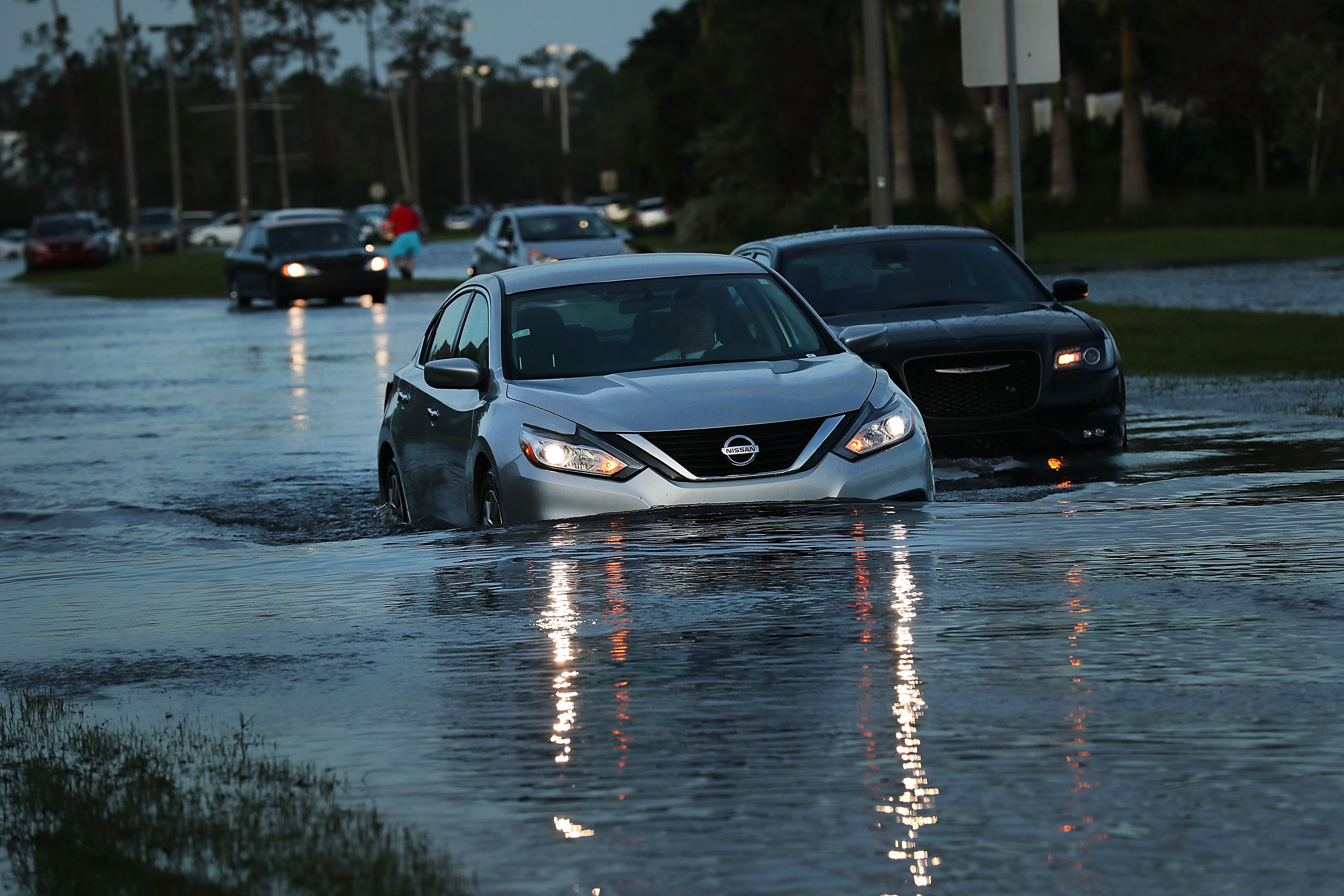
The aftermath of widespread flooding often unleashes a surge of water-damaged vehicles into the used car market, a phenomenon that poses one of the most severe risks to unwary buyers. Unlike collision damage, which is often localized, floodwater inflicts a systemic and insidious corrosion that can compromise nearly every component of a vehicle. While some may be superficially cleaned and sold with clean titles far from the disaster zone, these cars are fundamentally compromised. Understanding the profound and pervasive nature of water damage is not merely a buying tip—it is an essential defense against acquiring a vehicle with a doomed future and potentially hidden safety hazards.
The Anatomy of a Flood-Damaged Vehicle
To comprehend the risk, one must first understand how water, particularly contaminated floodwater, attacks a modern automobile. The damage is not simply about getting the interior wet; it is a chemical and electrical assault that unfolds over months and years, affecting systems from the engine bay to the electronic control modules tucked away in the vehicle's structure.
The Immediate and Latent Signs of Water Intrusion
Spotting a flood-damaged car requires a detective's eye for inconsistencies. Water damage indicators are often subtle and intentionally masked. Start with the senses: a musty, moldy, or overly strong air freshener scent is a classic red flag. Inspect the interior meticulously. Check for silt, mud, or fine sand in unlikely places—under the dashboard, inside the glove compartment, under the seats, and within the spare tire wheel well. Examine all exposed metal surfaces, such as seat springs, seatbelt retractors, and under-dashboard braces, for rust or corrosion that would not normally occur in a cabin environment. Staining, fading, or warping of interior fabrics, carpets, and door panels, especially if they appear newer than the rest of the car's wear level, can indicate replacement to hide damage. Check for moisture fogging inside instrument clusters or headlight assemblies.
The Pervasive and Unpredictable Electrical Threat
The most complex and dangerous legacy of flooding is the electrical system risks. Modern vehicles are networks of computers, sensors, and wiring. When submerged, corrosion begins on connectors and within wiring harnesses. This corrosion is progressive and unpredictable. An electrical component or circuit may work perfectly for weeks or months before suddenly failing. Issues can range from malfunctioning power windows and erratic dashboard lights to the complete failure of critical systems like antilock brakes, airbag controllers, or engine management computers. The repair is often not a simple fix; it can involve tracing faults through miles of wiring and replacing multiple expensive electronic modules. This creates a vehicle that is inherently unreliable and, in worst-case scenarios, unsafe if safety systems are compromised.
The Lasting Consequences of Water Exposure
The problems initiated by floodwater do not end after the vehicle is dried out. They evolve, leading to biological hazards and a fundamental breakdown in long-term functionality, all while the vehicle's legal status is permanently altered.
Biological Hazards and Material Degradation
Beyond the electrical gremlins lies the problem of interior mold issues. The padded interior of a car—seats, carpet, headliner—acts as a perfect sponge, and if not completely removed, dried, and sanitized (a near-impossible task in a fully assembled vehicle), it becomes a breeding ground for mold and mildew. This poses health risks to occupants, especially those with allergies or respiratory conditions, and leads to persistent odors and the accelerated deterioration of interior materials. Furthermore, water that has entered the engine cylinders, transmission, or differential can cause catastrophic lubrication breakdown and internal corrosion, leading to sudden mechanical failure long after the purchase.
The Inevitable Decline in Function and Value
The collective toll of these issues utterly destroys a vehicle's long-term reliability. A flood-damaged car is not a candidate for dependable daily transportation. It is a collection of systems waiting to fail. Corrosion will continue to eat away at connectors and unprotected metal. Mold may resurface. The financial reality is bleak: repair costs are typically recurring and astronomical, as diagnosing intermittent electrical faults is labor-intensive. Consequently, the vehicle's market value is permanently crippled. This leads to the critical concept of title branding explained. A vehicle that has been officially declared a flood or salvage loss by an insurance company will receive a branded title, such as "Salvage," "Flood," or "Rebuilt." This brand is permanent and follows the vehicle's registration, severely limiting its insurability and resale value. However, some are "title-washed"—moved to states with lax branding laws to obtain a clean title—making buyer diligence the only true safeguard.
Detection, Due Diligence, and Definitive Advice
Given the extreme risks, a proactive and multi-layered approach to detection is mandatory. Relying on a single test or a seller's assurance is a recipe for disaster.
Employing a Multi-Point Detection Strategy
Effective detection techniques involve a systematic, thorough inspection. Start with a comprehensive vehicle history report from a reputable source, which may report flood damage or show registrations suddenly shifting from a flood-prone region. Physically, pull back sections of carpet and inspect the padding underneath for moisture, staining, or silt. Remove the door interior panels if possible to check inside. Inspect the engine air filter; a water-stained or damp filter is a major warning. Check all fluid reservoirs (oil, transmission, power steering); a milky appearance or water droplets indicate contamination. Examine the undercarriage for excessive, flaky rust that seems inconsistent with the vehicle's age and location. Use a diagnostic scanner to check all electronic control modules for water damage codes or signs of corrosion-related communication errors.
The Final Verdict for Buyers
The overwhelming consensus among automotive experts, insurers, and consumer protection agencies is unequivocal: never purchase a flood-damaged vehicle. The risks to your finances, safety, and health far outweigh any potential price discount. The advertised "bargain" is an illusion masking a bottomless pit of future repair costs and incurable reliability problems. If you have any suspicion, walk away immediately. Your most powerful tools are a trusted, thorough pre-purchase inspection by a qualified mechanic and the willingness to terminate any deal at the first sign of water-related evidence. In the case of flood cars, an ounce of prevention is worth infinitely more than a ton of costly, regret-filled cure.
Q&A
Q: Can a car be fully repaired after a flood?
A: From a technical and economic standpoint, a complete and reliable repair is virtually impossible. While the car may be made to run, the electrical system risks and interior mold issues are systemic. Corrosion in countless connectors and wires will progress, leading to intermittent failures that are incredibly difficult and expensive to diagnose and fix permanently. The vehicle's long-term reliability is fundamentally compromised.
Q: What does a "branded title" mean for a flood car?
A: Title branding explained: When an insurance company declares a flood car a total loss, the state issues a title with a brand like "Salvage" or "Flood." This legally discloses the damage. A "Rebuilt" brand means it was later inspected after repairs. These brands severely diminish value and complicate insurance. "Title washing" is the illegal practice of moving a car between states to remove this brand, making a vehicle history report and physical inspection critical.
Q: Are there specific smells that indicate flood damage?
A: Yes, smell is a primary water damage indicator. Be suspicious of a strong, over-applied air freshener, which is often used to mask the musty, earthy, or moldy odor of damp upholstery and carpet padding. A clean, dry car interior should have a neutral or slightly "clean" smell, not an overly perfumed or damp one.
Q: What is the single most important detection technique?
A: There is no single technique; a combination is key. However, a professional pre-purchase inspection that includes pulling up sections of carpet and padding to inspect for moisture, silt, and rust stains on floor pans is among the most revealing. This, combined with a thorough vehicle history report, forms the cornerstone of effective detection techniques.
Q: Why are dealerships sometimes selling flood-damaged cars?
A: While reputable dealers avoid them, some less scrupulous operators may acquire flood cars at auction for very low prices, perform superficial clean-up and minor repairs, and sell them to unsuspecting buyers, often in regions far from the flood, to avoid suspicion. This underscores why buyer vigilance and independent inspections are non-negotiable, regardless of the seller.