
Operating outside the framework of major manufacturer franchises, independent auto lots represent a distinct and varied segment of the used vehicle market. These businesses, ranging from small, owner-operated "curb lots" to larger, established independent dealerships, offer a different value proposition and set of considerations compared to their franchised counterparts. For buyers, navigating this landscape successfully requires an understanding of their business models, the inherent risks and opportunities, and a disciplined approach to due diligence.
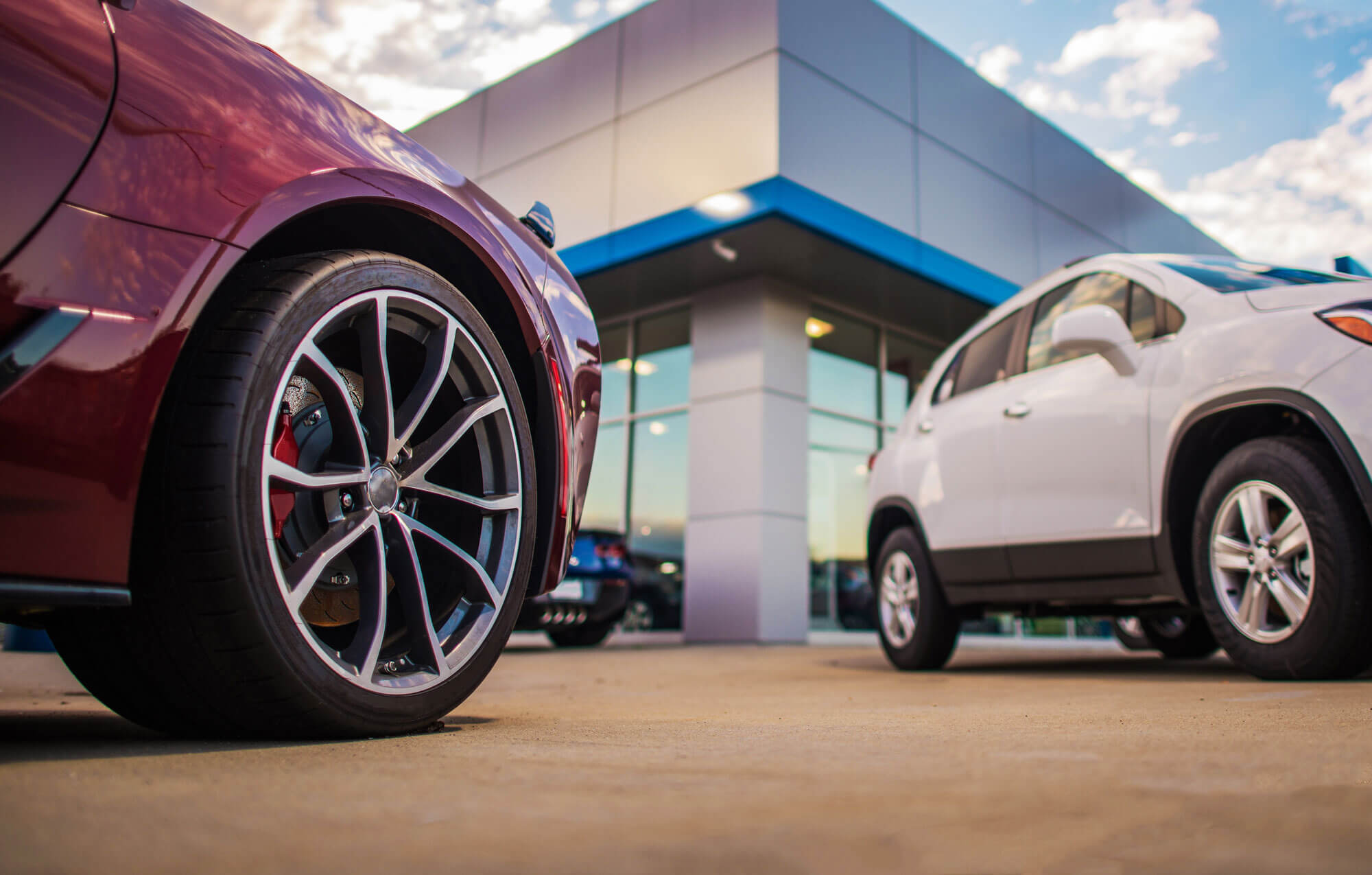
Operating outside the framework of major manufacturer franchises, independent auto lots represent a distinct and varied segment of the used vehicle market. These businesses, ranging from small, owner-operated "curb lots" to larger, established independent dealerships, offer a different value proposition and set of considerations compared to their franchised counterparts. For buyers, navigating this landscape successfully requires an understanding of their business models, the inherent risks and opportunities, and a disciplined approach to due diligence.
The Business Model and Operational Framework
Independent auto lots are defined by their autonomy from manufacturer control, which shapes their inventory sourcing, pricing strategies, and service capabilities. This freedom creates both flexibility and variability.
Sourcing and Inventory Management Strategies
Unlike franchise dealers who receive inventory directly from a manufacturer, non-franchise auto lots acquire vehicles through a diverse array of channels. A primary source is wholesale auto auctions, both physical and online, where they bid on vehicles coming off lease, rental fleets, repossessions, and trade-ins from other dealerships. Other sources include direct purchases from private sellers, trade-ins from their own sales, and sometimes even salvage auctions for lots specializing in rebuilt-title vehicles. This sourcing model means inventory is highly heterogeneous, often featuring a wide mix of makes, models, years, and conditions on a single lot. The lot's focus may be general or specialized (e.g., trucks, luxury cars, budget vehicles). Since they lack a captive service department for reconditioning, many rely on third-party mechanics or in-house technicians of varying skill levels to perform safety checks and cosmetic touch-ups before sale, leading to significant variation in reconditioning standards from one privately owned car yard to another.
Pricing, Financing, and the "As-Is" Reality
Pricing at independent lots is typically more fluid and negotiable than at fixed-price online retailers or some large franchise stores. Margins can be thinner, creating potential for deal-making, but can also be wider on vehicles with less transparent market values. A critical characteristic of many small scale auto sellers, particularly smaller operations, is the "Buy-Here, Pay-Here" (BHPH) model. These lots provide in-house financing to buyers who may not qualify for traditional bank loans. While providing access to credit, BHPH loans often carry very high interest rates and require frequent payments (sometimes weekly), and the vehicle may be equipped with a GPS tracking or starter-interrupt device to facilitate repossession in case of default. Crucially, the vast majority of vehicles sold by independent lots are sold "as-is," with no implied warranty unless a specific service contract is purchased. This places the full burden of verifying the vehicle's condition on the buyer prior to purchase, as post-sale recourse is extremely limited by law in most jurisdictions.
Assessing Risks and Opportunities for the Buyer
The independent lot can be a source of value or a pitfall, largely determined by the lot's reputation and the buyer's thoroughness. A clear-eyed assessment is essential.
Potential Advantages and Value Propositions
The independent vehicle sales channel can offer distinct advantages. Potential for Lower Prices: Without the overhead of a manufacturer-mandated facility or franchise fees, some independents can offer lower prices on comparable vehicles. They may also be more motivated to move inventory quickly. Negotiation Flexibility: The absence of corporate pricing policies often allows for more personalized negotiation. Unique Inventory: Smaller lots may carry niche, older, or unusual vehicles not typically found on franchise lots focused on late-model cars. A well-regarded local auto lot with a long-standing community presence may build its business on repeat customers and referrals, incentivizing fair dealing. For a knowledgeable buyer with a strict budget and the ability to conduct rigorous inspections, this environment can yield significant value.
Common Risks and Required Buyer Vigilance
The risks at standalone car sellers are considerable and necessitate heightened caution. Variable Reconditioning Standards: The quality of pre-sale safety and mechanical checks can be inconsistent. A vehicle may be cosmetically cleaned but have unresolved mechanical issues. Title and History Issues: While most are legitimate, some less scrupulous operators may engage in "title washing" (moving a salvage-title car to a state with lax laws to get a clean title) or fail to disclose significant accident history. High-Pressure Sales and Opaque Financing: Buyers, especially those with credit challenges, may face pressure to accept unfavorable BHPH terms without fully understanding the APR or total repayment cost. Limited Post-Sale Support: The "as-is" sale is final. Unless you purchase a separate warranty, any problem discovered after driving off the lot is your financial responsibility. The lot may have no service department, leaving you to find your own repair solution.
A Strategic Framework for a Secure Transaction
Successfully purchasing from an independent lot requires a structured, defensive approach that prioritizes verification over trust and assumes nothing about the vehicle's condition.
Pre-Visit Research and Lot Evaluation
Before visiting, research the lot's reputation extensively. Search for online reviews, check their rating with the Better Business Bureau (BBB), and look for any complaints with your state's Attorney General's office or motor vehicle dealership board. A complete absence of a digital footprint or a history of unresolved complaints are red flags. When you arrive, assess the lot itself. Is it well-organized? Are the cars clean and presented professionally? Does the lot have a permanent office structure, or is it merely a temporary fenced area? These can be indicators of business stability. Ask straightforward questions about their business practices: "Do you provide a vehicle history report? Can the car be taken for a pre-purchase inspection? What is your policy if the car fails a state safety inspection after purchase?" Evasive answers are a warning sign.
Executing Non-Negotiable Due Diligence Steps
If a vehicle interests you, insist on the following steps in this order:
- Obtain the VIN and Run a History Report: Do not rely on a report they provide; purchase your own from a reputable service like Carfax or AutoCheck. Scrutinize it for accidents, flood damage, odometer discrepancies, and title brands.
- Secure an Independent Mechanical Inspection: This is non-negotiable. Tell the salesperson you want to take the car to your mechanic for an inspection at your expense. A refusal or hesitation should end the negotiation immediately. A reputable lot will not object. The inspection should include a full diagnostic scan, undercarriage review, and test drive.
- Scrutinize All Paperwork Meticulously: Read every line of the purchase contract and any financing agreement. Ensure the stated price matches what was negotiated. Confirm there are no hidden fees or mandatory add-ons. For BHPH financing, calculate the total repayment amount and APR. Ensure the title is present, in the lot's name, and free of liens.
- Understand the "As-Is" Disclosure: You will likely be asked to sign a clear "As-Is" disclaimer. Understand that by signing, you are accepting the vehicle in its current condition with all faults.
The Role of Independent Lots in the Broader Market
Independent dealers fulfill a specific market need, often serving budget-conscious buyers and those with credit challenges. Their existence adds diversity and competition to the automotive retail ecosystem.
Fulfilling a Niche and Community Role
Local auto lots often serve communities where franchise dealers are less prevalent. They provide access to basic transportation for a segment of the population that may be priced out of newer certified pre-owned (CPO) vehicles. A trustworthy independent dealer can become a community fixture, known for fair dealing and helping people secure needed transportation. They play a role in the economic lifecycle of vehicles, often selling cars that are past the age typically retailed by franchise stores, thus extending the useful life of automotive assets.
The Imperative of Consumer Education and Regulation
The variability in this sector underscores the importance of consumer protection laws and buyer education. Many regions require used car dealers to provide basic warranties (like implied warranties of merchantability) unless explicitly sold "as-is," and to disclose known defects. However, enforcement relies on informed consumers who know their rights and exercise due diligence. For the market to function well, buyers must approach independent vehicle sales with the understanding that they are ultimately responsible for verifying the product they are buying. The most successful transactions occur when an educated buyer, armed with inspection reports and vehicle history, meets a reputable independent seller offering a fairly priced vehicle that matches its disclosed condition.
Q&A
Q: Are cars from independent lots cheaper than from franchise dealers?
A: They can be, but it's not a guarantee. Independent lots often have lower overhead, which can translate to lower prices. However, their vehicles may be older, have higher mileage, or require more immediate maintenance. Always compare the total cost of ownership, including any needed repairs identified in a pre-purchase inspection, not just the sticker price.
Q: What does "as-is" really mean when buying from a private lot?
A: "As-is" is a legal term meaning you are buying the vehicle in its present condition, with all faults. The seller makes no promises or guarantees about its reliability or future performance. If the transmission fails an hour after you drive away, you have no recourse against the seller unless you can prove they knowingly committed fraud by misrepresenting a specific fact.
Q: Is financing through a "Buy-Here, Pay-Here" lot a bad idea?
A: It can be a last-resort option with significant drawbacks. BHPH loans are convenient for those with poor or no credit but typically come with very high interest rates (sometimes 20%+), short terms, and strict payment schedules. The total cost of the car can be double its cash price. Exhaust all other options (credit union, bank pre-approval) first.
Q: How can I check if an independent car lot is reputable?
A: Conduct thorough background research. Check their online reviews across multiple platforms. Look them up with the Better Business Bureau (BBB) and your state's motor vehicle dealer licensing board for complaints or disciplinary actions. A long physical presence in the community and transparent business practices are positive indicators.
Q: What is the single most important thing to do before buying from a standalone lot?
A: The absolute requirement is an independent pre-purchase inspection by a mechanic you trust. Do not rely on the lot's assurances or their own "safety check." Pay a professional to put the car on a lift, scan its computers, and evaluate its major systems. This is the only way to uncover hidden problems and make an informed decision on an "as-is" vehicle.