
Navigating the realm of modern sport utility vehicles reveals a fascinating variety of adaptable mechanical systems designed for diverse experiences. These configurations effortlessly tackle varying conditions, from slick urban surfaces to challenging rural trails, redefining automotive versatility and enhancing control in unpredictable climates.
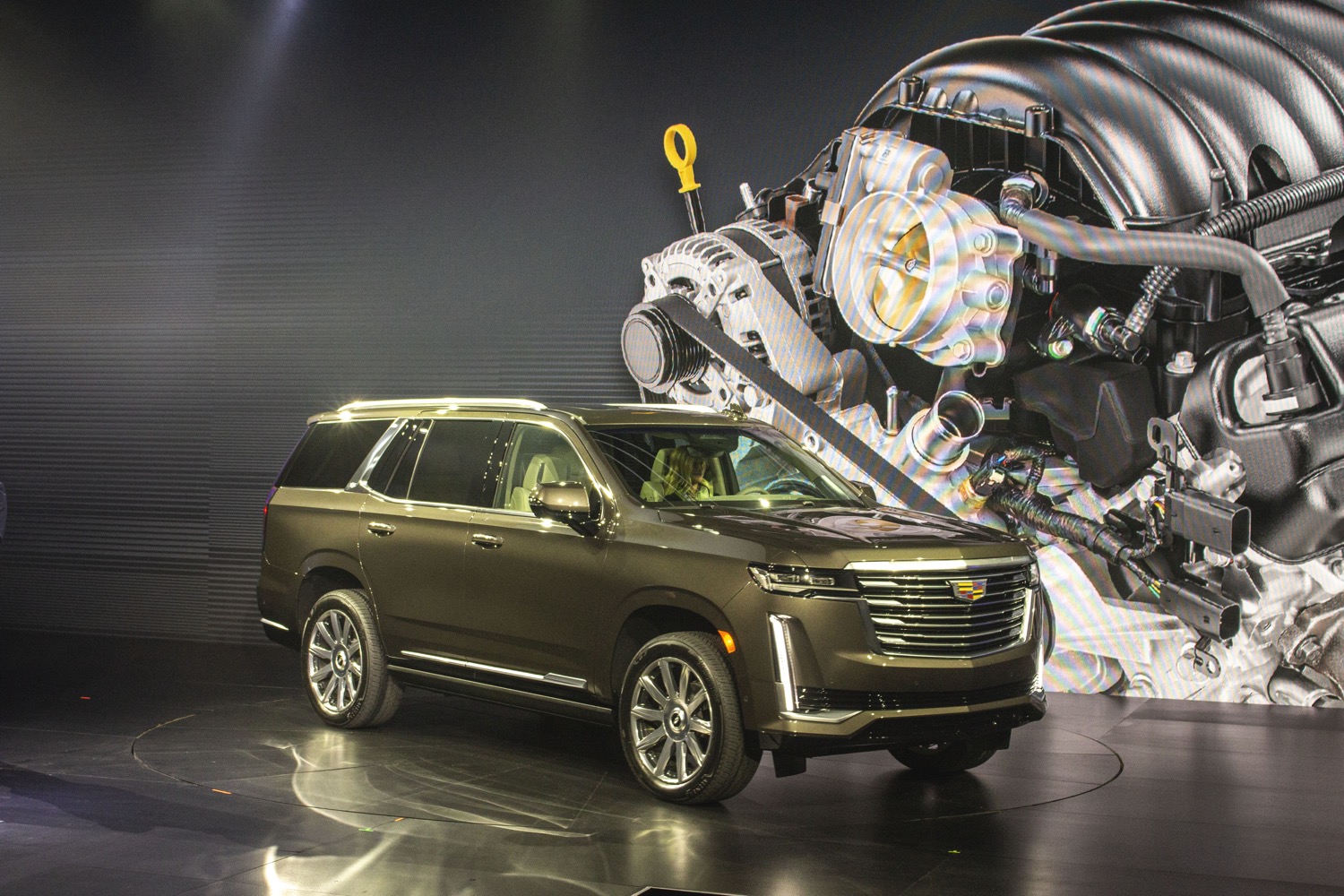
Navigating the realm of modern sport utility vehicles reveals a fascinating variety of adaptable mechanical systems designed for diverse experiences. These configurations effortlessly tackle varying conditions, from slick urban surfaces to challenging rural trails, redefining automotive versatility and enhancing control in unpredictable climates.
Decoding the Basics of Power Distribution
Two-Wheel Efficiency for Urban Living
For many drivers, the daily routine involves navigating paved city streets, managing school runs, or commuting on well-maintained highways. In these scenarios, understanding the baseline configuration of most entry-level SUVs is essential. Front-wheel drive (FWD) is the standard for a vast majority of these vehicles, and this design choice is driven by logic rather than compromise. By concentrating the engine, transmission, and drive components at the front of the vehicle, manufacturers can significantly reduce the overall weight. This reduction in mass translates directly to improved fuel economy, a critical factor for those who spend hours in stop-and-go traffic or cover long distances on flat highways.
From a handling perspective, pulling the vehicle from the front provides inherent stability and predictable steering response on dry asphalt. It is a setup that favors efficiency and simplicity. Without the need for a heavy driveshaft running to the rear axle or a complex rear differential, there is less mechanical friction—often referred to as parasitic loss—robbing the engine of power. This means more of the energy created by burning fuel goes directly to moving the car forward. For the urban dweller who rarely encounters deep mud or steep, unpaved inclines, the grip provided by modern all-season tires on a two-wheel-drive platform is more than sufficient.
Furthermore, this configuration often results in better interior packaging. Since there is no need for a large transmission tunnel running through the cabin floor to power the rear wheels, passengers often enjoy more legroom and a flatter floor. While performance-oriented SUVs might opt for rear-wheel drive to offer a sportier, "pushing" sensation during acceleration, the pragmatic choice for keeping running costs low and comfort high remains the front-wheel layout. It represents a balance of economy and utility that fits perfectly into a lifestyle defined by suburban reliability rather than wilderness exploration.
The All-Weather Confidence of Adaptive Systems
When the pavement ends or the weather turns foul, the limitations of a two-wheel-drive system can quickly become apparent. This is where All-Wheel Drive (AWD) becomes a transformative feature for the vehicle. Unlike traditional systems that require manual engagement, modern AWD is designed to be seamless and intuitive, acting as an invisible co-pilot that constantly monitors the road beneath the tires. For drivers living in regions with four distinct seasons—where sudden downpours, patches of black ice, or leaf-covered backroads are common—this technology offers a profound sense of security.
The core advantage of AWD lies in its ability to redistribute power. If sensors detect that the front wheels are slipping on a wet patch of highway, the system can almost instantaneously send torque to the rear wheels, maintaining forward momentum and preventing a loss of control. This capability is not necessarily about rock crawling or deep mud bogging; rather, it is about maintaining composure on a gravel driveway or stabilizing the vehicle during a sweeping corner in the rain. It changes the driving dynamic from one of reaction to one of proactive stability.
This system effectively bridges the gap between a standard commuter car and a rugged off-road machine. It provides the traction necessary for weekend camping trips down fire roads or ski trips to snowy mountains without the penalty of a heavy, cumbersome truck-based system. The beauty of this configuration is its "on-demand" nature. Under normal cruising conditions, many of these systems revert to driving just two wheels to save fuel, only engaging the secondary axle when slip is predicted or detected. This balance allows families to enjoy the safety benefits of enhanced grip without entirely sacrificing the fuel efficiency required for daily use.
| Driving Scenario | Primary Benefit of System | Ideal User Profile |
|---|---|---|
| Urban Commuting | Maximized fuel economy and lower maintenance costs due to fewer moving parts. | The daily commuter who sticks to plowed streets and highways. |
| Rainy/Snowy Climates | Increased traction on slippery surfaces without driver intervention. | Families in seasonal regions seeking safety and stability. |
| Light Adventure | Capability to handle gravel, dirt roads, and grassy campsites. | Weekend campers and outdoor enthusiasts. |
| Performance Driving | Enhanced cornering grip and acceleration by utilizing all four contact patches. | Drivers who prioritize spirited handling and dynamics. |
Advanced Capabilities and Future Tech
Mastering Rugged Terrain with Specialized Gear
For those who view the SUV not just as a family hauler but as a tool for exploration and heavy work, a distinct leap in mechanical capability is required. Moving beyond the reactive nature of AWD, traditional Four-Wheel Drive (4WD or 4x4) systems are engineered for severe environments where traction is scarce and obstacles are substantial. These systems are typically found on larger, truck-based SUVs and are characterized by a robust mechanical connection between the front and rear axles, often allowing them to be locked together to ensure all wheels turn at the same speed.
The defining feature of this category is the low-range transfer case. This gearing multiplier allows the engine to send massive amounts of torque to the wheels at very slow speeds, which is essential for creeping over large rocks, powering through deep sand, or descending steep, loose grades with control. Furthermore, these vehicles often come equipped with locking differentials—devices that physically link the left and right wheels of an axle. In a standard car, if one wheel is in the air, the power takes the path of least resistance and spins that useless wheel. A locker ensures the wheel on the ground keeps turning, pushing the vehicle out of trouble.
Beyond the drivetrain itself, these "adventure-ready" models usually feature higher ground clearance and specialized suspension articulation. This allows the wheels to move up and down significantly to maintain contact with uneven terrain without the body of the vehicle scraping against rocks. For owners who tow heavy boats or camping trailers, the robust nature of a longitudinal engine layout combined with 4WD provides the necessary durability and grip to pull heavy loads up wet boat ramps or muddy inclines. It is a system built for purpose, prioritizing durability and raw capability over absolute pavement refinement.
Electrification and Intelligent Torque Management
The narrative that increased traction equals poor fuel economy is being rapidly rewritten by the integration of electrification into drivetrain architectures. The marriage of hybrid technology with SUV capabilities has created a new paradigm where power and efficiency coexist. In traditional mechanical setups, sending power to the rear wheels involves heavy driveshafts and gears that create drag. However, many modern hybrid SUVs utilize "e-axles," where an electric motor is placed directly on the rear axle, completely independent of the gasoline engine at the front.
This electric solution offers performance benefits that mechanical systems struggle to match. Electric motors generate maximum torque instantly—from zero RPM. In an off-road scenario or a steep hill start, this allows for incredibly precise control without the need to rev the engine or slip a clutch. The computer can meter out exactly enough power to rotate a wheel a fraction of a turn to gain traction on a slippery rock or icy patch. This responsiveness makes the vehicle feel lighter and more agile than its curb weight would suggest.
Moreover, advanced software has ushered in the era of torque vectoring. Instead of just splitting power front-to-back, these intelligent systems can overdrive the outside rear wheel during a corner. This creates a yaw moment that helps turn the vehicle into the bend, effectively reducing understeer and making a large SUV handle like a smaller, sportier sedan. By combining regenerative braking—which recaptures energy normally lost as heat—with these smart drive systems, manufacturers are delivering SUVs that offer the go-anywhere promise of the past with a carbon footprint suited for the future.
| Feature | Mechanical 4WD System | Electric/Hybrid AWD System |
|---|---|---|
| Power Delivery | Linear, dependent on engine RPM and gearing. | Instant torque availability from electric motors. |
| Complexity | High mechanical complexity (driveshafts, transfer cases). | Simplified mechanicals, heavy reliance on software/wiring. |
| Efficiency | Generally lower due to weight and friction. | High, with energy recapture via regenerative braking. |
| Response Time | Mechanical engagement can have slight delays. | Near-instantaneous adjustments (milliseconds). |
| Terrain Suitability | Superior for extreme, prolonged technical off-roading. | Excellent for mixed surfaces, snow, and moderate trails. |
Q&A
What are the main drivetrain options available for SUVs?
SUVs typically come with four main drivetrain options: Front-Wheel Drive (FWD), Rear-Wheel Drive (RWD), All-Wheel Drive (AWD), and Four-Wheel Drive (4WD). Each option offers different benefits depending on driving needs and terrain conditions. FWD is often more fuel-efficient and provides good traction in wet conditions, RWD offers better handling and performance, AWD provides power to all wheels simultaneously, which is ideal for variable conditions, and 4WD is designed for off-road and rugged terrains, offering maximum traction.
How does traction control enhance the performance of an SUV?
Traction control systems in SUVs help maintain stability and control by preventing wheel spin during acceleration. This system is particularly beneficial in slippery conditions, such as rain or snow, as it automatically adjusts the power sent to each wheel to optimize grip. By doing so, traction control enhances safety and allows for smoother driving across diverse terrains.
Which drivetrain is best suited for off-road terrain use in an SUV?
For off-road terrain use, Four-Wheel Drive (4WD) is generally the best choice for an SUV. 4WD systems are designed to provide maximum traction by distributing power evenly to all four wheels, which is essential for navigating rough and uneven terrains. Many 4WD systems also offer low-range gearing, which improves control and power in challenging off-road situations.
Can All-Wheel Drive (AWD) SUVs handle rough terrains effectively?
While AWD SUVs are capable of handling various road conditions, they are not specifically designed for extreme off-road use like 4WD vehicles. AWD systems are excellent for providing enhanced traction on wet or snowy roads and for light off-road paths, but they lack the low-range gearing and the robust build typically required for more demanding off-road adventures.
What considerations should be made when choosing between Front-Wheel Drive (FWD) and Rear-Wheel Drive (RWD) for an SUV?
When choosing between FWD and RWD for an SUV, consider factors such as driving conditions, performance needs, and climate. FWD is often preferred for urban settings and areas with frequent rain or snow due to its better traction in wet conditions. Conversely, RWD is favored for its superior handling and balance, making it ideal for performance-oriented driving and dry climates.