
Selecting the perfect tyres for SUVs involves understanding how they handle different conditions while ensuring a smooth and silent ride. With specialised options focusing on durability and traction year-round, finding harmony between control and comfort becomes essential for every road, from city streets to rugged terrains.
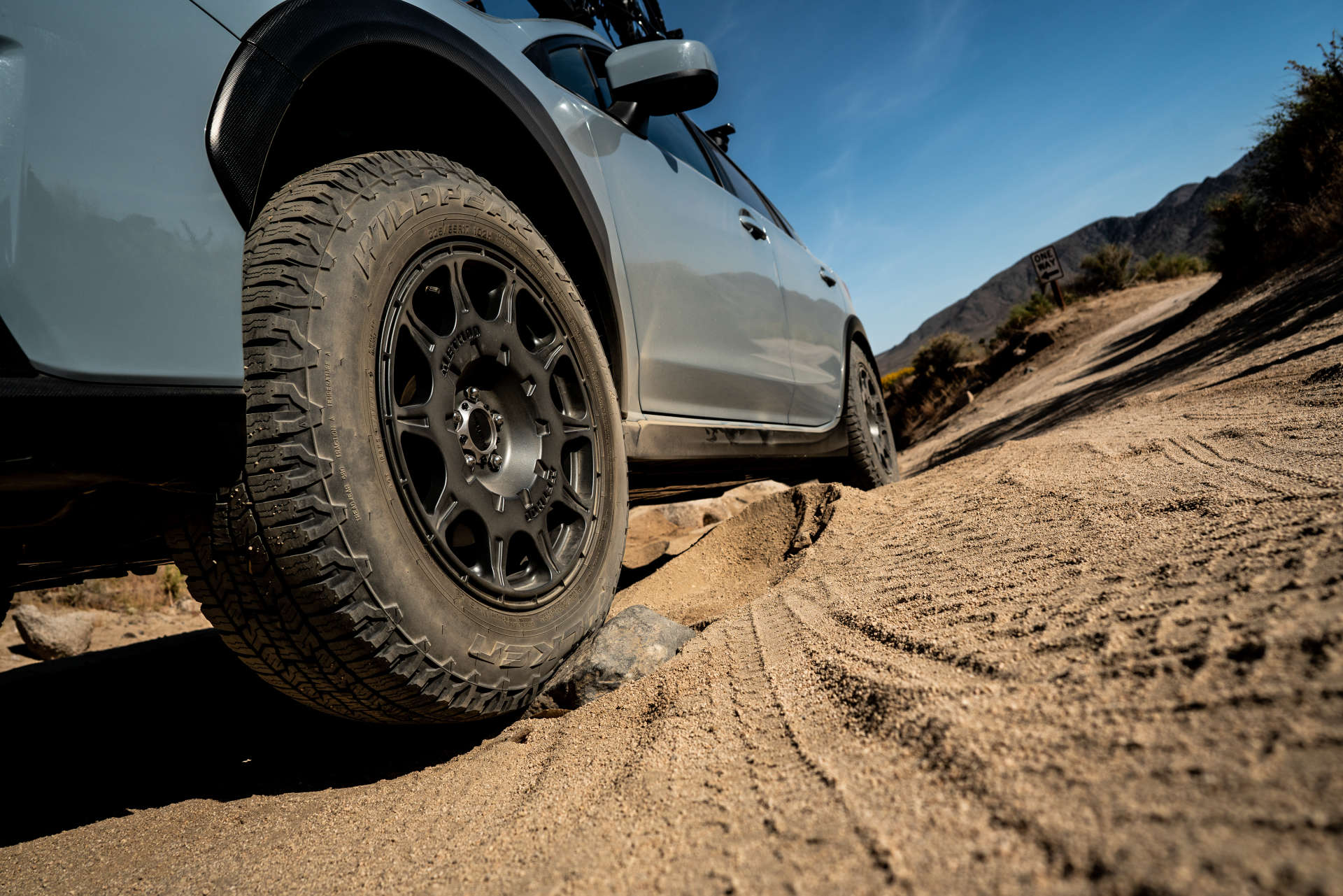
Selecting the perfect tyres for SUVs involves understanding how they handle different conditions while ensuring a smooth and silent ride. With specialised options focusing on durability and traction year-round, finding harmony between control and comfort becomes essential for every road, from city streets to rugged terrains.
Structural Integrity and Weight Dynamics
The Science of Load Indices and Suspension Harmony
When evaluating the foundation of a Sports Utility Vehicle, the most critical specification often goes unnoticed by the casual observer: the Load Index. Unlike standard passenger sedans, SUVs possess a heavier chassis design and a higher centre of gravity, factors that place immense physical stress on the rubber meeting the road. The Load Index is a numerical code that corresponds to the maximum weight a specific tyre can support when properly inflated. Ignoring this figure in favour of aesthetics or rim size can lead to catastrophic failures, such as sidewall collapse or blowouts during highway travel, particularly when the vehicle is fully laden with passengers and cargo.
Verifying the correct specifications requires checking the manufacturer’s placard, typically located on the driver’s door jamb. This data is engineered to match the vehicle’s specific suspension tuning. Automotive engineers spend thousands of hours calibrating shock absorbers and spring rates based on the rigidity of the Original Equipment (OE) fitment. If a driver switches to a tyre with a softer sidewall or insufficient load capacity, the vehicle’s handling characteristics shift dramatically. The car may experience excessive body roll during cornering or feel unstable during braking manoeuvres. This relationship suggests that the tyre is not merely an accessory but an integral component of the suspension system itself. Maintaining the correct sidewall stiffness ensures that the vehicle reacts to steering inputs as the developers intended, preserving both the safety profile and the driving pleasure that defines the modern SUV experience.
Optimizing for Environment and Acoustics
Deciphering Tread Patterns and Acoustic Comfort
The distinct personality of an SUV is largely defined by the tread pattern selected by the owner. Broadly speaking, the market divides into highway-terrain options, which prioritize silence and fuel efficiency, and off-road variants designed for biting into loose surfaces. The trade-off is governed by physics: the deep grooves and aggressive blocks required to eject mud and gravel act as air pumps on pavement, generating significant noise. Conversely, highway-oriented designs utilize variable pitch sequencing—arranging tread blocks of different sizes to disrupt airflow and cancel out sound frequencies—resulting in a serene cabin experience.
Beyond the visible tread, internal tyre construction plays a pivotal role in acoustic management. As a tyre rolls, the air inside the donut-shaped cavity vibrates, creating a "cavity resonance" that manifests as a low-frequency hum or booming sound, especially over expansion joints. Advanced manufacturers now combat this by adhering specialised foam layers to the inner liner of the tyre, absorbing these sound waves before they transmit through the suspension into the cabin.
Choosing the right category requires an honest assessment of daily driving habits rather than aspirational aesthetics. The table below outlines how different tread designs impact the overall driving experience:
| Feature Category | Highway Terrain (H/T) | All-Terrain (A/T) | Mud Terrain (M/T) |
|---|---|---|---|
| Primary Design Goal | Smooth tarmac driving and fuel economy. | Balance between paved roads and light trails. | Maximum traction in deep mud, rock, or sand. |
| Noise Level | Low (Optimized for quietness). | Moderate (Hum noticeable at high speeds). | High (Significant road drone). |
| Ride Comfort | Excellent (Soft absorption of bumps). | Good (Stiffer sidewalls may feel firmer). | Harsh (Vibration often felt in steering). |
| Fuel Efficiency | High (Low rolling resistance). | Moderate (Increased drag). | Low (High resistance consumes more fuel). |
| Ideal User Profile | Commuters and families staying on pavement. | Weekend adventurers mixing city and camping. | Dedicated off-road enthusiasts. |
Furthermore, the rubber compound itself changes behavior with temperature. This is the core science behind seasonality. Summer compounds are formulated to remain firm in heat to provide cornering stability, while winter variants contain high silica levels to remain pliable and grippy even when the thermometer drops below freezing. Understanding that "all-season" often implies a compromise rather than mastery is crucial. For heavy SUVs, where momentum and inertia are significantly higher than lighter cars, having the correct compound for the season ensures that the braking distance remains within safe limits, preventing the vehicle’s weight from overwhelming its traction capabilities.
Q&A
What are the key factors to consider when finding the best SUV tyres?
When searching for the best SUV tyres, consider factors such as performance, fitments, weather and seasonality, noise levels, and whether the tyres are original equipment (OE) or aftermarket. Performance includes aspects like grip, handling, and braking efficiency. Fitments ensure compatibility with your SUV's specifications. Weather and seasonality determine the tyre's suitability for different climates, while noise levels affect cabin comfort. OE tyres are designed specifically for your vehicle model, offering optimal performance.
How does seasonality affect SUV tyre selection?
Seasonality plays a crucial role in SUV tyre selection as different tyres are designed for varying weather conditions. All-season tyres provide a balance of capabilities, suitable for moderate climates. In contrast, winter tyres offer better grip and safety on snowy or icy roads, while summer tyres deliver enhanced performance in warm conditions. It's important to choose tyres that match the prevalent weather in your region to ensure safety and longevity.
What is the significance of OE tyres for SUVs?
OE (Original Equipment) tyres are significant for SUVs as they are specifically engineered to meet the vehicle manufacturer's standards for performance, safety, and efficiency. These tyres are tested rigorously to ensure they provide the optimal balance of ride comfort, noise reduction, and fuel efficiency. Opting for OE tyres can enhance the driving experience and maintain the vehicle's intended performance characteristics.
Why is tyre noise an important consideration for SUV owners?
Tyre noise is important for SUV owners because excessive noise can lead to an uncomfortable driving experience, especially on long journeys. Noise levels can be influenced by the tyre tread pattern and materials used. Choosing tyres with noise-reducing features can enhance cabin quietness, contributing to a more pleasant and relaxing drive. This is particularly valuable for those who frequently travel at high speeds or on highways.
How do fitments impact the choice of SUV tyres?
Fitments impact SUV tyre choice by ensuring the tyres are compatible with the vehicle's wheel size, load capacity, and speed rating. Proper fitment is crucial for maintaining vehicle safety, performance, and fuel efficiency. Incorrect fitments can lead to handling issues, increased tyre wear, and potentially unsafe driving conditions. Always consult the vehicle's manual or a tyre specialist to ensure the correct fitment for your SUV.