
Choosing the right path for financing a vehicle involves weighing the immediate and long-term financial impact. Whether deciding on a temporary commitment or investing in ownership, each option offers unique benefits and challenges. The accurate balance lies in understanding personal financial priorities and mobility needs.
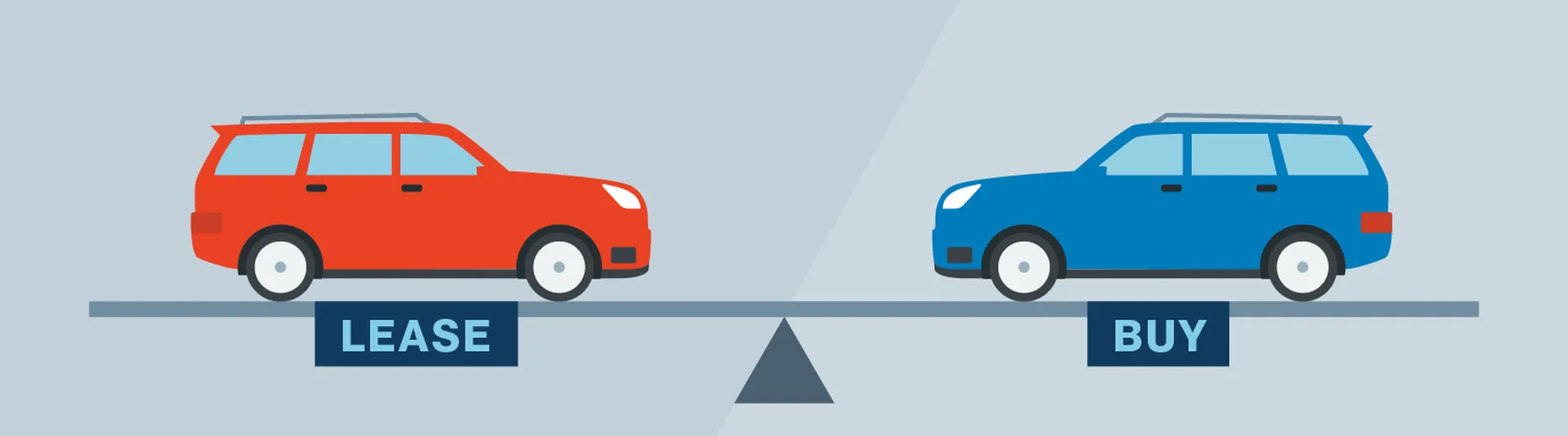
Understanding the Core Mechanism: Ownership vs. Usage
The Path to Asset Accumulation vs. Temporary Access
When you stand in a dealership deciding how to acquire your next vehicle, you are essentially choosing between purchasing an asset and paying for a service. Understanding this fundamental difference is crucial for long-term financial health. When you opt for a traditional auto loan, every monthly check you write is a contribution toward eventual ownership. You are paying down the principal and interest on the entire value of the vehicle. Once the final installment is cleared, the title is transferred to you, and the car becomes 100% your property. This allows you to build equity; you can eventually sell the vehicle to recoup some cash, trade it in for a meaningful value, or simply enjoy years of payment-free driving, which is the most cost-effective phase of car ownership.
In stark contrast, a lease operates on a completely different financial model. You are not paying for the car itself, but rather for the depreciation that occurs while you drive it. The financial institution calculates how much value the vehicle will lose over the contract term—typically two to three years—and your payments cover that loss plus interest (often called the money factor) and fees. When the term expires, you return the keys and walk away with no asset to show for your years of payments. For drivers who view vehicles purely as a utility or a depreciating liability rather than an asset, this model is attractive because it avoids the hassle of selling a used car later. However, it is vital to recognize that leasing is a perpetual cycle of payments; unlike a loan, you never reach a finish line where the car is "yours" and the monthly bills stop.
| Feature | Buying (Loan) | Leasing |
|---|---|---|
| Ownership Status | You own the vehicle once the loan is paid off. | You do not own the vehicle; you must return it. |
| Asset Value | Builds equity; the car has cash value you can use later. | No equity; payments are purely for usage rights. |
| Customization | Full freedom to modify or upgrade the vehicle. | Modifications are generally prohibited or must be reversed. |
| Wear and Tear | Your responsibility, but cosmetic issues don't require immediate fixing. | You are charged for "excessive wear and tear" upon return. |
Analyzing the Financial Impact and Monthly Budget
Managing Cash Flow and Interest Considerations
For many households, the decision often comes down to immediate cash flow. Market data consistently shows that leasing a new vehicle offers a lower monthly expenditure compared to financing the purchase of the same model. Since you are only financing the difference between the car’s initial price and its projected residual value at the end of the term, rather than the full price, the monthly strain on your wallet is reduced. This allows drivers to upgrade to luxury models or higher trim levels that might be out of reach if they were buying. For budget-conscious individuals who prioritize keeping liquid cash available for other investments or expenses, this lower monthly obligation is a significant draw.
However, the "cheaper" option is often more expensive in the long run. While loan payments are higher, they eventually end. A lease payment is a forever bill as long as you continue to lease. Furthermore, creditworthiness plays a massive role in both scenarios. Interest rates and money factors are heavily dependent on your credit score. A strong credit history can secure a low interest rate on a loan, making the total cost of ownership very competitive. Conversely, if your credit score is lower, the financing charges on a lease can be surprisingly high, sometimes negating the benefit of lower monthly payments. It is essential to look beyond the monthly figure and calculate the total cost over five or ten years. Buying typically wins over a decade, but leasing wins on short-term cash flow.
Restrictions, Flexibility, and Lifestyle Fit
Navigating Mileage Caps and Contract Rigidity
One of the most significant hidden costs in leasing is the restriction on movement. Lease agreements are strictly governed by mileage limits, typically ranging from 10,000 to 15,000 miles per year. If you exceed this cap, you will face steep penalties at the end of the term, often charged at a high rate per mile. For commuters with long distances to travel or families who enjoy road trips, this creates a constant background anxiety. You are essentially "watching the odometer" every time you drive. In contrast, purchasing a vehicle grants you unlimited freedom. Whether you drive 5,000 miles or 50,000 miles a year, the only penalty you pay is the natural depreciation of the vehicle and higher maintenance frequency, but no financial institution will send you a bill for driving too much.
Another critical factor is the rigidity of the contract. Life is unpredictable; job transfers, growing families, or changes in income can happen suddenly. Breaking a lease early is notoriously difficult and financially punishing. You may be liable for the remaining payments or a massive termination fee that can amount to thousands of dollars. A purchased vehicle offers an easier exit strategy. If your needs change, you can sell the car or trade it in at any time. While you might be "upside-down" (owing more than the car is worth) in the early stages of a loan, you still have the autonomy to make that decision without navigating complex contract termination clauses. This flexibility is a key reason why many choose to buy—it provides a safety valve for life's unexpected turns that a rigid lease contract does not.
| User Profile | Recommended Path | Reasoning |
|---|---|---|
| High Mileage Driver | Loan (Buy) | Avoids expensive excess mileage penalties; no limits on travel. |
| Tech Enthusiast | Lease | Allows upgrading to the latest safety and tech features every 3 years. |
| Long-term Saver | Loan (Buy) | Offers the lowest total cost over 10 years; eliminates car payments eventually. |
| Business Owner | Lease | Potential tax advantages for business use; keeps capital liquid. |
Strategic End-of-Term Decisions
The "exit strategy" is where the difference between the two paths becomes most apparent. When a lease ends, you generally have three options: return the car and walk away (often paying a disposition fee), lease a new car, or buy the current car for its residual value. While buying out a lease can be a good move if the car is worth more than the residual value stated in the contract, the default action is usually returning it. This leaves you without a vehicle, necessitating a new transaction immediately. It forces you back into the market regardless of whether prices are high or inventory is low.
On the other hand, the end of a loan term is a moment of financial liberation. You are left with a tangible asset that you can continue to use for years with only maintenance and insurance costs. This "payment-free" period is where the financial benefits of buying truly compound. Alternatively, you can use the car's equity as a down payment for your next vehicle, significantly lowering future borrowing needs. Ultimately, the choice depends on whether you value the convenience and freshness of a new car every few years (Lease) or the financial autonomy and equity building of long-term retention (Loan). Assess your tolerance for risk, your driving habits, and your desire for asset ownership before signing the dotted line.
Q&A
What are the key differences between lease payments and loan payments for a car?
Lease payments are typically lower than loan payments because you are only paying for the car's depreciation during the lease term, plus interest and fees. In contrast, loan payments are higher as they cover the entire purchase price of the car, including interest over the loan term. Additionally, lease payments often have stricter terms regarding mileage and vehicle condition, while loan payments eventually lead to car ownership.
How does equity build-up work with an auto loan compared to a lease?
With an auto loan, as you make payments, you build equity in the car, meaning over time you own more of the vehicle until it's fully paid off. This equity can be useful for trade-ins or as collateral. In contrast, with a lease, you do not build equity because you do not own the car; you are essentially renting it for a set period.
What are the implications of car lease mileage limits?
Car lease mileage limits restrict the number of miles you can drive annually, typically ranging from 10,000 to 15,000 miles. Exceeding these limits can result in costly per-mile penalties at the end of the lease. It's crucial to estimate your annual mileage accurately when negotiating a lease to avoid these extra charges.
How does the total cost of leasing a car compare to buying one with a loan?
The total cost of leasing versus buying a car can vary significantly based on the car's depreciation, interest rates, and how long you keep the vehicle. Leasing can be cheaper in the short term due to lower monthly payments and no down payment. However, buying may be more cost-effective over the long term, as you eventually own the car and can avoid repeated leasing fees.
What are the options for early termination of a car lease, and what are the potential costs involved?
Early termination of a car lease can be costly and typically involves paying the remaining lease payments, early termination fees, and potential penalties for excess wear and mileage. Some options to mitigate these costs include lease transfer to another party or negotiating with the leasing company for a lower settlement. Always review your lease agreement to understand the specific terms and penalties.
What choices do you have at the end of a car lease?
At the end of a car lease, you generally have several options: returning the car to the dealer, purchasing the vehicle for a predetermined buyout price, or leasing a new car. Each option has its own financial implications, and the decision should be based on your current needs, the car's condition, and market value compared to the buyout price.