
Joining forces on a vehicle financing agreement often involves a strategic alliance linking two financial profiles. This partnership can pave the way to achieving purchasing goals but requires careful consideration of potential consequences, ranging from fiscal burdens to shared accountability, effectively influencing long-term financial landscapes.
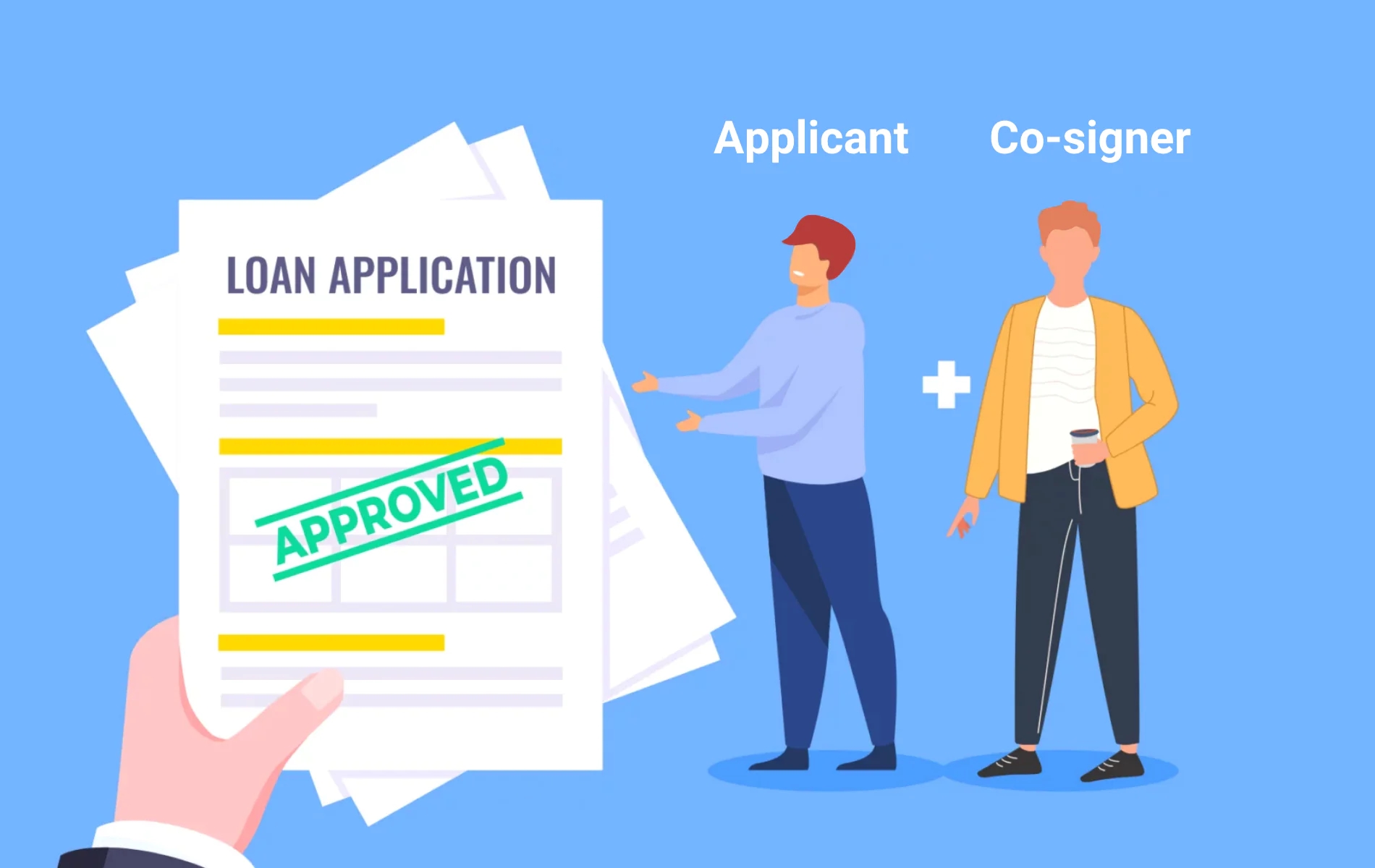
Joining forces on a vehicle financing agreement often involves a strategic alliance linking two financial profiles. This partnership can pave the way to achieving purchasing goals but requires careful consideration of potential consequences, ranging from fiscal burdens to shared accountability, effectively influencing long-term financial landscapes.
Understanding the True Scope of Shared Liability
Beyond a Character Reference: The Legal Reality
When approached to help a friend or family member secure a vehicle, many individuals mistakenly view the request as a simple character reference or a formality to push paperwork through. There is a common misconception that adding your signature merely acts as a "recommendation" letter, vouching for the person's integrity. However, from the perspective of the lending institution, the signature represents a binding financial contract with significant weight. It is not a ceremonial gesture; it is a legal declaration that you are accepting full responsibility for the debt.
The moment ink hits the paper, the person assisting the borrower assumes a liability that is virtually identical to that of the primary driver, often without receiving any rights to the vehicle itself. The lender requires this additional security usually because the primary applicant has a thin credit file, a low score, or insufficient income to qualify for favorable terms. By stepping in, you are essentially leveraging your own hard-earned financial reputation to bridge that gap. It is crucial to understand that if the primary borrower misses a payment, defaults, or declares bankruptcy, the lender has the legal right to come directly to you for the full balance immediately. They are not required to exhaust all efforts to collect from the driver first.
This dynamic creates a situation where you bear all the downside risk with none of the upside benefit of owning the car. The financial institution views both parties as "jointly and severally" liable. This means the debt is 100% yours just as much as it is theirs. Before agreeing, one must strip away the emotional desire to help and look at the cold financial reality: are you prepared to pay for a car you do not drive, potentially for several years, if the original borrower cannot? If the answer is hesitant, it is a signal to pause and re-evaluate the depth of this commitment.
The Long-Term Financial Tether and "Debt-to-Income" Implications
Entering into this agreement is not a momentary event; it is a long-term financial tether that can restrict your economic freedom for the duration of the repayment term, which often spans three to seven years. A critical but often overlooked consequence is how this new obligation affects your personal borrowing power. Lenders calculate a metric known as the Debt-to-Income (DTI) ratio to determine your eligibility for mortgages, credit cards, or personal loans. Even if the primary borrower is making the payments on time, the entire monthly payment amount for that vehicle may appear on your credit report as your own financial obligation.
Imagine a scenario where you plan to purchase a home two years down the road. When the mortgage underwriter reviews your file, they see the car payment as a monthly debt that reduces your disposable income. This could skew your DTI ratio into a risky zone, leading to a rejected mortgage application or a significantly higher interest rate, costing you thousands of dollars over time. You might find yourself unable to finance your own necessities because your credit "bandwidth" is occupied by someone else's vehicle.
Furthermore, life is unpredictable. Relationships change, employment statuses fluctuate, and health issues arise. A cousin or friend who is financially stable today might face a layoff or a medical emergency next year. Unlike a subscription service that can be cancelled, you cannot simply "opt-out" of the loan because your relationship with the borrower has deteriorated or because you need to free up credit for your own use. The bank relies on your stability to mitigate their risk, and they will not release you from the contract simply because it has become inconvenient. Understanding that your financial fate is locked to another person's performance for the better part of a decade is essential before signing.
The Invisible Impact on Credit Health and Rights
The Ripple Effect of Payment History on Your Profile
Your credit score is a delicate asset, meticulously built over years of responsible financial behavior. When you attach your name to another person's auto financing, you are effectively handing over the keys to your credit history to them. The most immediate risk is that payment history is shared. Every on-time payment can bolster your score slightly, but every late payment or missed cycle can devastate it. A single payment made 30 days late by the primary driver will appear on your credit report as a delinquency, causing a sharp drop in your score—often by substantial points.
The frustration lies in the fact that you may be completely unaware of the delinquency until the damage is already done. Lenders are not always prompt in notifying the secondary signer of a missed payment immediately; they may wait until the account is significantly past due. By the time you receive a collection call or a letter, your credit report may already bear a negative mark that can linger for up to seven years. This "guilt by association" feels unfair, especially if you have managed your own debts perfectly, but it is a fundamental component of the lending agreement.
To mitigate this, it is vital to establish a system of transparency. Do not rely on verbal assurances like "I paid it." Request login credentials for the loan account or set up automatic alerts that notify both parties when a payment is processed. Treat this as a business arrangement rather than a favor. If the primary borrower is disorganized or financially struggling, your credit score becomes collateral damage. Therefore, active monitoring is not a sign of mistrust; it is a necessary defense mechanism to protect your financial standing in the broader economy.
| Comparison Factor | Primary Borrower | Supporting Signer (You) |
|---|---|---|
| Ownership Rights | Holds title and possession of the vehicle. | Typically has no rights to the vehicle or title. |
| Payment Liability | 100% responsible for monthly installments. | 100% responsible if the primary fails to pay. |
| Credit Impact | Payment history directly affects credit score. | Payment history directly affects credit score equally. |
| Debt Calculation | Loan included in Debt-to-Income (DTI) ratio. | Loan usually included in DTI, affecting future borrowing. |
| Asset Benefit | Uses the car for daily transport/utility. | No direct benefit; assumes risk without asset utility. |
Asserting Your Rights for Information and Communication
While the obligations are heavy, you do possess certain rights that should be exercised proactively. Foremost among these is the right to information. Before finalizing the agreement, you should demand full transparency regarding the loan terms, interest rates, and penalties. Many well-meaning individuals focus on the car's features or the monthly payment amount, ignoring the fine print regarding default clauses or late fees. You have the right to review the contract in its entirety and ask the lender specific questions about their notification policies.
You should inquire specifically about how and when you will be contacted if the account falls into arrears. Does the lender notify all parties simultaneously, or do they wait until the primary borrower has ignored several attempts? If the standard contract does not provide for immediate notification, ask if it is possible to add a note to the file requesting dual notification for any billing issues. Furthermore, you have the right to keep your own copies of all signed documents. Never leave the dealership or bank without a complete set of paperwork for your personal records.
It is also prudent to create a separate, private agreement with the primary borrower—a "side letter." While this may not override the bank's contract, it serves as a formal acknowledgment of expectations between you and the borrower. This document can outline how they intend to prove payment each month and what steps will be taken if they face financial hardship. Asserting these rights ensures that you are not a passive victim of circumstance but an active participant managing a significant financial exposure.
Strategic Exit Plans and Risk Management
The Path to Release: Refinancing as a Solution
A common question arises: "How do I get off this loan?" Unfortunately, simply asking the bank to remove your name is rarely successful. The lender approved the loan specifically because your credit profile reduced their risk; removing you increases their risk, so they have little incentive to agree. The most viable and effective exit strategy is refinancing. This involves the primary borrower applying for a completely new loan in their own name to pay off the existing joint debt.
Refinancing should be discussed as part of the initial "entrance" strategy. The goal is for the primary borrower to use the first 12 to 24 months of the loan to build their credit history and demonstrate reliability. Once their score has improved sufficiently, they can qualify for a loan independently. Setting a target date for this transition helps align expectations. For instance, you might agree to support the loan for two years, with the explicit understanding that the borrower will work towards refinancing solely into their name at that mark.
This approach transforms an indefinite burden into a temporary bridge. It incentivizes the borrower to maintain good financial habits, knowing that their independence depends on it. However, success relies on the borrower actually improving their creditworthiness. If they continue to miss payments or accrue other debts, refinancing will be impossible, and you will remain on the hook. Therefore, the exit plan requires commitment from both sides to be executed successfully.
Evaluating the Relationship and Financial Safety Nets
Ultimately, the decision to share financial liability rests on a complex mix of relationship dynamics and economic reality. It is essential to perform a "stress test" on the scenario before signing. Ask difficult questions: If the borrower loses their job, do you have the cash reserves to cover the car payments without jeopardizing your own mortgage or rent? If you have to pay for the car, will it destroy your relationship with the borrower? Money disputes are a leading cause of family estrangement and broken friendships.
If you decide to proceed, ensure you have a safety net. This might involve asking the borrower to set up an automatic transfer to a separate savings account that acts as an emergency fund for car payments. Or, it could mean insisting that the borrower sets up autopay to eliminate the risk of forgetfulness. The key is to minimize variables that could lead to default.
Choosing to support someone in this way is a noble gesture of trust, but it must be backed by a clear-eyed assessment of the risks. By understanding the difficulty of release and the necessity of a solid exit strategy, you can protect your financial future while helping someone else build theirs. Balancing the desire to help with the need for self-preservation is the hallmark of a wise financial partner.
| Decision Check | Green Light Indicators | Red Light Indicators |
|---|---|---|
| Relationship | Strong, open communication about money. | History of avoiding difficult conversations. |
| Borrower's Income | Stable job, income easily covers payments. | Unstable employment or income barely covers bills. |
| Your Finances | You can afford the car payment if they default. | Paying their loan would cause you to miss your own bills. |
| Exit Strategy | Borrower agrees to refinance in 12-24 months. | No plan to remove you; indefinite commitment. |
| Transparency | Borrower grants full access to loan account. | Borrower is secretive or defensive about finances. |
Q&A
What are the responsibilities of a co-signer for an auto loan?
A co-signer for an auto loan agrees to take on the responsibility of the loan if the primary borrower fails to make payments. This includes making timely payments and potentially paying off the entire loan if necessary. The co-signer is essentially guaranteeing the loan, which means they must be prepared to assume full financial responsibility if the borrower defaults.
How does co-signing a car loan impact a co-signer's credit?
Co-signing a car loan can significantly impact a co-signer's credit. The loan will appear on the co-signer's credit report, and any late payments or defaults by the primary borrower can negatively affect the co-signer's credit score. Conversely, if payments are made on time, it can positively impact their credit score by adding a history of timely payments.
What are the risks associated with co-signing a car loan?
The primary risks of co-signing a car loan include the potential for damaging one's credit score due to missed payments by the borrower, the obligation to pay the loan if the borrower defaults, and the reduction of the co-signer's borrowing capacity. Additionally, the co-signer's relationship with the borrower can be strained if financial issues arise.
What rights does a co-signer have on an auto loan?
A co-signer has the right to receive information regarding the loan status and any changes to the loan terms. However, they do not have ownership rights to the vehicle unless explicitly included in the loan agreement. It's important for co-signers to maintain open communication with the borrower to monitor the loan's status.
How can a co-signer be released from an auto loan?
A co-signer can be released from an auto loan through refinancing the loan solely in the primary borrower's name, paying off the loan, or applying for a co-signer release with the lender if the borrower has demonstrated a consistent history of timely payments. Each lender may have different requirements for releasing a co-signer, so it's important to consult with the lender directly.
What factors should be considered when choosing a co-signer for a car loan?
When choosing a co-signer, consider their creditworthiness, financial stability, and willingness to assume responsibility for the loan. It's also important to choose someone with whom you have a strong and trustworthy relationship, as the co-signer will be impacted by your payment behavior.