
Curious how local food markets can fit into everyday cooking without overspending or wasting fresh produce? This guide walks through planning a farmers market visit, setting a realistic budget, talking with vendors, and turning regional, seasonal finds into simple meals you can actually use.
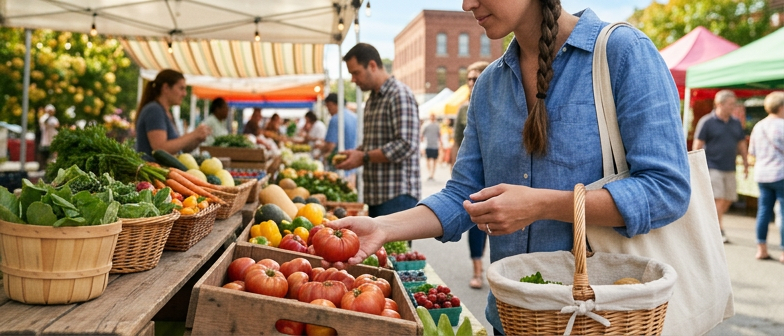
Why Explore Local Food Markets
Exploring a local food market connects your everyday meals with the place where you live. Instead of seeing food as something that simply appears on a store shelf, you meet the farmers, bakers, and small producers who grow and prepare what you eat. This kind of local food market exploration makes shopping feel more intentional, even if you only visit occasionally. You notice how prices, quality, and variety differ from the supermarket and decide what fits your routine and budget. Regular visits also reveal how the selection changes through the year, so you see what is truly seasonal in your area rather than relying only on packaging or labels.
These markets are also ideal for regional ingredient discovery that you might miss in standard grocery aisles. You may find produce varieties, grains, cheeses, or prepared foods that reflect local growing conditions and culinary traditions, and you can ask vendors how they cook with them at home. This gently expands how you plan meals without demanding complicated techniques or special equipment. Over time, you learn which stalls match your taste and cooking style, so a market trip becomes a realistic weekly or monthly habit. With a curious mindset and clear expectations, you can use these visits to support simple, everyday cooking grounded in what is actually available around you.
Planning Your Farmers Market Visit
Thoughtful farmers market planning turns a casual outing into a focused part of your local food market exploration. Start by looking up markets near you and comparing hours, locations, and transportation options, including parking or transit access. Many markets share vendor lists, payment methods, and rules on pets, bags, or early entry, so checking these in advance prevents surprises. Review what is in season at different times of year, especially if you want to discover regional ingredients and cook with produce at its peak. When you know which farmers and food artisans are likely to attend, you can prioritize stalls that fit your cooking style and dietary preferences instead of wandering without a plan.
Aligning your visit with your weekly routine and health needs keeps the trip practical. Think about when you usually cook and choose a market day that lets fresh foods flow easily into your meals. Build a realistic market day budget by deciding what you can spend on core items like fruits, vegetables, and proteins, then set aside a smaller amount for treats or new products. This limits impulse buys while leaving room for curiosity. If you follow a particular eating pattern, bring a short shopping list and be ready to ask about ingredients and growing practices. Planning this way makes the market feel manageable and supports consistent, seasonal cooking without straining your time or finances.
| Checklist Item | Why It Matters | When to Decide | Notes |
|---|---|---|---|
| Choose which market to visit | Aligns location and hours with routine | A day or two before | Compare access, parking, transit |
| Review market rules and payment options | Avoids surprises at the entrance | Before leaving home | Check pets, bags, card or cash |
| Check what is in season | Guides regional ingredient choices | During weekly meal planning | Use seasonal produce guides |
| Set a simple market day budget | Keeps spending realistic | Before making a shopping list | Separate essentials and treats |
| Match visit to cooking schedule | Helps use fresh food promptly | When choosing market day and time | Plan around usual cooking days |
| Prepare a short list for dietary needs | Supports specific eating patterns | Right before the visit | Note questions for vendors |
Setting a Market Day Budget
A simple market day budget starts with your overall plan for visiting local food markets. Before you go, think about how the farmers market fits into your weekly food needs by estimating what you typically spend on produce, bread, dairy, and treats. Decide on a total amount you are comfortable with, then divide it into rough categories such as everyday cooking ingredients, items for a special meal, and small impulse purchases so your farmers market planning stays realistic and flexible.
Discovering Regional Ingredients
Exploring a local food market is a practical way to notice which ingredients are closely tied to your area. As you walk the aisles, watch for signs showing where produce, dairy, or meats were grown, and ask vendors which items come from nearby farms rather than being shipped in. This kind of local food market exploration helps you see patterns, such as fruits, vegetables, or grains that appear at many stalls at once, signaling regional specialties worth trying.
Seasonality is central to regional ingredient discovery, because local harvest cycles shape what appears on market tables. When you see a surge of berries, leafy greens, or winter squash, it is a strong clue that they are in season and likely at their best quality and price. Brief conversations with farmers about when certain items are planted and harvested deepen your sense of the local growing calendar and point you toward produce that has traveled less and ripened longer on the plant.
Once you spot ingredients that reflect your region, consider how they fit into simple seasonal cooking ideas at home. One new vegetable can inspire a salad, soup, or roasted side dish, while local herbs or cheeses can add character to everyday meals. By choosing even a few regional items on each trip, you slowly build a personal list of local favorites and learn how to cook with them, turning each visit into both a shopping errand and an ongoing lesson in the foods that define your area.
Translating Seasonal Finds into Meals
As you explore a local food market, treat each stall as inspiration for simple meals built around one seasonal highlight, such as late-summer tomatoes or winter squash. Pair these finds with basics like pasta, grains, or eggs, so seasonal cooking ideas stay approachable for both beginners and confident cooks. Paying attention to produce grown in your region helps you choose fruits and vegetables that are harvested near their peak and taste great with minimal seasoning, a quick sauté, or an easy roast.
To turn these regional ingredients into everyday meals, rely on a few repeatable techniques. Roasted mixed vegetables can top rice, be tossed into a salad, or be added to an omelet for smaller households. Larger families can double a simple soup or stew with market greens and beans, freezing extra portions. By matching your cooking method to your schedule and comfort level, each new seasonal find gradually becomes part of your regular meal routine.
Talking with Market Vendors
Talking with vendors is at the heart of any local food market exploration because it connects you directly with the people who grow or make your food. Approach a stall during a quieter moment, make eye contact, and start with a simple greeting so they can finish with other customers. Open with easy questions, such as how long they have been at the market or what they recommend today, to keep the tone friendly while you learn about their experience. As you talk, ask clear questions about where the product comes from, how it was grown, or when it was harvested, and listen for details that show how their practices match your values and needs.
To keep conversations helpful and respectful of a busy day, ask concise, practical questions that fit into the flow of the market. You might ask how to store a particular vegetable once you get home or request quick cooking ideas for something new, turning vendor conversation tips into support for your weekly meal planning. If a line forms, step aside once you have your answers and return later if you want more detail. Curiosity, courtesy, and brief, focused questions help you build lasting relationships that make every visit to the farmers market more informative and enjoyable.
Q&A
Why is it worth exploring a local food market instead of only shopping at a supermarket?
Local markets show you who grows your food, what is truly in season, and how prices and quality compare, so your everyday meals feel more connected to your area.
How can I plan a farmers market visit so I do not feel overwhelmed?
Check market hours, vendor lists, payment options, and transport ahead of time, then note a few stalls you want to visit based on your cooking style and dietary needs.
What is a simple way to set a realistic budget for market day?
Decide how much you usually spend on weekly staples, set a total limit, and loosely divide it into basics, one special item, and a small amount for surprises.
How can I discover regional ingredients and turn them into easy seasonal meals?
Look for signs or labels showing nearby farms, ask which products are local, then build simple dishes around one fresh highlight paired with pantry items like grains or eggs.
What are respectful ways to start conversations with market vendors?
Approach during a quiet moment, greet them, then ask friendly questions about what they recommend today, where the product comes from, and when it was harvested.