
Behind-the-scenes production basics reveal how film, music, games, podcasts, and theater rely on clear roles, set design planning, camera work, lighting, sound recording, and realistic schedules to turn creative ideas into polished, culturally respectful experiences audiences rarely see being built.
What Behind-the-Scenes Production Really Means
When people talk about behind-the-scenes production basics, they are describing the systems that turn ideas into finished experiences, whether a movie, album, game, podcast, or night at the theater. Away from the audience, teams plan and coordinate every step of the creative process, from early concept meetings to the final mix or master. Knowing who does what, how schedules are built, and how creative and technical choices are made helps audiences practice genuine cultural appreciation, seeing each project not just as entertainment but as the outcome of organized work and shared craft.
This kind of behind-the-scenes work is about practical foundations: the roles supporting directors and performers, the crews managing sound, lighting, and visual design, and the producers keeping budgets and timelines under control. The same basic principles appear on film sets, in recording studios, game studios, podcast booths, and rehearsal spaces, even when the tools and jargon change. By learning how planning, collaboration, and problem solving function offstage and offscreen, fans can follow making-of features and studio updates more easily, linking their favorite stories and sounds to the careful labor that brings them to life.
Core Production Roles Across Film and Audio-Visual Projects
Behind the scenes production basics start with understanding how different roles keep films, series, game cinematics, theater recordings, and podcasts organized. In typical film production, the producer and line producer manage budgets and logistics, while the director shapes the creative vision and performance. The production manager and assistant directors turn that vision into a workable plan, converting script pages into call sheets and a clear production schedule so cast and crew know where to be and what needs to be captured each day. This division of responsibilities is just as important for live music sessions, narrative podcasts, and streaming shows, where solid coordination prevents overtime, missed scenes, and rushed sound or visuals.
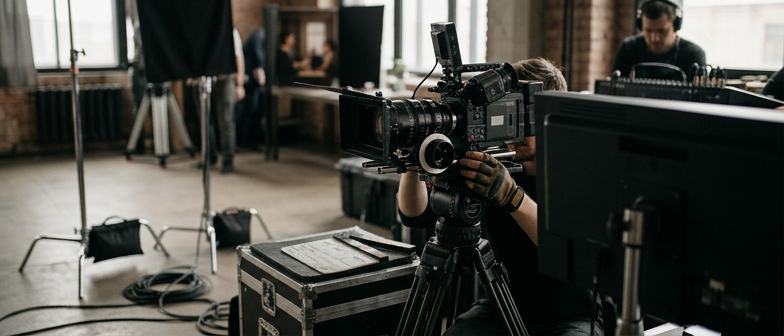
Within that structure, camera crew responsibilities and other technical roles turn plans into usable footage and audio. The director of photography and camera operators decide how each shot is framed and executed, while focus pullers, digital imaging technicians, and video assist teams protect image quality and handle data safely. Sound mixers and recordists capture dialogue and location sound that editors can shape into a polished mix. Gaffers, key grips, and other lighting and rigging specialists support the visual look of the project, working closely with the schedule to set up equipment efficiently. When these film production roles communicate well and respect basic scheduling principles, creative teams across film, music videos, game trailers, and talk shows can focus on storytelling instead of fixing preventable problems on set.
| Role Group | Primary Focus | Typical Responsibilities | Best Fit Project Types | Collaboration Priority |
|---|---|---|---|---|
| Producer / Line Producer | Budget and logistics | Resource planning, vendor coordination | Feature films, series, live events | High with all departments |
| Director / Assistant Directors | Creative vision and scheduling | Shot planning, call sheets, time management | Narrative films, game cinematics | High with camera and cast |
| Production Manager | Day‑to‑day operations | Crew onboarding, location organization | Streaming shows, talk formats | Medium with technical teams |
| Director of Photography / Camera Crew | Image capture and style | Framing, movement, data handling | Music videos, trailers, theater recordings | High with lighting and director |
| Sound Mixer / Recordist | Dialogue and ambience | Microphone setup, clean audio capture | Podcasts, concerts, documentary shoots | High with production schedule |
| Gaffer / Key Grip | Lighting and rigging | Fixture placement, safe support systems | Film sets, studio talk shows | High with camera and producer |
From Development to Wrap: How a Production Schedule Works
Production schedule basics are central to behind the scenes production, guiding a film, album, game, podcast, or stage show from early development to final wrap. Work is divided into phases like concept or script development, pre‑production planning, the main production window, and post‑production. Each phase sets clear goals and deadlines, so teams know when scripts lock, sets or assets must be ready, and when filming, recording, or live capture begins. This structured timeline keeps creative plans aligned with time and resources and helps crews avoid rushed days and unfinished tasks. Call sheets and timelines translate those phases into daily actions, listing who is needed, where they must be, and when cameras, microphones, or reviews start. When these documents are coordinated and realistic, they keep departments aligned and allow productions to adapt while still delivering a polished result.
Designing the World: Sets, Spaces, and Visual Mood
Behind the scenes production basics become concrete when a story needs a physical or digital world. Set design planning begins with the script and the director’s vision, turning emotions and themes into locations, colors, and textures for film, theater, games, music videos, or video podcast studios. Production designers and art directors sketch concepts, build mood boards, and study architecture, local traditions, and everyday objects so environments show genuine cultural appreciation rather than stereotypes. Whether dressing a rehearsal room or a large soundstage, they balance style with camera movement, sightlines, and safe paths for actors and crew during complex scenes.
Once the overall visual mood is set, the design team works with cinematographers, lighting specialists, and sound departments so the space supports camera setups and performance. Walls may move to give the camera crew access, and surfaces are chosen to avoid reflections or noise while still honoring the cultures that influence the look. In games and virtual production, environment artists follow similar principles, shaping digital spaces that guide players’ focus and support storytelling. Across formats, thoughtful sets and environments define how audiences feel about the story world from the first frame or stage cue, turning empty rooms and city streets into purposeful spaces that serve character and narrative.
Balancing Creativity and Logistics in Set Design Planning
In Behind The Scenes Production Basics, set design planning sits between imagination and practicality and connects closely to key film production roles. Art directors and set designers start from the script and tone, shaping spaces that serve the story’s characters and genre, then trim ideas to fit budget limits, build time, storage, and safety rules so chosen materials look authentic yet withstand repeated use.
Designers coordinate with camera and sound teams so sets support movement and recording needs as well as visual style. Walls may move, ceilings may accept lighting rigs, and surfaces are chosen to avoid harsh reflections and noise, helping the crew place dollies, microphones, and cables safely and keeping the overall production running smoothly.
Picture and Light: Camera Crews and Lighting Basics
On a film set, concert shoot, game cutscene, or podcast video, the camera crew turns creative plans into actual pictures. The director of photography defines the visual style, choosing lenses, framing, and movement that fit the story or performance. Camera operators execute those decisions as steady, well‑composed shots and maintain focus under pressure. Assistants support them by pulling focus, changing lenses, and handling technical checks, so the camera runs smoothly during complex scenes or long interviews. These camera crew responsibilities protect continuity, making sure each shot can later be edited into a clear narrative or performance highlight.
Lighting teams shape how brightness, color, and shadow appear on screen so the image supports the story. The gaffer and lighting technicians design the overall lighting setup, balancing key, fill, and back light to keep performers, props, and sets readable and expressive. For live music they may push more dramatic color and motion, while for narrative films or game cinematics they adjust contrast and softness to suggest mood without pulling attention from the actors. They also avoid noisy fixtures and unsafe cable runs that could interfere with sound or movement. When camera and lighting departments collaborate, they deliver images that are technically clean and emotionally engaging.
Q&A
What do people mean by behind‑the‑scenes production basics in film, games, and podcasts?
They mean the planning and coordination that turn creative ideas into finished experiences, including roles, schedules, technical setups, and review processes audiences rarely see.
Which film production roles keep a shoot organized day to day?
Producers handle budgets and logistics, directors guide the creative vision, while production managers and assistant directors translate scripts into call sheets and a workable timetable.
How does set design planning support cultural appreciation instead of stereotypes?
Production designers research real architecture, local traditions, and everyday objects, then use mood boards and sketches to create spaces that feel respectful and grounded in reality.
What are the main responsibilities of the camera crew during a project?
The director of photography shapes the visual style, operators capture steady shots, and assistants manage focus, lenses, and technical checks so footage edits smoothly later.
What does a basic production schedule cover from development to wrap?
It breaks work into development, pre‑production, production, and post‑production, with clear deadlines, call sheets, and timelines that show who is needed, where, and when.