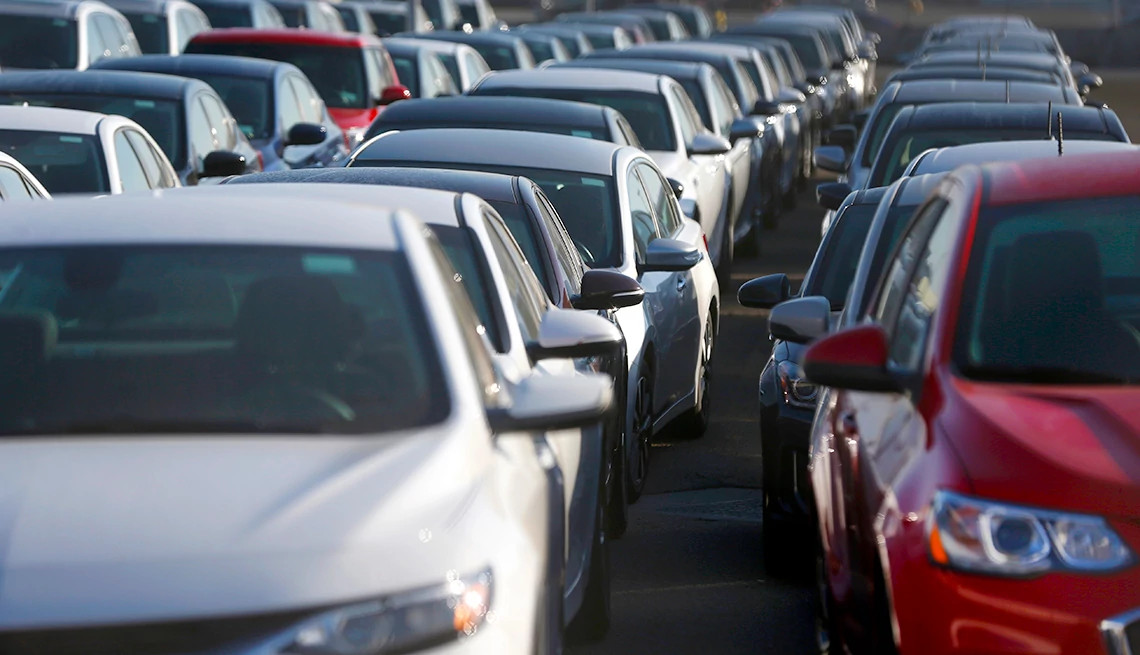
The market for former rental cars represents a distinct and often polarizing segment of the used vehicle landscape. These are vehicles that have lived a life of high turnover and varied drivers, accumulating miles at a rapid pace in a relatively short period. For the informed buyer, they offer a unique value proposition: recent model years with modern features at aggressive prices. However, capitalizing on this opportunity requires a clear understanding of their operational history, a realistic assessment of wear, and an honest alignment of the vehicle's profile with the buyer's own needs and risk tolerance.
The Reality of a Rental Lifecycle
To properly evaluate a former rental car, one must first comprehend the environment from which it came. These vehicles are not personal assets but revenue-generating tools, and their treatment and maintenance reflect this commercial purpose. Their history shapes them in consistent and predictable ways.
Understanding Accelerated Use and Mileage Accumulation
The defining characteristic of a rental fleet vehicle is its high usage patterns. Unlike a privately-owned car that may accumulate 12,000 miles annually, a rental can easily see double that in a single year. More critically, these miles are often hard miles. They consist of a high proportion of cold starts, short trips, and constant highway cruising at varying speeds with different driving styles. The vehicle may have spent significant time idling at airports or been driven on poorly maintained roads. While the odometer might show a number that seems reasonable for the car's age, the nature of those miles can accelerate wear on the engine, transmission, brakes, and suspension. The mileage represents intensity of use, not just distance.
The Nature of Fleet Service and Oversight
The maintenance schedule reality for rental fleets is a double-edged sword. On one hand, large rental companies have strict, regimented maintenance programs to protect their assets and ensure reliability for customers. Oil changes, tire rotations, and basic checks are performed like clockwork, often at in-house service centers, and these records are typically systematic and digital. This ensures a baseline of preventative care that some private owners neglect. On the other hand, maintenance is performed to a cost-effective standard, not a loving one. Fluids will be changed on schedule, but likely with bulk-grade products. Repairs will be made to return the car to service quickly and economically, not necessarily with the highest-quality aftermarket parts. The focus is on operational readiness and minimizing downtime, not on long-term preservation.
Assessing the Physical and Financial Proposition
Evaluating a former rental requires shifting your inspection criteria and performing a clear-eyed cost-benefit analysis. The value is upfront and monetary, while the potential costs are related to accelerated wear and a less personal history.
A Focused Approach to Interior and Exterior Wear
A thorough interior wear assessment is paramount. With dozens or hundreds of different drivers, the interior bears the brunt of indifferent use. Inspect every switch, button, and control on the dashboard and steering wheel for looseness or malfunction. Check the condition of upholstery—especially on seat edges and armrests—for stains, excessive stretching, or premature wear. Look for scratches on all plastic surfaces, console lids, and door panels. The cargo area may show scrapes and dents from luggage. Externally, pay close attention to the front bumper, hood, and windshield for rock chips, and the alloy wheels for curb rash. This wear is less about negligence and more about the statistical probability of damage with high user turnover.
Analyzing the Core Financial Equation
The primary allure is the price tradeoffs. Former rental cars are typically priced significantly below comparable privately-owned or even dealer-certified used cars of the same model year and mileage. This aggressive pricing directly reflects the market's discount for their fleet history and perceived hard use. The financial question becomes whether the upfront savings are sufficient to offset potentially higher maintenance costs or a slightly shorter overall ownership horizon. This is the essential risk vs value analysis. You are trading a higher probability of cosmetic imperfections and above-average wear on consumable components (tires, brakes, interior) for immediate capital savings on the purchase price.
Determining Fit and Making an Informed Decision
Not every buyer is a good candidate for a former rental car. The purchase makes the most sense when the vehicle's profile aligns perfectly with specific ownership goals and tolerances.
Identifying the Ideal Buyer Profile
So, who should buy a former rental car? The ideal candidate is a pragmatic, value-driven buyer with specific parameters. This includes the budget-conscious shopper who prioritizes getting the newest possible vehicle with modern safety and infotainment features for their money. It also suits the short-term planner who intends to own the car for only 3-4 years, aiming to exploit its steep initial depreciation during a period when it is still relatively young and reliable. Additionally, it can be a good fit for those who view a car strictly as transportation, are unfazed by minor cosmetic flaws, and have the discipline to perform immediate, thorough preventative maintenance upon purchase.
The Critical Post-Purchase Protocol
Successful ownership begins the moment you take possession. The single most important action is to treat the purchase as a "zero-hour" baseline. Regardless of the fleet service records, plan for and budget an immediate, comprehensive service. This should include a full fluid flush and replacement (engine oil, transmission, coolant, brake fluid), a detailed inspection and likely replacement of the brake pads and rotors, a new set of high-quality tires, and a replacement of the cabin air filter. This "re-setting" of the maintenance clock addresses the cumulative wear of varied use and establishes your own known standard of care. It is the key step in transforming a fleet commodity into a reliable personal vehicle.
Q&A
Q: Are rental cars really driven more aggressively than privately-owned cars?
A: Statistically, yes, they experience higher usage patterns with more varied drivers. While not every driver is aggressive, the probability of encountering one is high over hundreds of short-term rentals. This leads to more frequent full-throttle acceleration, harder braking, and less mechanical sympathy, which cumulatively stresses components.
Q: Can I trust the maintenance records from a rental company?
A: The records are typically reliable for proving that scheduled services occurred, reflecting the maintenance schedule reality of fleet operations. However, understand that services were performed to a minimum standard for fleet efficiency. It's wise to verify the actual condition of components rather than relying solely on the record of a service being logged.
Q: What are the most important things to check inside a former rental car?
A: Conduct a meticulous interior wear assessment. Test every electronic feature (windows, locks, infotainment screen, all buttons). Inspect upholstery for stains, tears, and odor. Check seat adjusters, seatbelt mechanisms, and the condition of all storage compartments and cup holders for damage or sticky residues.
Q: Is the lower price of a former rental car always a good deal?
A: It represents a price tradeoff, not an automatic win. The deal is only good if the upfront savings outweigh the cost of addressing accelerated wear and your personal risk tolerance. A thorough pre-purchase inspection is non-negotiable to quantify potential near-term repair costs and inform your risk vs value analysis.
Q: I'm planning to keep a car for 7+ years. Should I buy a former rental?
A: Generally, it is not the optimal choice for long-term holders. The high usage patterns and fleet-grade maintenance may lead to earlier-than-average major component wear (e.g., suspension, transmission). For a 7+ year horizon, a well-maintained, lower-mileage private-owner vehicle often provides better long-term reliability and lower total cost of ownership, despite a higher initial price.