
Conquering untamed landscapes demands more than just a vehicle; it calls for a machine meticulously crafted to tackle rugged challenges with precision. From engineered excellence to majestic vistas, these dynamic machines transform unmanageable paths into thrilling escapades, embedding every adventure with unrivaled thrill and unmatched storytelling potential.
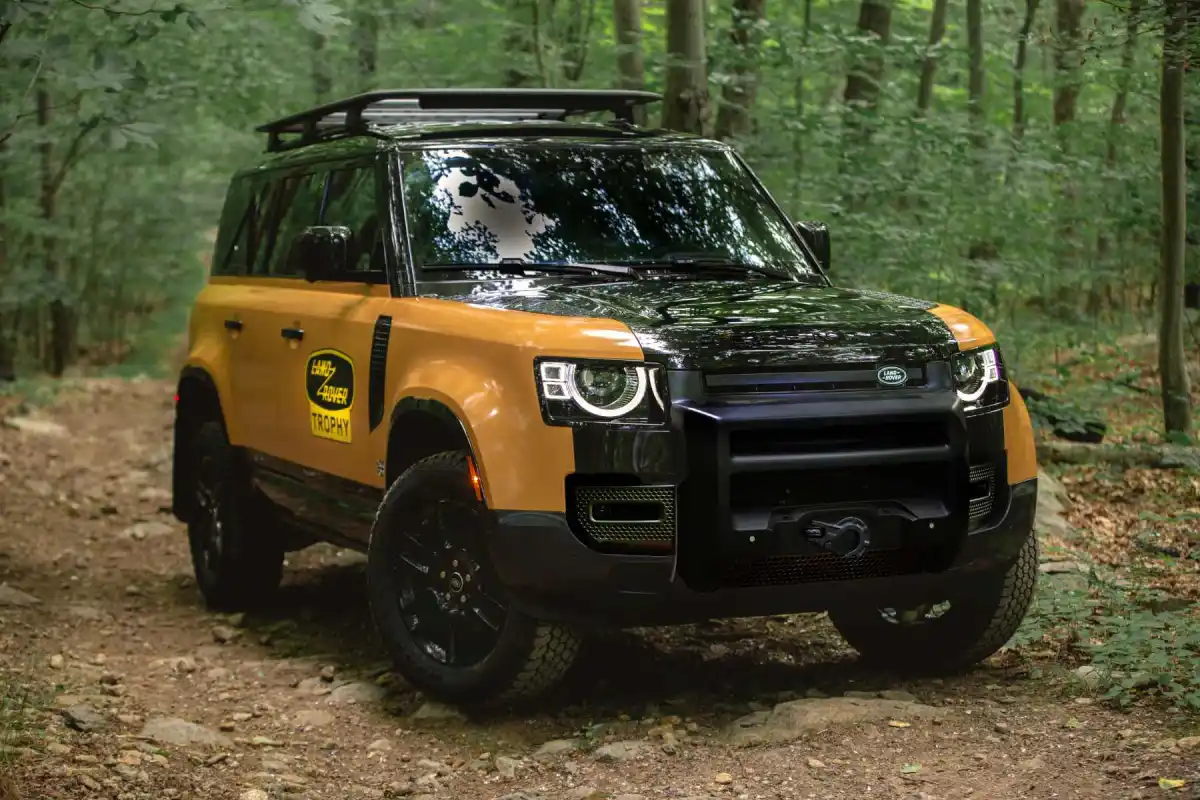
Conquering untamed landscapes demands more than just a vehicle; it calls for a machine meticulously crafted to tackle rugged challenges with precision. From engineered excellence to majestic vistas, these dynamic machines transform unmanageable paths into thrilling escapades, embedding every adventure with unrivaled thrill and unmatched storytelling potential.
The Foundation of Mechanical Capability
Elevating the Journey
When leaving the pavement behind, the vertical distance between the chassis and the uneven ground becomes the primary determinant of success. This vertical space is not merely about aesthetics; it is a functional necessity that dictates which obstacles can be straddled and which must be avoided entirely. A vehicle designed for the wild must possess sufficient height to clear rocks, fallen logs, and deep ruts without dragging its underbelly.
However, elevation is about more than just height; it is about geometry. The angles at which a vehicle approaches an incline or departs from a drop-off are critical. If the front bumper hangs too low, it acts as a plow rather than a passageway. Similarly, a low-hanging rear bumper can snag on rocks as the vehicle climbs out of a ditch. High-clearance designs ensure that the wheels are the first point of contact with any obstacle, allowing the suspension to do its work rather than subjecting the bodywork to damaging impacts. This architectural advantage allows for a smoother, more confident progression through complex environments where the terrain is constantly shifting.
Armor Against the Elements
Even with substantial height, contact with the ground is sometimes inevitable when traversing particularly harsh landscapes. This is where protective reinforcing becomes essential. Without proper shielding, vital components such as the oil pan, transmission, and fuel tank are vulnerable to punctures from jagged rocks or hidden stumps. A single impact in these sensitive areas can turn an exciting afternoon into a recovery nightmare.
To mitigate this risk, capable machines are equipped with robust plating known as armor. Unlike standard plastic splash guards found on commuter cars, these plates are constructed from heavy-duty steel or reinforced aluminum alloy. They are designed to slide over obstacles rather than catch on them, effectively acting as a sled for the vehicle’s heavy undercarriage. This protective layer provides peace of mind, allowing the driver to focus on line selection and throttle control rather than worrying about mechanical failure from beneath.
| Protection Type | Primary Function | Best Use Case | Durability Level |
|---|---|---|---|
| Factory Plastic Guards | Aerodynamics and dust protection | Light gravel roads and highway driving | Low |
| Stamped Steel Plates | Impact absorption and component shielding | Moderate trails with rocks and ruts | High |
| Aluminum Alloy Armor | Corrosion resistance and weight saving | Overland expeditions requiring fuel efficiency | Medium-High |
| Tubular Rock Sliders | Rocker panel protection | Heavy rock crawling and tight technical trails | Very High |
Intelligence Behind the Wheel
Adapting to Shifting Surfaces
The modern wilderness machine is a blend of mechanical brawn and digital intelligence. One of the most significant advancements in recent years is the ability to tailor the vehicle's behavior to specific environmental conditions. Traction is not a one-size-fits-all concept; the physics of gripping loose sand are vastly different from those required to navigate slippery mud or packed snow.
Advanced systems allow the driver to select a profile that matches the ground beneath them. When set to a setting for sand, the throttle response may be softened to prevent the wheels from digging in, while the transmission holds gears longer to maintain momentum. Conversely, in a rock-crawling setting, the system might sharpen throttle sensitivity for precise movements and lock differentials to ensure all wheels turn at the same speed. This electronic adaptability creates a symbiotic relationship between the driver’s intent and the tire’s grip, essentially reconfiguring the engine, transmission, and braking systems on the fly to maximize forward progress.
Mastering the Steepest Slopes
Gravity is both an ally and an adversary in the wild. While climbing requires power and traction, descending steep gradients requires controlled friction and immense patience. In the past, this relied entirely on the driver’s ability to modulate the brake pedal without locking the wheels, a skill that takes years to master.
Today, automated assist technologies take the anxiety out of steep declines. By utilizing the anti-lock braking system, the vehicle can monitor the speed of each wheel independently. If the vehicle begins to slide or accelerate too quickly due to gravity, the system applies rapid, pulsed braking to individual wheels to maintain a slow, steady walking pace. This allows the driver to remove their feet from the pedals entirely and focus solely on steering around obstacles. It transforms a white-knuckle descent into a controlled, manageable maneuver, ensuring safety even on loose gravel or slick wet grass where human reaction times might not be fast enough.
The Art of Adventure Driving
Refining Trail Performance
Possessing a capable machine is only half the equation; understanding how to wield it defines the true enthusiast. Successful navigation through the wilderness is less about speed and more about momentum and placement. The philosophy of "as slow as possible, as fast as necessary" guides the most experienced drivers. This approach minimizes damage to the trail and the vehicle while ensuring a smooth ride for passengers.
Reading the terrain is a skill developed over miles of exploration. It involves analyzing the texture of the dirt, the stability of rocks, and the depth of water crossings before entering them. A skilled driver knows when to engage low-range gearing to multiply torque and when to rely on momentum to carry the vehicle over a sandy crest. This connection between human judgment and mechanical capability is what defines the spirit of exploration. It turns driving into an active, engaging pursuit where every decision has an immediate physical consequence, fostering a deep respect for both the machine and the environment it traverses.
| Terrain Type | Recommended Driving Strategy | Key Vehicle Feature Usage |
|---|---|---|
| Deep Sand | Maintain momentum; avoid sharp turns; stop on declines | High RPMs; Tire deflation; Sand Mode |
| Rock Gardens | Slow, precise crawling; place tires on high points | Low-range gearing; Locking differentials; Skid plates |
| Mud Ruts | Steady throttle; keep wheels moving to clear tread | Mud/Rut Mode; Aggressive tire tread; Momentum |
| Steep Inclines | Consistent power; straight approach angle | Hill Start Assist; Torque multiplication |
| Water Crossings | Steady "bow wave" speed; know the depth limit | Elevated air intake; Door seals; Steady throttle |
Q&A
What is ground clearance and why is it important for off-road SUVs?
Ground clearance refers to the distance between the lowest point of a vehicle and the ground. It is crucial for off-road SUVs as it determines the vehicle's ability to navigate over obstacles like rocks, logs, and uneven terrain without damaging the undercarriage. Higher ground clearance allows for better off-road capability and helps prevent the vehicle from getting stuck or damaged.
How do terrain modes enhance off-road driving in SUVs?
Terrain modes are specialized driving settings in SUVs that optimize the vehicle's performance for different types of terrain, such as mud, sand, or snow. By adjusting parameters like throttle response, transmission gearing, and traction control, terrain modes help maintain traction and stability, making it easier and safer to drive in challenging off-road conditions.
What is the function of skid plates in off-road vehicles?
Skid plates are protective metal sheets installed on the underside of an off-road vehicle. They safeguard critical components such as the engine, transmission, and fuel tank from damage caused by rocks, debris, and rough terrain. Skid plates are essential for maintaining the integrity and performance of off-road SUVs during adventurous drives over harsh landscapes.
How does hill descent control benefit off-road adventures?
Hill descent control is a feature that automatically manages the speed of an SUV when descending steep slopes. By controlling the braking system, it allows the driver to focus on steering without worrying about manually applying the brakes, thus preventing the vehicle from accelerating uncontrollably. This feature enhances safety and control during off-road adventures on hilly terrain.
What factors contribute to trail performance in off-road SUVs?
Trail performance in off-road SUVs is influenced by several factors, including the vehicle's suspension system, tire type and tread, drivetrain capabilities, and available off-road features like locking differentials and low-range gearing. Together, these elements determine how well an SUV can handle rugged trails and challenging conditions, ensuring a capable and enjoyable adventure driving experience.