
Meal portion awareness offers a practical way to balance serving sizes, plate layout, eating pace, and leftovers so meals feel satisfying rather than rigid. It focuses on everyday habits and encourages checking in with hunger and fullness while reminding you that personal medical questions need professional guidance.
Why Meal Portion Awareness Matters in Everyday Life
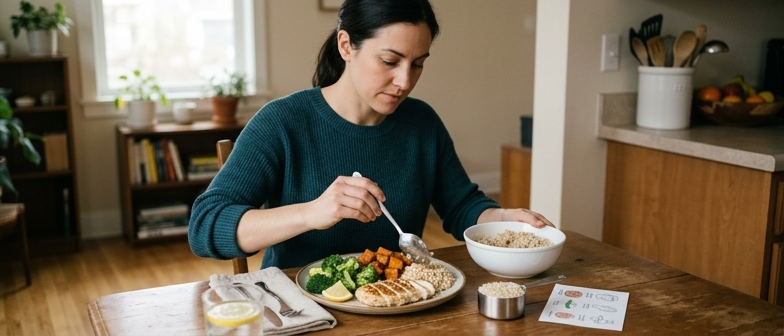
Meal Portion Awareness is a practical way to notice how much food goes on your plate and how it supports everyday wellness habits. Instead of strict rules, it helps you pay attention to typical serving sizes, how different foods are balanced at each meal, and what fits your daily routine. This awareness can make meal planning feel more realistic for your schedule, budget, and preferences, while still leaving room for enjoyment. Many people find that simply being more conscious of portions makes it easier to check in with hunger and fullness signals instead of eating on autopilot.
The information in this article is neutral, educational guidance and not personal medical advice. Everyone’s needs differ, and factors such as age, activity level, health history, and cultural food traditions influence what portion sizes feel right. Meal portion awareness is meant to support mindful choices, not to create guilt or rigid rules around eating. If you have ongoing symptoms, urgent health concerns, or questions about portions with a medical condition or specific nutrition needs, talk with a qualified healthcare professional who can offer individualized care.
Understanding Serving Size References and Your Own Needs
Meal portion awareness often starts with reading serving size references on food labels and in nutrition guidelines. A serving size is a standardized amount, such as one cup or a set number of ounces, designed so people can compare foods and understand what is in them. These references help you notice how much you pour, scoop, or place on your plate, but they are not strict directions for how much every person should eat. Your age, daily activity, preferences, and overall health goals all shape what feels like an appropriate portion, and those needs can change over time.
Because serving size references are based on averages, the portion you actually eat may be smaller or larger than what appears on packaging or in charts. Using them as a starting point rather than a rule supports flexible meal portion awareness. Many people compare the suggested amount with what they normally eat and then pay attention to hunger and fullness cues during the meal. If you are unsure how these recommendations fit your individual needs or you have concerns about your eating patterns, bring these questions to a qualified healthcare professional or registered dietitian. They can interpret general information in light of your medical history and offer guidance tailored to you, which this educational overview cannot replace.
| Food Type | Label Serving Size Reference | Common Everyday Portion | Portion Awareness Note |
|---|---|---|---|
| Ready-to-eat cereal | Small bowl measure | Generous breakfast bowl | Notice if larger bowls feel comfortable or overly filling |
| Pasta or rice | Modest cooked amount | Heaped dinner plate | Compare label amount with usual plate and check fullness mid-meal |
| Snack foods | Handful or small scoop | Multiple handfuls during activities | Use serving size as a check-in rather than a strict limit |
| Nut butters or spreads | Thin layer on bread | Thick spread or multiple layers | Adjust spread to hunger and taste while staying aware of typical references |
| Frozen meals | Single tray portion | Tray plus extra sides | Treat listed serving as a baseline and tune portions to your own needs |
Reading Labels and Using Serving Sizes as Flexible Guides
Food labels can be a useful serving size reference when you want more awareness of how much you put on your plate. Serving information near the top of the Nutrition Facts panel offers a rough guide for portions and can support simple meal planning portions. These amounts reflect what people typically eat at one time, not what you personally must eat, so treat them as starting points instead of strict rules. Compare the suggested portion with what you usually serve and adjust it based on your hunger, activity level, and overall sense of what feels appropriate for you. If you have ongoing questions about how much to eat or how labels relate to your health, discuss them with a licensed healthcare professional for advice that fits your situation.
Portion-Friendly Plate Arrangements and Meal Planning
Meal portion awareness often starts with what you see on your plate. An easy visual guide is to let vegetables and fruits cover about half the surface, with the rest shared by protein foods and grains or other starches. This plate arrangement idea helps you serve balanced amounts without measuring every bite and makes it clearer when one food group regularly crowds out the others. Using smaller plates or bowls can also limit how much food fits on the dish and gently nudge portions toward more comfortable serving sizes.
Turning these visuals into meal planning portions can make the week feel more organized. When planning meals, think about how many times you want to include vegetables, whole grains, and a protein source, then estimate how much of each food you need. You might plan a certain number of home dinners and decide in advance how much lean protein or beans, chopped produce, and grain staples will fit into those meals. This kind of planning makes serving size decisions simpler at mealtime and supports everyday habits rather than strict rules.
Portion-friendly plates can also guide what happens after the meal. If you regularly end up with more food than your hunger level calls for, setting aside a reasonable leftover portion for another day can reduce unplanned overeating and food waste. Storing leftovers in single-meal containers helps you see at a glance how much food is there and gives you a quick reference the next time you serve a plate. These general strategies do not replace personalized medical guidance, so anyone with ongoing symptoms or specific questions about eating patterns should seek advice from a qualified healthcare professional.
Planning Portions at Home and for On-the-Go Meals
At home, meal planning portions can follow a simple plate arrangement idea. Picture your plate in sections, with most space for vegetables or fruit, a moderate area for whole grains or other starches, and a smaller area for protein. Serve vegetables first, then add grains and protein, using familiar cups or bowls so portions stay fairly consistent. These visuals support everyday Meal Portion Awareness but do not replace personalized advice from a healthcare professional if you have medical needs.
For meals and snacks you take with you, use the same balance in containers instead of a plate. One container can hold cut produce, another a grain or starchy side, and a third a protein choice, so the overall meal feels practical for your day. Planning portions this way can reduce packing very large or very small amounts without noticing and helps on-the-go eating feel more intentional.
Eating at a Mindful Pace and Checking In With Hunger
Meal portion awareness is shaped not only by what is on the plate but by how you move through a meal. A mindful eating pace gives your body time to notice early comfort instead of rushing past it. Pausing between bites, setting utensils down briefly, or taking a sip of water can gently slow the rhythm of eating. Many people find that this calmer way of eating makes it easier to notice when a portion feels satisfying rather than automatic or oversized. The aim is a realistic, sustainable way of paying attention to meals without judgment or pressure.
Brief check-ins with hunger and fullness before, during, and after eating can further support portion awareness. You might mentally note where you are on your own hunger‑to‑comfort scale, asking whether you feel comfortably hungry, pleasantly satisfied, or uncomfortably full. A pause halfway through a meal to make this observation can guide decisions about whether to keep eating, slow down, or save the rest for later. These reflections are meant to be gentle and curious, not strict rules, and they help typical serving sizes line up with how your body feels in the moment.
Over time, pairing a mindful pace with regular hunger and fullness notes can make portions feel more intentional and less like guesswork. You may notice patterns, such as times of day that call for a more substantial meal or situations that lead to eating quickly or beyond comfort. Jotting a few casual thoughts after meals can highlight these trends without turning eating into a rigid task. This chapter offers everyday wellness ideas only and is not a substitute for personalized medical advice; if you have ongoing concerns about eating patterns or what portions suit your health needs, consult a qualified healthcare professional.
Q&A
How can Meal Portion Awareness help with everyday eating without feeling restrictive?
It encourages you to notice how much food goes on your plate, how different foods are balanced, and how portions match your routine, budget, and preferences, while still leaving room for enjoyment.
What is a Serving Size Reference, and how should I use it?
A serving size reference is a standard amount on labels or guidelines, meant for comparison. Use it as a flexible starting point, adjusting portions to your hunger, activity, and comfort.
Do you have simple plate arrangement ideas for balanced portions?
One common approach is filling about half your plate with vegetables and fruits, with the other half divided between protein foods and grains or other starches, using smaller dishes if helpful.
How does a mindful eating pace relate to portion sizes?
Eating slowly, pausing between bites, and checking in with your body can make it easier to notice when a portion feels satisfying instead of automatic or larger than you need.
What are practical ways to handle leftovers and hunger and fullness notes?
You can store leftover portions in single-meal containers and jot down brief hunger and fullness observations. For ongoing concerns, talk with a qualified healthcare professional for personal guidance.