
In an era where digital impressions are as crucial as showroom visits, the automotive marketplace is evolving swiftly. Establishing a commanding online footprint is no longer an option but a necessity for those aiming to capture dynamic customer interest and convert virtual interactions into tangible sales.
Redefining the Visual and Financial Journey
Immerse the Buyer: The Power of High-Definition Exploration
The process of selecting a vehicle has fundamentally shifted. Gone are the days when the only way to experience a car was to spend a Saturday afternoon physically walking through a dealership lot. Today, that experience must be replicated—and enhanced—within a digital environment. It is no longer sufficient to simply upload a gallery of static images; modern consumers demand an immersive, interactive experience that rivals reality.
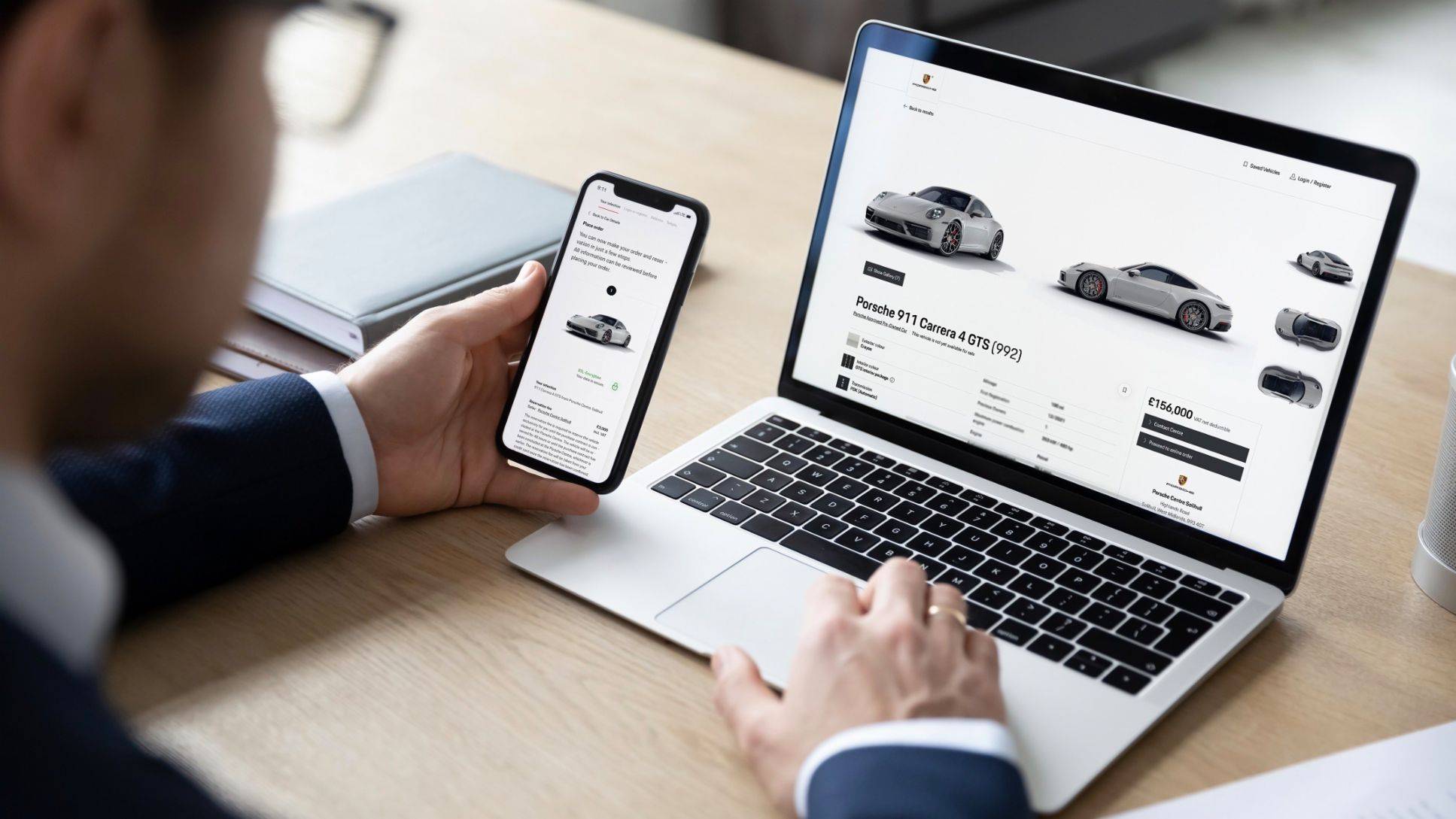
This is where high-definition, 360-degree interactive camera tours and advanced 3D configurators come into play. These tools allow a customer sitting in their living room to virtually "sit" inside the vehicle, examining the texture of the leather, the layout of the dashboard, and how the body color shifts under different lighting conditions. By providing this level of detail, dealerships can help customers form a strong emotional connection with a vehicle before they ever step foot on the physical premises. When a customer can manipulate the view, zoom in on specific features, and visualize their preferred options instantly, they move from a state of passive browsing to active psychological ownership. This reduces the friction of physical travel and allows the customer to solidify their purchase decision in a low-pressure environment, meaning that when they finally visit the dealership, they are already sold.
Frictionless Finance: Streamlining the Transaction
Beyond visual appeal, the functional capability of a dealership’s digital hub is a primary driver of conversion. One of the most significant pain points in traditional car buying is the opacity of the financial process. Customers often feel anxious about negotiating terms or discovering that a vehicle is out of their budget after hours of discussion. Modern websites address this by integrating sophisticated financing widgets directly into the vehicle detail pages.
These tools allow users to calculate monthly payments, estimate trade-in values, and even run soft credit checks in real-time without affecting their credit score. By empowering the customer to build their own deal, the website transitions from a digital brochure to a transactional platform. When a customer can see exactly what a car will cost them per month based on their specific deposit and credit profile, the psychological hurdle to purchase lowers significantly. Furthermore, this transparency filters leads effectively; a customer who submits a lead after configuring their payment plan is a high-intent buyer. For the dealership, this means the sales team spends less time qualifying generic inquiries and more time finalizing deals with customers who have already engaged deeply with the financial reality of the purchase.
| Feature Type | Traditional Website Approach | Modern Interactive Strategy |
|---|---|---|
| Visuals | Static photo galleries (20-30 images). | 360° interior/exterior spins, video tours, 3D configurators. |
| Pricing | "Call for Price" or MSRP only. | Real-time penny-perfect payment calculators & tax inclusion. |
| Engagement | Passive browsing (Reading specs). | Active participation (Building deals, valuing trade-ins). |
| Outcome | High bounce rate, low-quality leads. | Higher time-on-site, "transaction-ready" leads. |
Humanizing the Digital Connection
The Need for Speed: Real-Time Responsiveness
In the digital automotive landscape, the currency of success is speed. The modern consumer, conditioned by on-demand services in every other aspect of their lives, has little patience for delayed responses. Historically, a customer might submit an inquiry form and wait 24 to 48 hours for an email reply. Today, that lag time is a silent deal-killer. If a potential buyer is browsing a site and has a question about inventory availability or a specific feature, they expect an answer immediately.
Implementing real-time messaging tools and instant connection platforms is critical. This isn't just about convenience; it demonstrates a dealership's hunger for the business and respect for the customer's time. Whether it is through a live chat widget managed by a dedicated team or an AI-driven assistant that can answer basic queries 24/7, the goal is to capture the customer's enthusiasm at its peak. When a specific question regarding a trim level or a finance rate is answered instantly, it replicates the reassuring guidance of a showroom floor sales consultant. This immediacy builds the first layer of trust, proving that the dealership is attentive, professional, and ready to serve.
Personalization Through Video: Bridging the Physical Gap
While text-based chat provides speed, video communication provides the necessary human warmth that digital transactions often lack. There is a profound difference between reading an email stating "Yes, the car is available" and receiving a personalized video message from a sales consultant standing next to the vehicle.
A "virtual walkaround" video, recorded specifically for the inquiring customer, serves multiple strategic purposes. First, it serves as proof of life—confirming the vehicle is physically on the lot and in the condition described. Second, it allows the sales consultant to highlight specific features that matter to that individual buyer, such as trunk space for a family or tech features for a commuter. Third, and perhaps most importantly, it introduces the salesperson as a human being, not just a faceless entity. By hearing a friendly voice and seeing a professional demeanor, the customer’s anxiety about visiting the dealership diminishes. This tailored approach leverages digital tools to create a rapport that was previously only possible face-to-face, ensuring that the digital conversation seamlessly transitions into a physical appointment.
Expanding Influence and Building Trust
The Currency of Social Proof
In the absence of a physical inspection, a dealership's reputation becomes the primary proxy for trust. Before a customer commits to visiting a showroom, they will almost certainly audit the business through search engines and review platforms. In the past, word-of-mouth was local and verbal; today, it is global and permanent. A collection of authentic, positive testimonials acts as powerful social proof, validating the quality of both the inventory and the service.
However, reputation management is not solely about accumulating five-star ratings. It is equally defined by how a business handles criticism. Negative feedback regarding service delays or vehicle issues is inevitable. The strategic differentiator lies in the public response. Responding to negative reviews with empathy, speed, and a genuine desire to rectify the situation signals transparency to future customers. It shows that the dealership stands behind its products and values customer satisfaction even after the sale is complete. Smart dealerships actively integrate these third-party reviews into their own websites, placing unfiltered feedback next to inventory listings. This transparency reduces skepticism and positions the dealership as a confident, customer-centric organization.
Leveraging External Marketplaces
While a robust proprietary website is the headquarters of a dealer's digital presence, relying on it exclusively limits reach. A significant portion of car shoppers begin their journey on massive aggregator platforms—the digital equivalent of a mega-mall where all brands and models are displayed side-by-side. These third-party marketplaces command immense traffic and search authority, capturing customers who may not yet be loyal to a specific dealership or brand.
To succeed here, dealers must view these platforms not just as advertising billboards, but as extensions of their virtual showroom. The strategy requires consistency and distinctiveness. Inventory feeds must be synchronized perfectly to avoid the frustration of "ghost listings" (cars that are sold but still listed). Furthermore, because the competition on these sites is visual and price-driven, listing quality is paramount. Descriptions must be transparent about the vehicle's condition, including any imperfections, to build trust before the first contact. High-quality images and detailed, honest narratives help a listing stand out in a sea of generic thumbnails. By treating these external channels with the same care as the primary website, dealers can funnel a wider stream of traffic back to their own ecosystem.
| Strategy Component | Purpose | Best Practice |
|---|---|---|
| Review Integration | Validates claims with social proof. | Embed live Google/Facebook review feeds on the homepage and VDPs. |
| Crisis Management | Mitigates damage from negative feedback. | Reply publicly within 24 hours; offer offline resolution paths. |
| Aggregator Listings | Captures top-of-funnel traffic. | Use unique descriptions (no boilerplate text) and 20+ HD photos. |
| Data Synchronization | Prevents customer frustration. | Ensure price and availability update across all sites in real-time. |
Q&A
How can dealership website optimization improve customer experience?
Dealership website optimization enhances customer experience by ensuring faster load times, intuitive navigation, and mobile responsiveness. By improving these aspects, potential buyers can easily access vehicle information, schedule test drives, and communicate with sales representatives without frustration, leading to a more pleasant and efficient online shopping journey.
What are the benefits of offering virtual showroom tours on a dealership's website?
Virtual showroom tours allow customers to explore a dealership’s inventory from the comfort of their homes. This feature can significantly increase engagement by providing a detailed, immersive experience that mimics a physical visit. It helps in building customer trust and can lead to higher conversion rates, as customers feel more informed and confident in their purchasing decisions.
Why is online chat support crucial for modern dealership websites?
Online chat support is crucial as it offers immediate assistance and answers to customer queries, enhancing the overall user experience. This feature can help in capturing leads by engaging with potential buyers in real-time, addressing their concerns promptly, and potentially accelerating the sales process.
How do third-party listing sites like Autotrader benefit dealerships?
Third-party listing sites like Autotrader provide dealerships with a broader audience reach and increased visibility. These platforms attract a large number of potential buyers, which can drive more traffic to a dealership's website. Being present on these sites also adds credibility and can improve the chances of selling vehicles faster by reaching customers who may not have discovered the dealership otherwise.
What role does online reputation management play in a dealership's success?
Online reputation management is critical for a dealership's success as it involves monitoring and influencing the dealership’s online presence and reviews. A positive reputation can lead to increased trust and credibility among potential buyers, ultimately affecting sales. Proactively managing reviews and feedback helps in addressing customer concerns, improving services, and maintaining a favorable image in the competitive automotive market.
How do video walkarounds enhance the car buying process online?
Video walkarounds provide detailed visual insights into vehicles, showcasing features and conditions that static images may not capture. This tool helps in building transparency and trust with potential buyers, who can better understand a vehicle’s value and condition. It serves as an effective sales tool by giving customers a closer look at the inventory, encouraging informed decision-making and potentially reducing the need for in-person visits.