
Everyday oral hygiene routine basics help you build a steady approach to toothbrushing, flossing, fluoride toothpaste use, and toothbrush storage. This overview offers practical mouth care reminders and preparation tips for dental visits, while encouraging you to seek personalized guidance from qualified oral health professionals when needed.
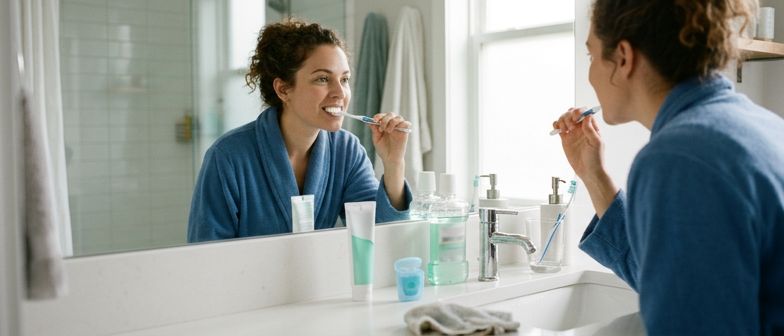
Why Everyday Oral Hygiene Habits Matter
An everyday oral hygiene routine is a practical part of basic self-care, much like regular sleep or balanced meals. Focusing on Oral Hygiene Routine Basics—brushing, cleaning between teeth, and noticing how your mouth feels—helps you care for teeth, gums, and breath in a steady way. Many people use a simple Mouth Care Reminder, such as tying brushing and other steps to morning and bedtime rituals, so mouth care becomes a regular habit instead of an occasional task.
These daily habits support your comfort and routine rather than promising specific health results. Paying attention to changes in your mouth and brushing with care can make dental checkups feel more manageable and less rushed. At the same time, general information about oral hygiene is not a substitute for personalized care. If you have ongoing discomfort, urgent concerns, or questions about your teeth or gums, contact a licensed dentist or other qualified healthcare professional who can look at your situation and offer guidance tailored to you.
Building a Consistent Toothbrushing Routine
A reliable oral hygiene routine starts with a simple toothbrushing schedule that fits your day. Many people brush in the morning after breakfast and at night before bed, giving their mouth a fresh start and a careful clean before sleep. The goal is consistency rather than strict timing, so choose moments you can maintain most days. General guidance is helpful for everyday care, but it does not replace advice that a dentist or other qualified professional may give for your individual situation.
Once you choose brushing times, paying attention to duration and technique helps each session count. A short mouth care reminder, such as a phone alarm or a note near the sink, can prompt you to brush for about two minutes using small, gentle strokes on the front, back, and chewing surfaces of every tooth. A soft-bristled brush and light pressure support comfort and help avoid harsh scrubbing. Routine tips are meant for basic care, so if you notice persistent discomfort, bleeding, or other ongoing changes, contact a dental professional for guidance instead of relying only on general suggestions.
Fluoride toothpaste use is another core part of oral hygiene routine basics at home. For most adults, a pea-sized amount is enough, and checking the product label helps you follow directions suited to you. After brushing, many people spit out excess foam and avoid rinsing with large amounts of water so a thin layer of toothpaste remains briefly on the teeth. These choices may be adjusted after a dental visit or during preparation for professional care, so if you are unsure about timing, products, or technique, a dentist can offer advice tailored to your needs.
| Checklist Step | Daily Timing Hint | Technique / Product Focus | Reminder Note |
|---|---|---|---|
| Choose consistent brushing times | Morning and bedtime | Flexible Toothbrushing Schedule | Match routine to your daily habits |
| Brush for a steady duration | About two minutes | Small gentle strokes on all tooth surfaces | Use a soft-bristled brush with light pressure |
| Use fluoride toothpaste wisely | Each brushing session | Pea-sized amount and label-aware Fluoride Toothpaste Use | Adjust choices with professional guidance when needed |
| Set a Mouth Care Reminder | Before or after regular daily tasks | Phone alarm or note near the sink | Helps maintain Oral Hygiene Routine Basics |
| Review comfort and changes | When discomfort or bleeding persists | Notice ongoing mouth sensations | Consult a qualified dental or healthcare professional |
Choosing and Using Fluoride Toothpaste
Fluoride toothpaste is a basic part of an oral hygiene routine and is often used for everyday brushing. When reading labels, choose a product that clearly states it contains fluoride and is meant for regular toothbrushing, not only cosmetic use. Most adults need only a pea-sized amount on a soft-bristled brush, while young children may require different guidance from a pediatric dentist or other qualified professional. Fluoride toothpaste typically fits into a twice-daily brushing schedule along with flossing and other mouth care habits. This information is general and does not replace personalized dental or medical advice, so anyone with ongoing discomfort, urgent concerns, or questions about which toothpaste suits them should consult a licensed dentist or another healthcare professional.
Adding Flossing and Other Between-Teeth Cleaning
A basic oral hygiene routine needs to clean not only the tooth surfaces but also the spaces between them. Adding flossing or other between-teeth cleaning tools removes soft debris and helps your mouth feel fresher between brushings. Flossing technique basics include choosing a comfortable floss or interdental cleaner and using it gently so you do not irritate your gums. Slide the floss between the teeth, curve it into a C-shape against one tooth, and move it up and down with light pressure before repeating on the neighboring tooth. These careful movements support everyday mouth care but do not diagnose problems or replace professional cleanings.
Making this step part of your oral hygiene routine is easier if the habit is small and predictable. Many people clean between teeth once a day, often in the evening when they have more time. A mouth care reminder such as a note on the mirror, a phone alert, or keeping floss near your toothbrush can help until it feels automatic. If standard floss is difficult to use because of braces, bridges, or dexterity challenges, you can ask a dentist or dental hygienist about tools like floss threaders or small interdental brushes and continue with the option that feels safest and most comfortable.
These guidelines are general education about between-teeth cleaning rather than personal medical advice. If you notice persistent bleeding, discomfort that does not improve, or other concerns, pause and discuss them with a qualified dental professional. They can check for issues, suggest technique changes, and recommend a schedule that fits your overall oral hygiene routine basics. Everyday habits like brushing and cleaning between teeth support wellbeing, but they do not replace regular dental visits or urgent care when something seems wrong.
Gentle Flossing Technique Step by Step
A gentle flossing technique supports everyday mouth care alongside your regular toothbrushing schedule. Take a short length of floss, wrap it around your middle fingers, and guide it with your thumbs and index fingers. Slide the floss carefully between two teeth using a mild back‑and‑forth motion, not a snap, to avoid irritating the gums. Curve the floss into a C‑shape around one tooth, then move it up and down with light pressure to clean the tooth’s side, and repeat on the neighboring tooth before moving to the next space. If this basic method feels difficult or uncomfortable, ask a dentist or dental hygienist to demonstrate alternative tools, adjust your routine, or provide personalized guidance, especially if gum tenderness or bleeding continues.
Caring for Your Toothbrush and Home Care Tools
A basic oral hygiene routine depends not only on how you clean your mouth, but also on how you care for the tools you use every day. After brushing, rinse your toothbrush with tap water to remove leftover toothpaste and debris, then store it upright so the bristles can air‑dry. Avoid closed, damp containers that trap moisture around the bristles. If you share a bathroom, keep toothbrushes separated so the heads do not touch, and replace each brush every few months or sooner if the bristles look frayed. These habits help keep your toothbrush ready for your next brushing session and support the basics of a consistent oral hygiene routine.
Home mouth care tools such as floss holders, interdental brushes, and tongue cleaners also benefit from quick, regular upkeep. Rinse each item after use, check for signs of wear, and follow package instructions on how long to keep or replace it, since different tools have different lifespans. Store products in a clean, dry area away from household chemicals and unrelated items to keep daily mouth care organized and easier to remember. These steps are general wellness guidance; if you have concerns about your home care tools or oral hygiene routine, discuss them with a dentist or other qualified healthcare professional.
Q&A
What are the basics of a daily oral hygiene routine?
Brush twice a day with fluoride toothpaste, clean between teeth, and notice how your mouth feels. This supports general oral health but does not replace care from a dentist or other qualified professional.
How can I keep a toothbrushing schedule?
Connect brushing to daily habits, such as after breakfast and before sleep. Aim for steady routine more than exact times, and ask a dental professional for help if twice‑daily brushing is hard to manage.
How should I use fluoride toothpaste?
Place a pea‑sized amount on a soft toothbrush, spread it over all teeth, and choose a product that clearly lists fluoride. Check with a dentist or healthcare professional if you are unsure which toothpaste suits you.
What is a simple way to start flossing?
Wrap floss around your fingers, guide it gently between teeth, curve it into a C‑shape, then move it up and down with light pressure. If you feel ongoing pain, ask a dentist or dental hygienist to review your technique.
How should I store my toothbrush?
Rinse it with tap water, stand it upright to air‑dry, avoid closed damp cases, keep brush heads from touching, and replace the toothbrush every few months or as your dentist advises.