
Planning a home karaoke night can turn your living room into a cozy space for sharing favorite movie themes, game tracks, and pop songs. This guide helps you organize song choices, simple microphone and sound setup, fair turn taking, vocal comfort, and easy cleanup.
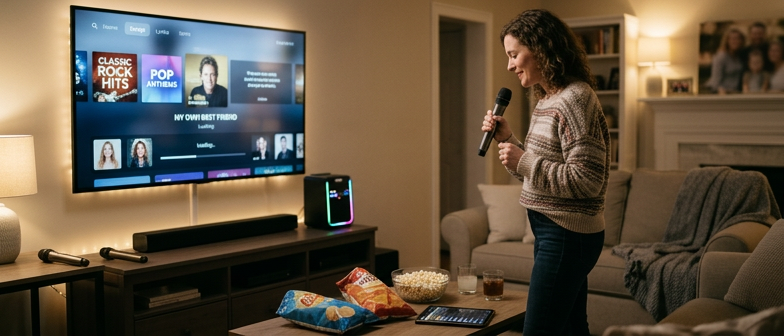
Designing Your Home Karaoke Experience
Thoughtful home karaoke planning can turn a casual sing-along into a small but meaningful cultural experience. Choose songs that reflect the films, games, and music scenes you enjoy, so the playlist feels like a guided tour of your tastes rather than a random queue. A living-room setup does not need to copy a commercial venue; aim for clear sound, comfortable seating, and enough room for people to move and perform without feeling exposed. Frame the night as relaxed appreciation of popular songs, movie themes, and classic theater numbers, so guests treat each performance less like a competition and more like a chance to enjoy shared culture.
Designing the space also means balancing cultural appreciation with comfort. Invite people from different musical backgrounds to suggest songs, while skipping tracks whose lyrics or references might be unsuitable for a general audience. Keep the technology simple and familiar, so even those who mainly follow podcasts or gaming content feel confident taking a turn. When the room sounds balanced, the lighting feels warm, and expectations are clear for turn-taking and supportive listening, your home karaoke night becomes welcoming entertainment that celebrates music and performance without needing professional gear.
Planning Technology, Space, and Sound
Home karaoke planning starts with how music, lyrics, and microphones connect in your room. Whether you use a karaoke machine, console, or streaming app, keep the signal from device to screen and speakers simple and reliable. Place controls where you can reach them, learn the basic menus, and test a few familiar songs so lyrics are easy to read and volumes feel comfortable. When the technology works smoothly, your living room feels more like a relaxed performance space than a pile of confusing cables.
Microphone setup basics strongly affect vocal comfort. Use one or two wired or wireless mics, check batteries early, and set input gain so a normal speaking voice is clear without feedback. Keep microphones away from speaker fronts and remind singers not to cover the grille. If you use echo or reverb, keep effects light so voices stay natural and pleasant. These simple habits make your karaoke song list easier to enjoy and help guests sing confidently.
Room sound considerations matter even in small apartments and houses. Hard surfaces like bare walls, glass, and floors can make tracks sharp or too loud, while rugs, curtains, and cushions soften reflections and keep the mix smooth. Arrange seating so singers face the screen and speakers but avoid placing anyone directly in front of the loudest area. Be mindful of windows, doors, and neighbors when planning late sessions so your home karaoke stays fun without causing noise problems.
| Home Space Scenario | Microphone Setup Basics | Room Sound Considerations | Best Use Case |
|---|---|---|---|
| Open living room | Two wired mics, shared stand | Soft furnishings, moderate volume | Family movie and music nights |
| Cozy bedroom | Single wired or wireless mic | Rug, curtains, low speaker output | Solo practice and warmups |
| Finished basement | Two wireless mics, clear input gain | Extra cushions, careful echo control | Small group performances |
| Multi‑use dining area | One wired mic, simple controls | Tablecloths, movable cushions | Short themed karaoke sessions |
Microphone Setup Basics for Casual Singers
For relaxed home karaoke planning, begin with straightforward microphone setup. Choose simple wired mics if you want easy, stable connections to your karaoke machine, console, or audio interface, and use wireless models if moving around the room matters more than avoiding cables. Connect one microphone at a time, check that your system detects it, and avoid adding extra inputs when your gear is not designed for multi mic use.
After the mic is plugged in, aim for clear, comfortable sound rather than sheer loudness. Start with input gain near the middle, sing at your normal level, then adjust until your voice feels strong but not distorted. Hold the mic a few inches from your mouth, slightly off to the side to limit pops, and keep backing tracks at a volume where you do not need to shout.
Room Sound Considerations in Everyday Homes
In a typical home, karaoke sound is shaped more by everyday objects than advanced acoustics. Sofas, curtains, rugs, and shelves soften reflections that make vocals harsh or echoey. For home karaoke planning, choose the coziest part of the room; soft furnishings help keep the music warm and controlled, so songs feel clear without becoming overwhelming for guests or neighbors.
Room sound is also affected by speaker placement and volume. Aim speakers toward the center of the group instead of at walls or windows, and keep them near ear level rather than high in corners where sound can bounce. Start with moderate volume, then adjust so singers hear the backing track without shouting, keeping the experience balanced, comfortable, and friendly to people nearby.
Curating a Fun and Inclusive Song List
A thoughtful song list is central to home karaoke planning because it sets the mood and keeps guests engaged. Start by considering who will attend and what they enjoy across film soundtracks, game music, theater songs, and familiar radio hits. Aim for a spread of decades and styles so people with different tastes can still find something they recognize. Planning your song list in advance means more time singing and less time scrolling during the party, keeping the night organized but still relaxed.
Inclusive song list preparation also means respecting different vocal ranges and comfort levels. Balance big, dramatic showpieces from musicals or movies with simpler, mid-range pop and classic sing-along tracks that most guests can manage. Add a few slower songs for people who are warming up or feel shy, and mix in upbeat anthems for confident singers who like to belt. Offer solo, duet, and group numbers so guests can decide whether to take the spotlight or share it, turning karaoke into collaborative cultural appreciation rather than a contest.
As you curate, stick to legally available karaoke catalogues or licensed streaming services and avoid any suggestion of unauthorized copying or downloading. Organize your digital or printed list by mood or genre, such as cinematic ballads, game-inspired themes, or stage and screen classics, so guests can quickly find songs that fit their personality. Leave space for on-the-spot requests, but keep a core playlist that supports a smooth, friendly turn-taking system and lets everyone join the musical storytelling at their own pace.
Keeping Voices Comfortable and Turns Fair
A good home karaoke plan treats vocal comfort as part of the fun. Invite guests to warm up with gentle humming or speaking a few lines before tackling big themes or high energy pop songs. Suggest room temperature water, short breaks between performances, and stopping before the voice feels sore. Keeping the microphone at a relaxed distance, avoiding shouting over the track, and choosing song keys that sit in a natural range helps singers enjoy themselves instead of worrying about strain or fatigue.
You can also fold vocal comfort into the social flow so both confident performers and casual listeners feel included. Offer a mix of ballads, familiar soundtrack tunes, and simple choruses so people can move between challenging solos and easy group sing alongs. Make it normal to skip a song, switch to a duet, or change the style if someone is tired, and avoid pressuring anyone to copy a famous singer. Treat each performance as playful interpretation rather than competition so different tastes and skill levels feel welcome.
A simple turn taking system keeps the microphone use fair and predictable. Ask guests to add their names and song choices to a shared list, then rotate in order, giving occasional priority to new arrivals or younger guests who want a chance. If someone wants to repeat a favorite number, place it later so others are not pushed aside. Step in gently if a few strong voices start to dominate, and invite quieter participants to pick a song or join a group piece. When turns stay balanced, everyone remains engaged and the evening feels friendly from first track to last.
Q&A
How can I design a home karaoke night that feels like a small cultural event?
Pick songs from films, games, theater, and popular music you genuinely enjoy, arrange them into loose themed blocks, and set up a cozy performance area with clear sound, soft lighting, and comfortable seating.
What basic microphone setup works best for casual home karaoke?
Use one or two simple wired microphones for stability, connect them directly to your karaoke device, set input levels so vocals are clear but not distorted, and test speaking and singing before guests arrive.
How should I consider room sound when planning karaoke in a living room?
Place speakers away from walls, use rugs, curtains, and sofas to soften echoes, keep volume moderate, and avoid pointing microphones directly at speakers to reduce feedback and harsh reflections.
How do I create a fair and inclusive turn-taking system for singers?
Write a visible queue, let each person choose one song per round, invite duets for nervous guests, and rotate in new singers regularly so no one dominates the microphone.
What are simple vocal comfort tips and a basic karaoke cleanup checklist?
Encourage short warm‑ups, water breaks, and stopping before strain. Afterward, power down gear, coil cables, wipe microphones, return furniture, and store song lists for future nights.