
Hosting friends at home feels easier when you have a simple plan. This guide walks through practical steps for casual gatherings, from guest room essentials and conversation-friendly seating to straightforward table settings, beverage stations, and an easy cleanup workflow.
Setting Goals for a Casual Gathering at Home
Successful home hosting preparation starts with a clear purpose. Before you think about decorations or recipes, decide what kind of casual gathering you want, such as a game night, an afternoon coffee, or a light dinner. Each option shapes guest expectations, including how long people might stay, how much seating they will need, and how formal or informal the evening should feel. Naming the goal also helps you match your energy and schedule to the number of people you can comfortably welcome, so you do not stretch either your space or yourself.
Once your goal is defined, you can align practical details so the evening feels smooth for everyone. Clear casual gathering planning makes it easier to choose a layout that supports conversation instead of crowding and tells guests whether they can wander between rooms or settle in one main area. It also guides simple decisions, like placing snacks on a central table or near a beverage station, and deciding how much cleanup you are willing to handle afterward. When your plans for comfort, layout, and cleanup fit the type of gathering you chose, guests are more likely to relax and you can enjoy hosting at home.
Guest Room Essentials for Overnight Visitors
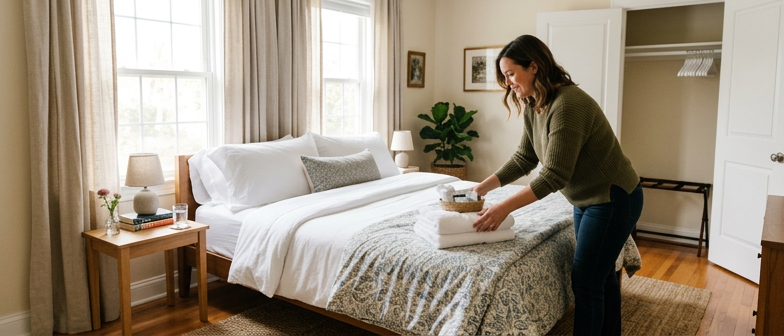
Preparing a simple, comfortable space for overnight guests is a practical part of home hosting preparation. Start with the basics: a supportive mattress, clean bedding, and an extra blanket within easy reach so visitors can adjust their own comfort. Offer two pillow types, such as one firmer and one softer, to suit different sleep preferences. Good lighting matters as much as bedding, so include a bedside lamp that is easy to switch on and off without guests getting out of bed. A small clock, an accessible outlet, and a place to charge phones help visitors settle in without needing to ask where everything is.
Thoughtful storage and small touches keep guest room essentials focused on comfort without becoming elaborate. Clear a section of the closet or add a few hangers so guests have somewhere to put their clothing, and provide a sturdy surface like a chair or bench for luggage. Fresh towels, extra tissues, and a light throw in plain sight signal that the room is ready. A simple card with the home’s Wi‑Fi network name and password, a glass or bottle of water, and a small trash can keep the space practical and low maintenance, helping overnight guests feel at ease without a full remodel or complex setup.
| Preparation Tier | Key Focus | Room Elements | Best For |
|---|---|---|---|
| Basic Comfort | Sleep essentials | Clean bedding, extra blanket, two pillow types | Short overnight stays |
| Standard Guest Ready | Ease and autonomy | Bedside lamp, clock, phone charging spot | Friends or family visits |
| Storage Friendly | Clothing and luggage | Closet space, hangers, chair or bench | Weekend or multi‑night guests |
| Comfort Touches | Everyday convenience | Towels, tissues, light throw, trash can | Guests who value routine |
| Connected and Hydrated | Practical details | Wi‑Fi info card, glass or bottled water | Remote workers or late arrivals |
Simple Ways to Prepare Shared Spaces for Guests
Home hosting preparation should include the shared spaces guests use most so your place feels like a guest-friendly home. In the entryway, clear a spot for shoes and coats and keep walkways free of clutter or loose rugs so visitors know where to put their things and can move around safely. In shared bathrooms, keep fresh towels, spare toilet paper, and simple toiletries visible and easy to reach.
Use a small basket or tray to group bathroom essentials so guests know they are welcome to use them. In the living room, arrange seating so people can see each other easily and have a place to set down drinks, and add a soft throw or two to invite guests to relax. These quick adjustments keep shared areas welcoming and practical for casual gatherings without adding stress to your hosting routine.
Designing a Conversation-Friendly Living Area
When you prepare your home for casual hosting, think of the living room as a conversation zone instead of a place for watching screens. A conversation friendly layout keeps seats close enough for normal talking, but not so close that guests feel crowded. Angle chairs and sofas toward each other instead of lining them against the wall, and push the television off to the side so it does not dominate the room. This kind of seating arrangement supports relaxed gathering and helps guests of different ages feel welcome.
A practical layout also considers how people move through the room during a casual gathering. Create clear walking paths from the entry to the main seats, and from the seating area to the kitchen, beverage station, or bathroom. Avoid placing coffee tables or floor lamps where guests might bump into them, and leave enough space between furniture for two people to pass. In a small room, use lightweight chairs or stools that can be shifted as more guests arrive so you can adapt the space without heavy lifting.
Small details help conversations start easily and flow without interruption. Place side tables or other steady surfaces within reach of each seat so guests can set down drinks or a small plate. Keep lighting soft but bright enough for people to see faces clearly, using more than one lamp instead of relying on a single overhead light. As part of your overall casual gathering planning, walk the room like a guest, notice where you would sit and what you would see, then make small adjustments until the space feels both open and cozy.
Balancing Seating, Traffic Flow, and Quiet Corners
For a conversation friendly layout in a small or medium room, group sofas and chairs so guests can see and hear each other without raising their voices. Keep seats close enough for easy talk, but leave space for a drink, a lamp, and relaxed legs. Treat this seating cluster as the center of your home hosting preparation so cushions, lighting, and side tables work together for guest comfort.
Protect smooth home traffic flow by picturing how people move from the entry to the guest room, beverage station, and bathroom. Keep those paths clear of bags, cords, and extra chairs, and slide tables or benches if needed so two people can pass easily. This lets guests refill a drink or step away without breaking the mood of the gathering.
Simple Dining and Beverage Setup
For a casual gathering at home, keep the dining setup simple so the focus stays on your guests. Start with a clear table and add only what people actually use: a plate, basic cutlery, a drinking glass, and a cloth or paper napkin. Place settings can stay relaxed without extra courses or special utensils. Align them loosely along the table so it looks intentional but not formal, and leave open space around each setting for personal items. This straightforward plan is easy to repeat whenever you are working on home hosting preparation.
Add a small, low centerpiece to make the table feel welcoming without blocking faces or serving dishes. A short vase of greenery or a bowl of fruit keeps the look warm and conversation friendly. Skip strong scents and fragile pieces that might interfere with shared platters. If guests will serve themselves family style, leave gaps between place settings for bowls and trays and keep serving utensils within easy reach. This kind of simple table setting supports relaxed conversation and keeps the meal from feeling formal.
Set up a basic drink area away from the table so guests can refill without disrupting conversation. Use a sideboard, counter, or folding table and stock it with water, one or two other drink options, cups, napkins, and a small towel for quick cleanup. Label drinks or use clear containers so people can tell which options are sweet, unsweetened, or caffeine free. These practical beverage station ideas encourage guests to help themselves, reduce your workload, and create a casual gathering plan you can reuse for future visits.
Q&A
How do I set a clear goal for a casual gathering at home?
Decide the type of event first, such as a game night or light dinner, then match the guest list, timing, and formality to what you can comfortably host in your space.
What are the essential items for a comfortable guest room?
Provide a good mattress, clean sheets, an extra blanket, two pillow options, a bedside lamp, a clock, and easy access to an outlet or phone charger.
How can I arrange my living room to encourage conversation?
Group seats close enough for easy talking, angle chairs and sofas toward each other, and move the television out of the focal point so screens do not dominate.
What is a simple way to set the table for a relaxed meal?
Use a clear table with just the basics: one plate, everyday cutlery, a glass, and a napkin per person, leaving enough space for comfort and movement.
How can I organize a basic beverage station and cleanup workflow?
Set up drinks, cups, and napkins on a separate surface near a trash or recycling bin, and place a visible spot for used dishes to keep cleanup straightforward.